
The "secret" to weight loss that has nothing to do with diet

1/6
The twist that works
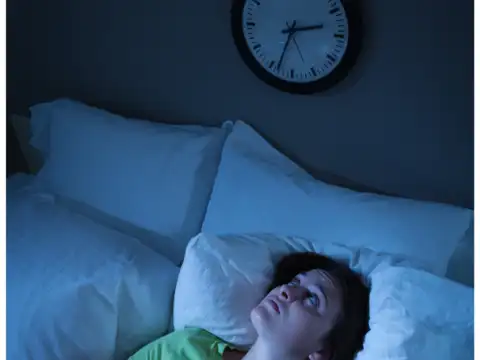
People who improve sleep often find diet changes stick better. Experimental sleep loss boosts daily calories, especially hyperpalatable foods; better sleep steadies appetite and choices. Start with nights, then fine‑tune plates.

2/6
Hunger hormones, explained simply
Short sleep can lower leptin (satiety) and raise ghrelin (hunger), nudging overeating; effects vary by sex and weight but the direction often favors cravings. Translation: sleepy brains chase quick calories.
3/6
Calorie math most miss
A meta‑analysis shows sleep deprivation can add roughly 300–400 extra calories per day—without anyone noticing. That’s a weekly surplus big enough to stall fat loss even with “good” meals.
Amazon Top Deals
POWERED BY

atomberg Studio Smart+ 1200mm BLDC Ceiling Fan with IoT & Remote | BEE 5 star Rated Energy Efficient Ceiling Fan | High Air Delivery with LED Indicators | 3 Year Warranty (Earth Brown)
₹5,882Buy Now36%
OFF

LG 32 L Convection Microwave Oven (MC3286BRUM, Black, 360° Motorised Rotisserie for Bar-be-queing, 301 Auto Cook Menu, Stainless steel cavity, Indian Cuisine, Tandoor Se, Steam Clean & Diet Fry)
₹19,340Buy Now19%
OFF

4/6
Why weight loss maintenance needs sleep
Insufficient sleep predicts poorer 1‑year weight loss maintenance in lifestyle programs—likely via appetite, decision fatigue, and reduced activity. Protect sleep to protect results; it’s relapse insurance.

5/6
What to aim for this week
Aim for a consistent 7–8 hours; anchor wake time, dim screens 60 minutes pre‑bed, cool the room, and push caffeine earlier. Small changes compound—start with the easiest lever to move.

6/6
Put diet after lights‑out
Once sleep is steady, build meals around pulses, vegetables, intact grains, and protein; evening carbs can be moderate if portions are right. Better sleep makes “moderation” doable, not miserable.