
The largest desert in the world was full of swimmers and boats. Will it ever come back?
1/6
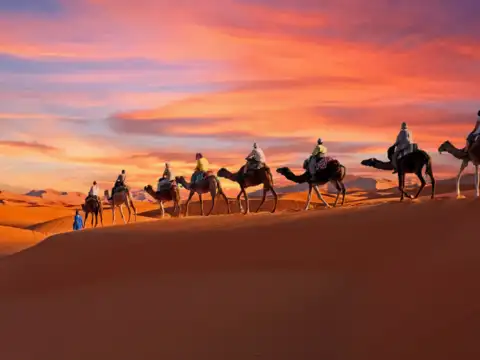
From dunes to docks
The Sahara has flipped between desert and green worlds when northward monsoons strengthen and rains return.
2/6
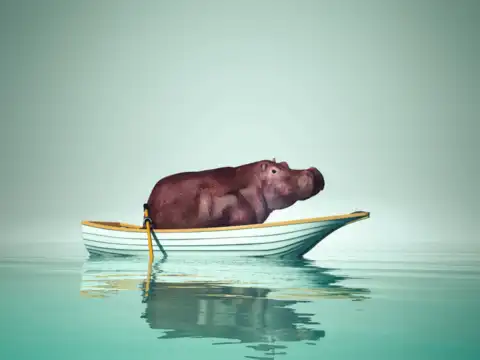
The age of oars and hippos
About 9,000 to 6,000 years ago mega lakes and broad rivers cut across North Africa as people and wildlife thrived.
3/6
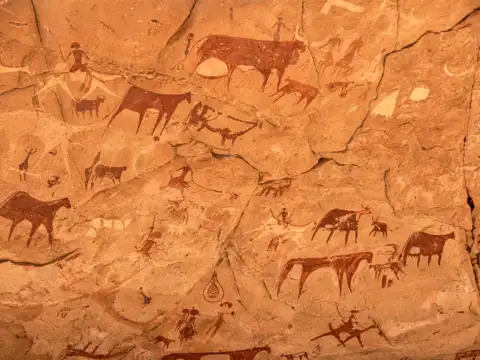
Graffiti from a wetter world
Rock art shows swimmers boats and wildlife while ancient beaches fish bones and mud cores map vanished waters.
Amazon Top Deals
POWERED BY

Crompton Ozone 75 Litres Desert Air Cooler for home | Large & Easy Clean Ice Chamber | 4-Way Air Deflection | High Density Honeycomb Pads | Everlast Pump | Auto Fill| 3 Year Brand Warranty
₹9,798Buy Now43%
OFF

LG 32 L Convection Microwave Oven (MC3286BRUM, Black, 360° Motorised Rotisserie for Bar-be-queing, 301 Auto Cook Menu, Stainless steel cavity, Indian Cuisine, Tandoor Se, Steam Clean & Diet Fry)
₹19,340Buy Now19%
OFF
4/6
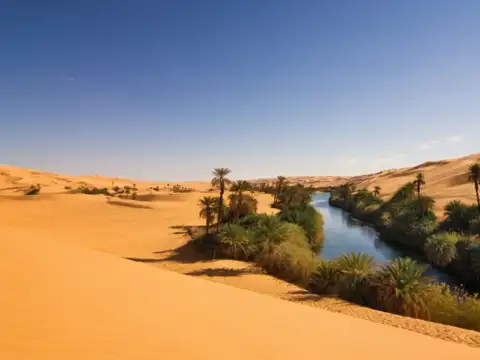
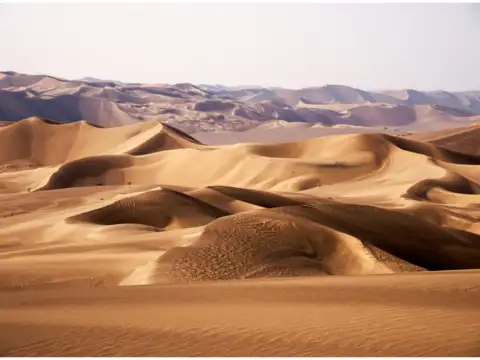
The switch that dried a sea of grass
Earth’s slow wobble weakened the monsoon rains faded lakes shrank plants died and dunes marched in.
5/6
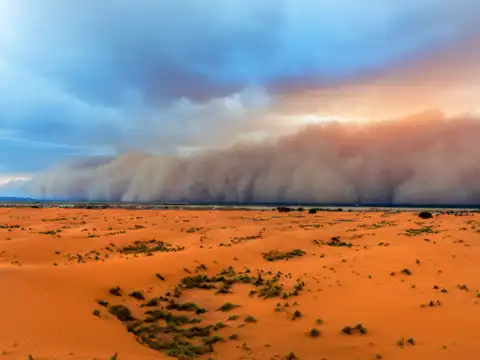
Will water return to the sand
Orbital cycles can invite the monsoon north again over millennia while human warming may shift rain belts unpredictably.
6/6
Why this past warns our future
The Sahara proves climate lines can jump and planning for water crops and cities depends on knowing where they move next.