
The "Blue Zone Diet": Here’s how it can aid in weight management
1/7
The 'Blue Zone'
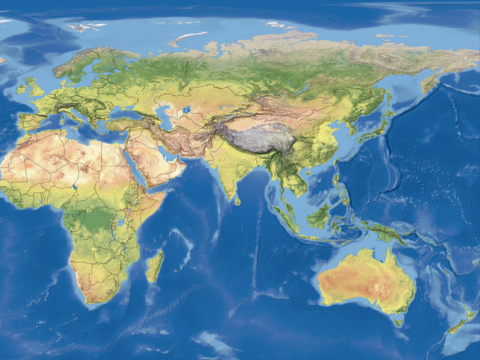
First things first, what's this "Blue Zone" all about? Well, it's not a place filled with Smurfs, but rather, it refers to five remarkable regions across the globe where people live the longest and happiest lives. These magical places are Ikaria in Greece, Okinawa in Japan, the province of Ogliastra in Sardinia, Italy, the community of Seventh-Day Adventists in Loma Linda, California, and the Nicoya Peninsula in Costa Rica. The secret sauce to their longevity? It's their approach to food, rest, and nurturing relationships with family and friends.
2/7
Cracking the Code: The Blue Zone Diet
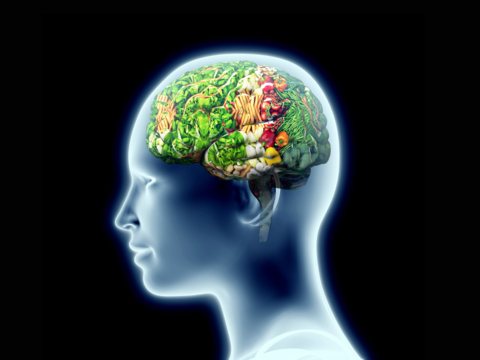
Inspired by these remarkable folks and their healthy dietary habits, National Geographic Fellow and author Dan Buettner introduced the Blue Zone Diet. This diet mainly revolves around the foods consumed by these long-lived individuals, helping them stay active and fit throughout their years. So, what's on the menu? Well, it's loaded with plant-based nutrition, features minimal meat and dairy, and gives a big thumbs-up to pure, unprocessed foods. Here's how the Blue Zone Diet can assist you on your weight loss journey:
3/7
Greens and Beans Galore
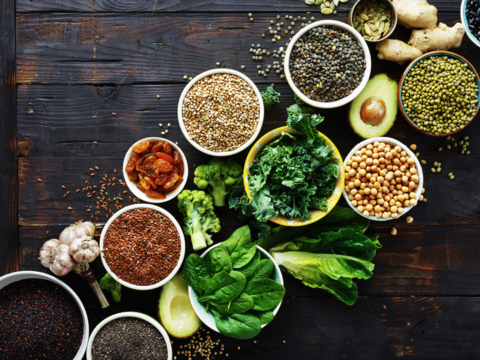
The Blue Zone Diet is all about going green, with approximately 95% of the diet consisting of leafy, green vegetables. These veggies are low in calories but high in fibre, which helps you feel full and curbs those pesky cravings. They're also packed with essential nutrients and antioxidants, which support overall health during your weight loss journey. With a low glycemic index, leafy greens and beans help stabilise blood sugar levels, preventing energy crashes and those midday snack attacks. Incorporating more greens and beans into your diet can be a game-changer for shedding those extra pounds while enjoying a balanced, nutritious diet.
Amazon Top Deals
POWERED BY

Crompton Ozone 75 Litres Desert Air Cooler for home | Large & Easy Clean Ice Chamber | 4-Way Air Deflection | High Density Honeycomb Pads | Everlast Pump | Auto Fill| 3 Year Brand Warranty
₹9,798Buy Now43%
OFF

LG 32 L Convection Microwave Oven (MC3286BRUM, Black, 360° Motorised Rotisserie for Bar-be-queing, 301 Auto Cook Menu, Stainless steel cavity, Indian Cuisine, Tandoor Se, Steam Clean & Diet Fry)
₹19,340Buy Now19%
OFF

4/7
Bye-Bye Processed Bread and Oils
In the Blue Zones, holistic eating is the name of the game. Sourdough and multigrain breads are favoured over the processed white flour we're accustomed to. When it comes to cooking or drizzling over salads, extra virgin olive oil is the preferred choice, as opposed to the soybean or sunflower oil often used in Indian households. Making the switch to extra virgin olive oil can be a helpful companion on your weight loss journey.

5/7
Hail Hydration
Staying hydrated is essential for your well-being, regardless of your chosen diet. If you're on the Blue Zone Diet, prioritise hydration in the form of water, steering clear of sugary or artificially sweetened drinks. Limit your intake of processed juices, soft drinks (even the diet or zero sugar varieties), and artificially sweetened beverages. If you need a little flavour boost, consider lightly sweetened coffee or tea or infuse your water with some fresh fruits like cucumber slices, strawberries, or lemon wedges to add a refreshing twist.

6/7
Meat in Moderation
People in the Blue Zones consume very little meat, with most meat consumption reserved for special occasions. Fish, however, is an exception and is preferred for its nutrient content and lower calorie count compared to other meats. The emphasis is on choosing fish with low mercury levels. Even when indulging in chicken or turkey, it's advisable to keep portions in check as they are higher in calories.

7/7
Embrace a Holistic Lifestyle
In addition to following a well-balanced diet, incorporating healthy living activities is key for effective weight management. Exercise, mindfulness, social interactions, digital detoxes – all these play a vital role in leading a healthy lifestyle. Alongside your dietary choices, make time for regular physical activity, practice mindfulness through activities like yoga and meditation, and nurture meaningful social relationships. Prioritise your well-being and happiness by carving out moments for personal growth and quality family time.