
Stronger bones, sharper memory? How it works and 4 foods to eat
1/6
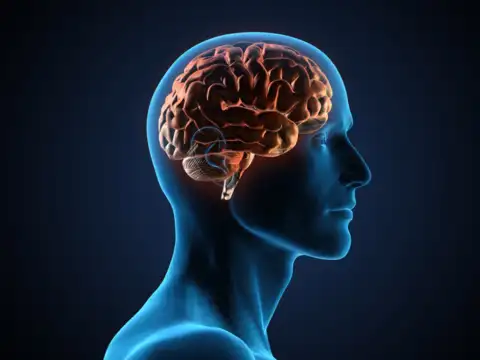
The skeleton–brain connection
Bones act like an endocrine organ. They release osteocalcin, a hormone that travels to the brain and supports learning, memory, and stress control. Stronger, active bones send a clearer signal.
2/6
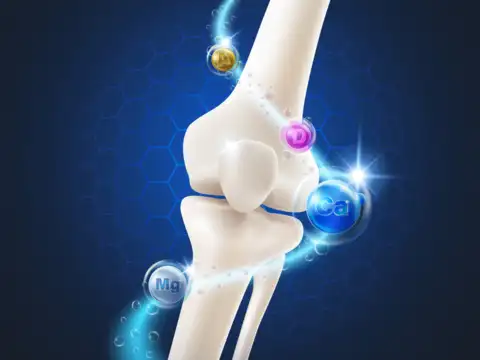
How bones boost memory
Osteocalcin helps neurons fire efficiently and keeps thinking sharp under stress. Impact and resistance training increase bone remodeling, which nudges osteocalcin upward and closes the loop between movement and memory.
3/6
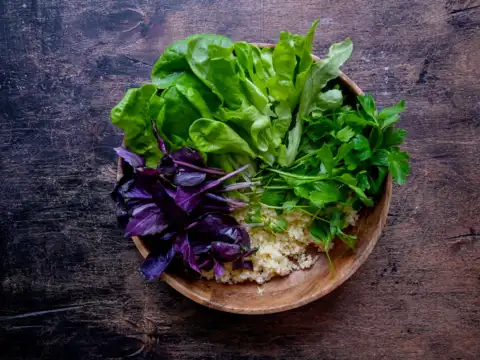
Leafy greens — vitamin K for active bone
Spinach, kale, and collards support bone protein activity linked to osteocalcin. Dress with olive oil for absorption and work greens into bowls, omelets, and soups several times a week.
Amazon Top Deals
POWERED BY

Crompton Ozone 75 Litres Desert Air Cooler for home | Large & Easy Clean Ice Chamber | 4-Way Air Deflection | High Density Honeycomb Pads | Everlast Pump | Auto Fill| 3 Year Brand Warranty
₹9,798Buy Now43%
OFF

LG 32 L Convection Microwave Oven (MC3286BRUM, Black, 360° Motorised Rotisserie for Bar-be-queing, 301 Auto Cook Menu, Stainless steel cavity, Indian Cuisine, Tandoor Se, Steam Clean & Diet Fry)
₹19,340Buy Now19%
OFF
4/6
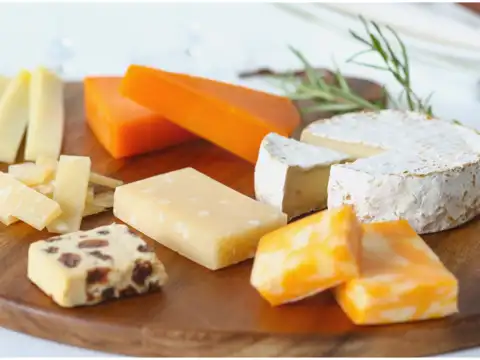
Dairy or fortified alternatives — calcium and vitamin D
Yogurt, kefir, milk, or fortified soy/almond drinks supply building blocks and hormone support for bone remodeling. Regular, moderate servings help sustain osteocalcin’s brain-friendly signal.
5/6
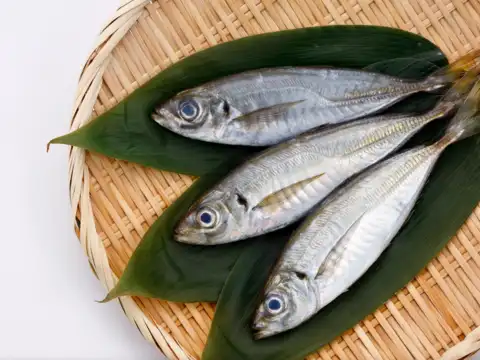
Small fish with bones or calcium‑set tofu
Sardines and canned salmon with bones deliver highly bioavailable calcium, phosphorus, and protein. Calcium‑set tofu is a powerful plant option. Include them 2–3 times weekly.

6/6
Eggs and fermented foods — vitamin D, K2, protein
Egg yolks add vitamin D and protein, while natto and aged cheeses provide K2 for bone metabolism. Simple rotation: eggs at breakfast, live‑culture yogurt or natto, a bit of aged cheese.