
Storing eggs in the carton vs the fridge door: Which method is safer
1/7
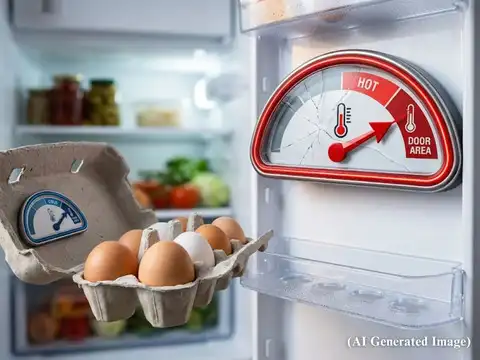
The Fridge Door Is The Warmest Spot In Your Refrigerator
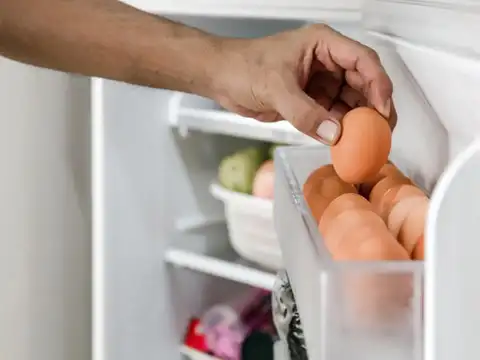
The door swings open multiple times a day, letting in warm air each time. This makes the door significantly warmer than the inner shelves. A peer reviewed review in Comprehensive Reviews in Food Science and Food Safety (Wiley, 2021) found that fridge doors consistently recorded higher temperatures than interior sections, and that frequent door opening raised those temperatures further.
2/7
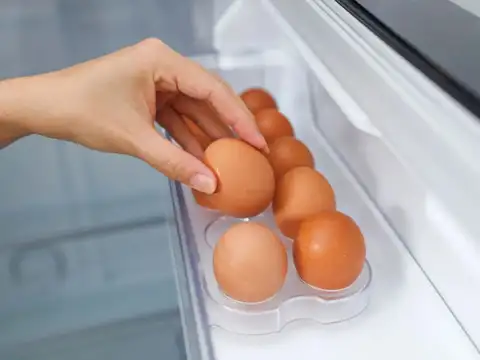
Temperature Swings Can Let Bacteria Into The Egg
This is the real safety concern. When temperatures fluctuate, condensation forms on the eggshell. Eggs are porous, and moisture on the shell creates a pathway for bacteria to get in. A 2021 study in Scientific Reports confirmed that Salmonella Typhimurium load increased significantly in eggs exposed to higher and inconsistent temperatures compared to those stored at stable cold conditions.
3/7
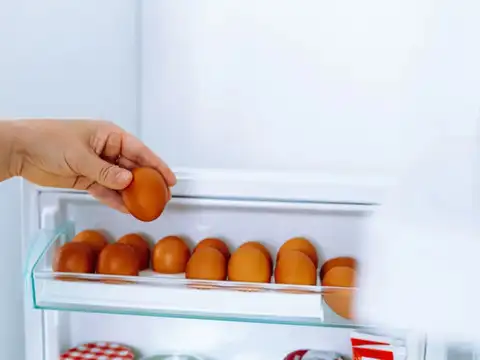
Colder Storage Actively Keeps Salmonella Out
It is not just about slowing spoilage. Consistent cold temperatures actually prevent bacterial penetration into the egg. A study published in Acta Agriculturae Slovenica (2026) found that storage at 4 degrees Celsius prevented Salmonella Enteritidis from replicating on the eggshell and penetrating into the egg contents, while storage at room temperature allowed it to grow freely.
Amazon Top Deals
POWERED BY
4/7
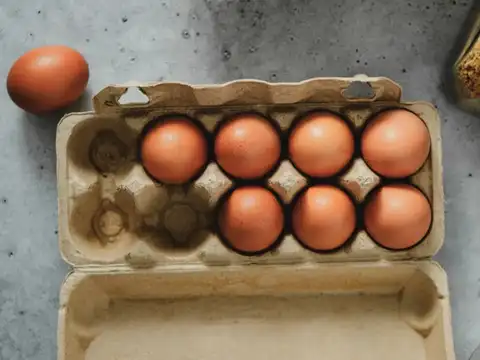
The Carton Protects Against Odour And Moisture Loss
Eggs absorb smells through their porous shells, so storing them uncovered near onions, fish, or leftover curry quietly ruins the flavour. The Wiley food safety review also notes that without a carton, eggs lose moisture and gas faster, affecting texture and taste. The cardboard carton acts as a simple but effective buffer against both.

5/7
The Middle Shelf Toward The Back Is The Ideal Spot
The coldest and most stable zone in any refrigerator is the middle shelf, especially toward the back. The US FDA's food safety guidelines, referenced in ScienceDirect research on Salmonella penetration in eggs, set 4 degrees Celsius as the ceiling for safe egg storage. That temperature is most consistently maintained on interior shelves, not on the door.
6/7
Point The Eggs With The Broad End Up
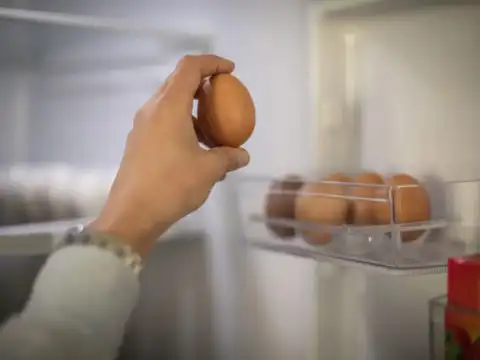
This one is a smaller detail but worth knowing. Keeping eggs with the wider, rounder end facing up helps the yolk stay centered and keeps the air cell intact, which slows internal deterioration. The Comprehensive Reviews in Food Science and Food Safety study notes this as a recommended storage practice alongside carton use and consistent refrigeration.
7/7
Once Refrigerated, Never Leave Eggs Out For Long
In India's warm climate, this matters more than people realise. When a cold egg comes into warm air, condensation forms on the shell instantly. That moisture becomes a bacterial entry point. The USDA Agricultural Research Service recommends refrigerated eggs should not sit outside for more than two hours, and even less in hot and humid conditions.
(Disclaimer: This story is for educational purposes alone and should not be considered as professional medical advice and does not substitute any medical advice.)
(Disclaimer: This story is for educational purposes alone and should not be considered as professional medical advice and does not substitute any medical advice.)