
STOP eating this in breakfast - It’s ruining your day!

1/8
Nutritionist Pooja Makhija reveals the breakfasts you must avoid
In a recent social media post, nutritionist Pooja Makhija revealed that the biggest breakfast mistake we make is choosing sweet, processed foods over wholesome, savory ones. That chai-biscuit or sugary cereal may feel comforting, but it could actually be sabotaging your health.
2/8
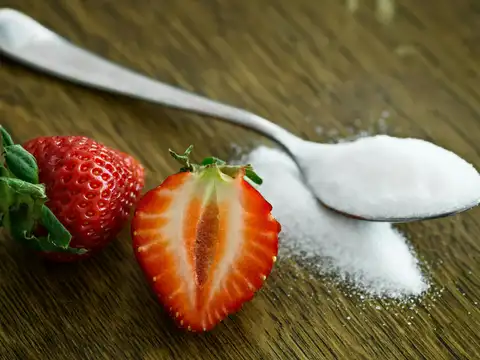
Why sweet isn’t so sweet
Sugar in the morning can hijack your brain’s reward system, making you crave more throughout the day. What feels like a quick fix often ends up trapping you in a cycle of highs and crashes, leaving you hungrier than before.

3/8
Sugar vs. the Brain
Amazon Top Deals
POWERED BY


4/8
The power of savory
On the other hand, starting your day with a savory, protein-rich breakfast keeps you fuller for longer. Think eggs on toast, poha, or idli. These options prevent the constant urge to snack and help you stay energized through the day.
5/8
Crash and burn
A sugary breakfast spikes your blood glucose quickly, but it also drops just as fast. This “sugar crash” is why you feel sluggish, moody, and ready to grab another cup of tea or a sweet bite by mid-morning.

6/8
What research says
Studies reveal that people who ate a protein-based savory breakfast consumed fewer calories at lunch and dinner compared to those who started with croissants or cereal. One smart choice in the morning can set the tone for your whole day.

7/8
What to eat instead
Swap the sugar for protein, fiber, and healthy fats. Dosas, upma, parathas, idlis, eggs, or even a handful of nuts with fruit are all nutrient-dense options that keep your brain sharp and energy steady.

8/8
The bottom line
Nutritionist Pooja Makhija emphasizes that this one breakfast mistake, choosing sugar over savory, can cost you your energy, focus, and long-term metabolic health. Start your mornings right, and your body and brain will thank you for years to come.
- Disclaimer: The information provided in this content is for general awareness only and should not be considered a substitute for professional medical advice, diagnosis, or treatment. Always seek the guidance of a qualified healthcare provider or your own doctor with any questions you may have regarding a medical condition or health concerns. ET bears no responsibility for the accuracy, completeness, or outcomes arising from the use of this information.