
Stop doing these 5 ‘Popular’ exercises- Doctor says they’re ruining your joints!
1/8
Gym lovers beware: These 5 exercises are causing hidden joint damage
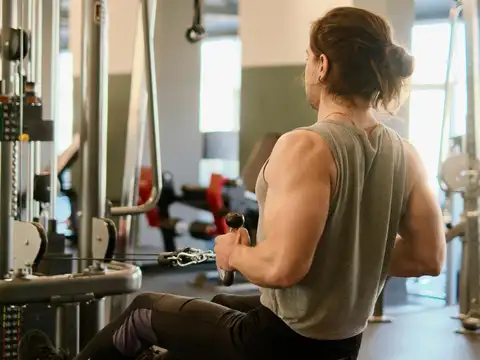
A recent social-media post by orthopaedic surgeon Dr David Abbasi reminds fitness enthusiasts that pushing limits without awareness can put joints at serious risk. Some intense exercises overload the knees, spine, and shoulders, doing more harm than good.

2/8
Why overexertion is dangerous
Going “all out” isn’t always the smart choice. High-impact or extreme-range movements can strain joints, irritate cartilage, and lead to long-term injuries, especially when form is compromised.
3/8
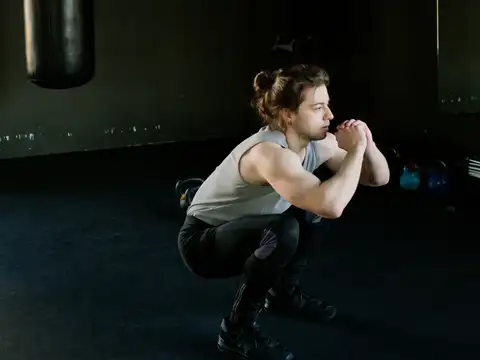
Exercise #1: Deep heavy squats
Very deep “butt-to-grass” squats with heavy weights can overload the knees and compress the lower spine, increasing the risk of wear-and-tear or sudden injury.
Amazon Top Deals
POWERED BY

Crompton Ozone 75 Litres Desert Air Cooler for home | Large & Easy Clean Ice Chamber | 4-Way Air Deflection | High Density Honeycomb Pads | Everlast Pump | Auto Fill| 3 Year Brand Warranty
₹9,798Buy Now43%
OFF

LG 32 L Convection Microwave Oven (MC3286BRUM, Black, 360° Motorised Rotisserie for Bar-be-queing, 301 Auto Cook Menu, Stainless steel cavity, Indian Cuisine, Tandoor Se, Steam Clean & Diet Fry)
₹18,490Buy Now23%
OFF
4/8
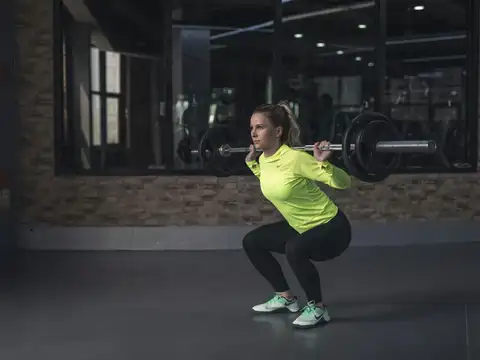
Exercise #2: Behind-the-neck lifts
Behind-the-neck presses or pulldowns place the shoulders in an unnatural angle, putting rotator-cuff tissues under unnecessary strain.
5/8
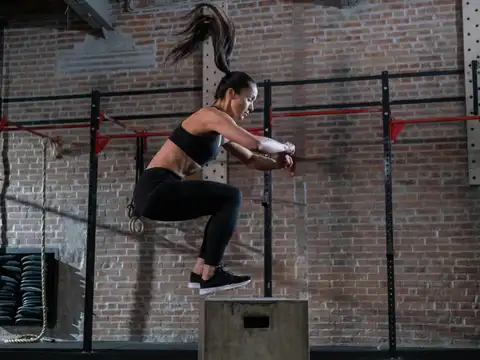
Exercise #3: High-impact jumps
Jumping on hard surfaces might feel powerful, but cartilage absorbs the shock and repeatedly doing so can accelerate joint degeneration.

6/8
Exercise #4: Kipping pull-ups and sloppy olympic lifts
These fast, momentum-driven movements demand perfect technique. Without it, they can cause shoulder impingement and lower-back stress.
7/8
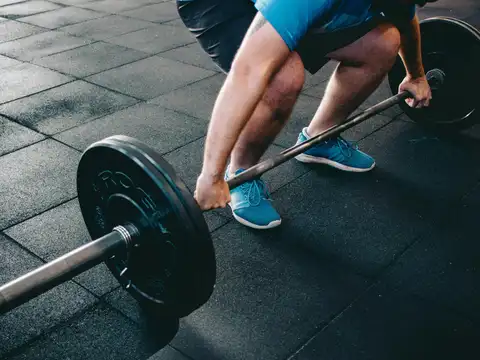
Exercise #5: Heavy straight-leg deadlifts
Keeping the legs too stiff while lifting heavy weight transfers the force directly to the lower spine, increasing the risk of lumbar disc issues.

8/8
Train smart, not just hard
Dr Abbasi encourages choosing safer, joint-friendly alternatives: controlled form, steady progression, and movements within a healthy range of motion. He emphasizes that long-lasting fitness comes from protecting your joints, not punishing them.
- Disclaimer: The information provided in this content is for general awareness only and should not be considered a substitute for professional medical advice, diagnosis, or treatment. Always seek the guidance of a qualified healthcare provider or your own doctor with any questions you may have regarding a medical condition or health concerns. ET bears no responsibility for the accuracy, completeness, or outcomes arising from the use of this information.