
Staying up late shortens lifespan? What does the Harvard say

1/7
The core finding
In a Harvard‑led cohort (~64,000 women, 8 years), self‑identified night owls had a 72% higher diabetes risk unadjusted, and a 19% higher risk after adjusting for lifestyle, indicating biology plus behavior.

2/7
Why risk rises
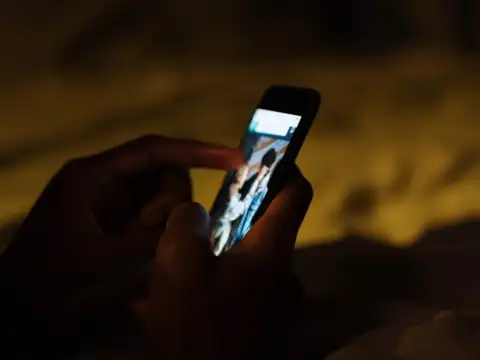
Night‑owl patterns often come with shorter sleep, irregular schedules, later eating, more alcohol/nicotine, and less activity — a cluster that worsens insulin sensitivity and weight regulation over time.
3/7
It’s not “doom”
Harvard notes the evidence isn’t strong enough to say all night owls must shift, but it’s convincing enough to try earlier timing — especially if sleep duration is short or mostly outside dark hours.[
Amazon Top Deals
POWERED BY

4/7
How to shift earlier
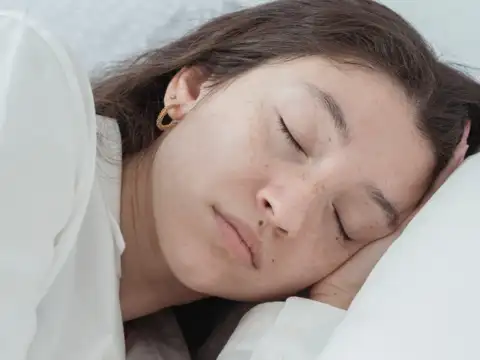
Roll bedtime back by 15–20 minutes every 4–5 days; fix wake time (no later than ~9 a.m.), get bright morning light, dim evenings, and consider short‑term melatonin under guidance.
5/7
Guard the dark window
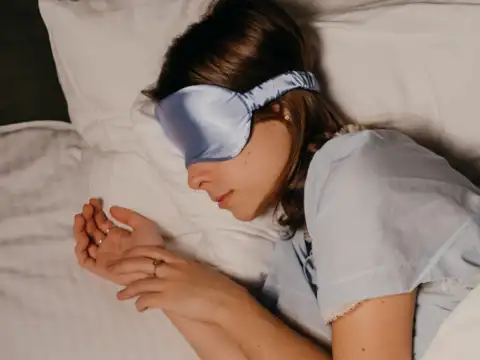
Aim for at least five hours of sleep in darkness within a 7–9‑hour sleep window; keep caffeine earlier, minimize late alcohol/spicy meals, cool the room, and build a wind‑down routine.
6/7
If late nights are unavoidable
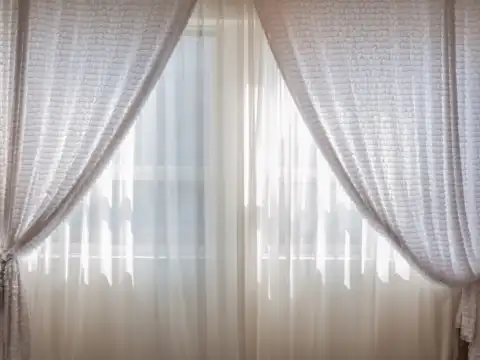
Anchor a consistent sleep block, use blackout curtains, limit late eating, and prioritize morning light/exercise to stabilize the clock; monitor weight, glucose, and mood changes with a clinician.

7/7
What to track this month
Track bedtime/waketime, total sleep, late‑evening screen exposure, and after‑8 p.m. calories; nudge one lever at a time and reassess energy, cravings, and fasting glucose trends.