
Staying away from heart disease and diabetes: Eat right

1/6
The villain: Chronic inflammation
An increasing body of evidence shows that chronic inflammation causes and advances many common diseases, writes senior cardiologist Dr Alok Chopra. Inflammation is now understood to be at the center of a wide range of conditions -- from heart disease and hypertension to obesity and diabetes; from Alzheimer’s and Parkinson’s disease to depression, cancer and arthritis.
2/6
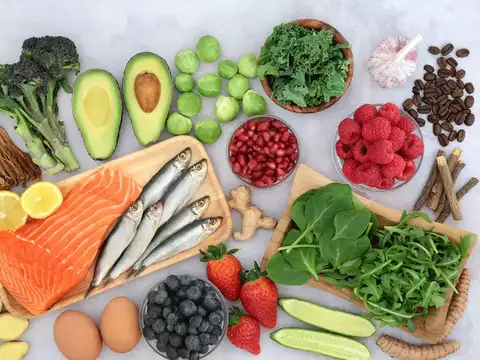
Anti-inflammatory food
One of the most powerful tools to combat inflammation comes not from the pharmacy but from the grocery store, he says. Choose the right anti-inflammatory foods, and you may be able to reduce your risk of illness.
3/6
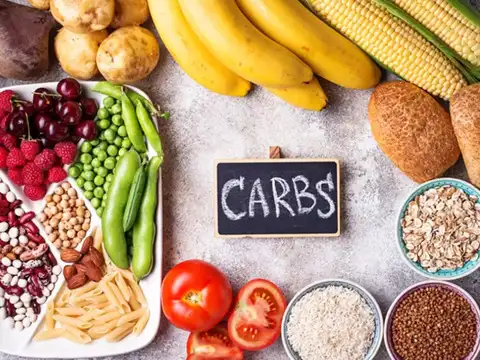
Reducing carbs
Anti-inflammatory diets include lots of fruits and vegetables, whole grains, plant-based proteins (like beans and nuts), fatty fish, and fresh herbs and spices. Eat a diet low in carbohydrates and high in vegetables. Eat only healthy fat, and no trans fats.
Amazon Top Deals
POWERED BY


4/6
Intermittent fasting
Using intermittent fasting a few times per week is an effective way of reducing chronic inflammation. Slowing down chronic inflammation reduces risk of cardio-metabolic disease.

5/6
Personalised nutrition program
A personalised nutrition program is the optimum way to slow aging. In it, a person undergoes specific tests for inflammation, food intolerances and allergies, micronutrient deficiencies to arrive at the right nutrition therapy.

6/6
Nutri-genomics
Personalized nutrition also delves into the genetic mappings and genome sequencing to understand a person’s genetic predisposition to a certain ailment and the targeted nutrition to address it. Nutri-genomics is the study of a person’s genes and its correlation with food.