
Spraying vinegar around the toilet: Why more people are doing it and its benefits
1/7
It Actually Kills Bacteria
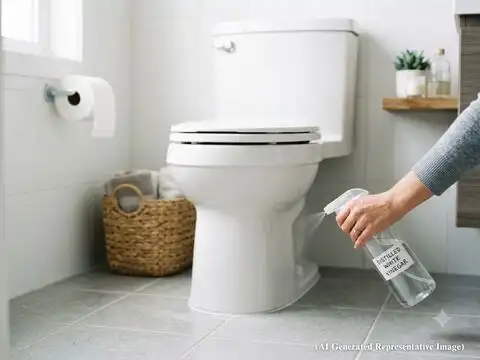
White vinegar contains acetic acid, which has well-documented antimicrobial properties. A 2020 study published in BMC Microbiology found that acetic acid at 5% concentration significantly reduced bacteria including E. coli, Staphylococcus aureus, and Pseudomonas aeruginosa. The toilet rim and base are prime spots for these exact pathogens.
2/7
It Breaks Down Limescale Naturally
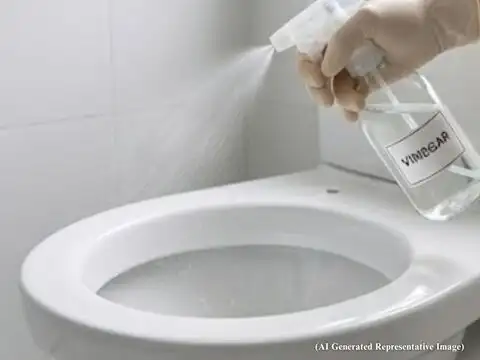
Hard water leaves stubborn mineral deposits around the toilet base and bowl. Acetic acid reacts with calcium carbonate in limescale and dissolves it without abrasive scrubbing. A 2025 study in Wiley's Scientifica journal confirmed acetic acid's effectiveness on hard surfaces as a cleaning agent compared to conventional disinfectants. Spray, wait 20 minutes, wipe clean.
3/7
It Neutralises Odours, Not Just Masks Them
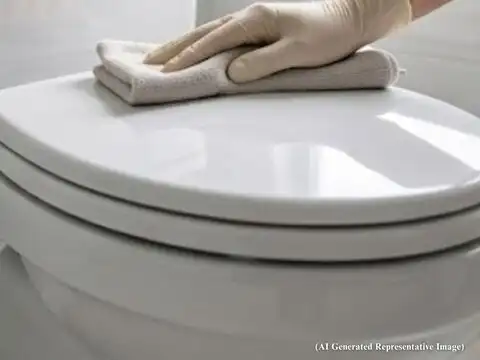
Most toilet sprays use fragrance to cover smells. Vinegar works differently. It neutralises the alkaline compounds that cause bathroom odours at the source. Spray around the toilet base and behind the seat, let it sit briefly, and the smell genuinely goes rather than hiding underneath a layer of artificial freshness for an hour.
Amazon Top Deals
POWERED BY
4/7
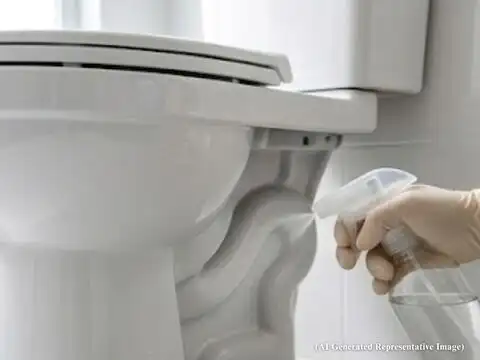
It Works Against Biofilms Too
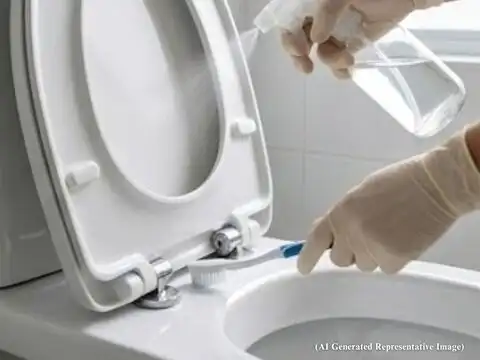
Bacteria around toilets don't just sit there. They form biofilms, layers that are much harder to remove than surface bacteria. Research published in PLOS ONE by the University of Birmingham found that low concentrations of acetic acid effectively prevented biofilm formation and eradicated pre-formed biofilms within three hours of exposure.
5/7
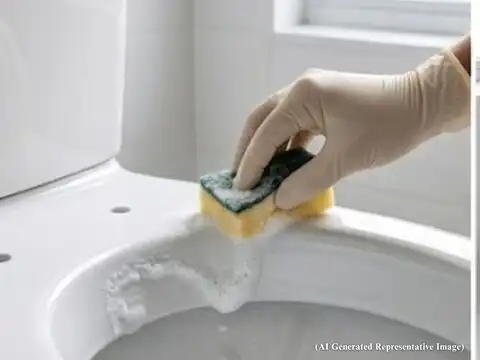
It Has Antifungal Properties
Toilets and bathroom floors are also prone to fungal growth, especially in humid conditions. The same BMC Microbiology study found that acetic acid showed measurable antifungal activity, making it useful beyond just bacterial concerns. Spraying the floor tiles and grout around the toilet periodically can help control fungal buildup in damp bathrooms.
6/7
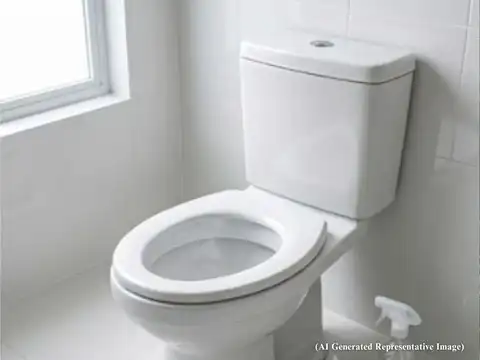
It's Far Cheaper And Less Toxic
Commercial toilet cleaners often contain hydrochloric acid, bleach, or quaternary ammonium compounds, all of which need careful handling. White vinegar costs a fraction of the price, is non-toxic, and breaks down harmlessly in the environment. For routine maintenance, rather than deep disinfection, it does the job with far less risk and no harsh fumes.
7/7
It Can Also Work As A Preventive Routine
Rather than waiting for visible grime, many people now spray vinegar around the toilet base and exterior surfaces a few times a week as a quick upkeep habit. Because acetic acid continues reacting with surface deposits even after it dries slightly, regular light spraying prevents buildup before it becomes the kind of mess that needs serious scrubbing.
READ MORE:
spraying vinegar around toilet |vinegar toilet cleaning benefits |acetic acid antibacterial properties |natural toilet cleaner |vinegar limescale removal |chemical free bathroom cleaning |white vinegar cleaning hacks |vinegar kills bacteria research |toilet hygiene tips |eco friendly bathroom cleaner