
Skipping breakfast linked to colon cancer? 5 ways morning meals may reduce risk

1/6
Why breakfast timing matters
Skipping breakfast is associated with higher GI and colorectal cancer risk, suggesting that when and how the first meal is eaten may influence metabolic and inflammatory pathways. Diet bodies also highlight fiber and whole grains as protective against bowel cancer.

2/6
Make breakfast non‑negotiable (most days)
Prospective cohort findings link habitual breakfast skipping with increased colorectal cancer incidence, implying regular morning intake may be a simple protective behavior within an overall healthy diet pattern. Aim for at least 5–6 days/week to reduce prolonged fasting–binge cycles.
3/6
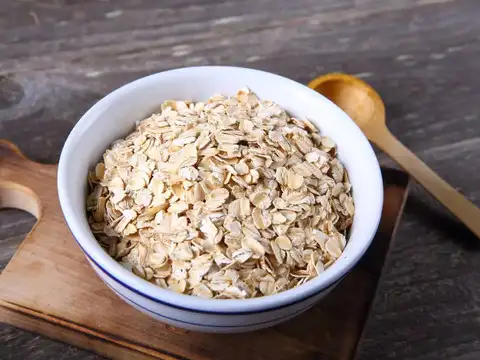
Lead with fiber and whole grains
Meta‑analyses and global cancer prevention reports associate higher dietary fiber—especially cereal fiber and whole grains—with lower colorectal cancer risk; target ≥8–10 g fiber at breakfast via oats, whole‑grain breads, millet, bran, fruit, and seeds.
Amazon Top Deals
POWERED BY

4/6
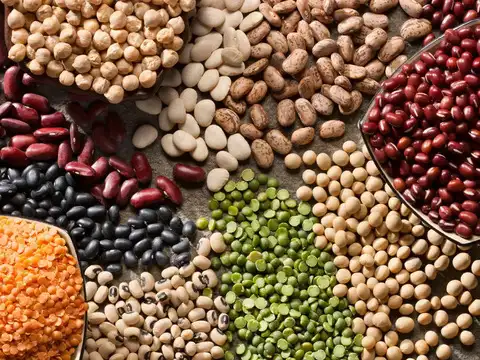
Add polyphenol‑rich plants
Morning fruit, nuts, and legumes contribute fiber and phytochemicals that support microbiota and short‑chain fatty acid production, mechanisms cited by global reviews as protective against colorectal carcinogenesis. Build bowls with berries, citrus, walnuts, and chickpea spreads.

5/6
Keep sugars low, protein steady
Stable post‑prandial glucose and insulin profiles support anti‑inflammatory metabolic tone; combine whole‑grain carbohydrate with 15–25 g protein (curd/yogurt, eggs, tofu, dal) at breakfast to blunt spikes that have been implicated in cancer risk models.

6/6
Eat on a consistent morning window
Circadian literature suggests regular earlier eating aligns clock genes, gut motility, and microbial rhythms; consistent morning timing may complement fiber benefits and reduce chronic low‑grade inflammation linked to colorectal risk.
(Disclaimer: This story is for general informational purposes only and does not constitute medical advice. Please consult a registered dietitian or healthcare provider for personalized guidance.)
(Disclaimer: This story is for general informational purposes only and does not constitute medical advice. Please consult a registered dietitian or healthcare provider for personalized guidance.)