
San Francisco dentist’s 8 bold oral health claims on what causes cavities and bad breath

1/8
Why this matters
A California dentist with 41 years of practice shares eight tips on what truly drives cavities and bad breath and science-backed habits to improve oral health.

2/8
Ultra‑processed snacks and gummies
Crunchy starch snacks and gummy vitamins stick to teeth and feed acid‑producing bacteria, increasing cavity risk; swap with less sticky, low‑sugar options and rinse after treats.

3/8
Mouth breathing is pivotal
He argues mouth breathing—not sugar—is the number one cavity driver due to dry mouth and reduced saliva buffering; address snoring, drooling, or airway issues with dental and myofunctional care.
Amazon Top Deals
POWERED BY

Crompton Ozone 75 Litres Desert Air Cooler for home | Large & Easy Clean Ice Chamber | 4-Way Air Deflection | High Density Honeycomb Pads | Everlast Pump | Auto Fill| 3 Year Brand Warranty
₹9,798Buy Now43%
OFF

atomberg Studio Smart+ 1200mm BLDC Ceiling Fan with IoT & Remote | BEE 5 star Rated Energy Efficient Ceiling Fan | High Air Delivery with LED Indicators | 3 Year Warranty (Earth Brown)
₹5,882Buy Now36%
OFF

LG 32 L Convection Microwave Oven (MC3286BRUM, Black, 360° Motorised Rotisserie for Bar-be-queing, 301 Auto Cook Menu, Stainless steel cavity, Indian Cuisine, Tandoor Se, Steam Clean & Diet Fry)
₹19,340Buy Now19%
OFF
4/8
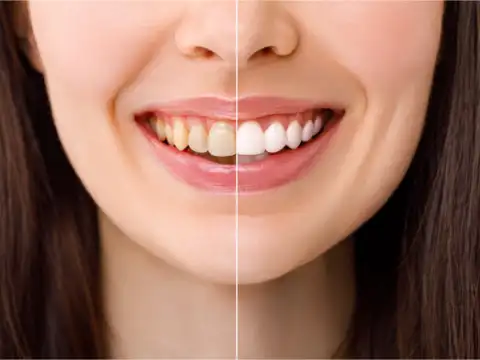
Whitening strip caution
Frequent peroxide strip use may raise sensitivity, recession risk, and caries susceptibility; he prefers dentist‑guided trays with 10% carbamide peroxide (Opalescence) for controlled whitening.
5/8
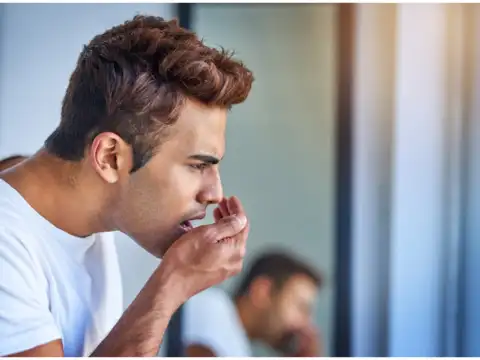
The real reason for bad breath
Halitosis often stems from an imbalanced oral microbiome; target tongue cleaning, interdental care, and hydration instead of masking odour with mints alone.

6/8
Acidic drinks are stealthy
He notes Poppi can be more acidic than Coke Zero, and both harm enamel over time; limit frequency, sip with meals, and chase acids with water to protect teeth.
7/8
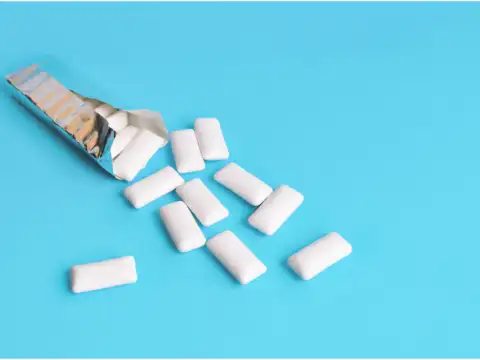
Xylitol gum helps
Chewing xylitol gum is presented as a science‑backed strategy to cut cavity risk by stimulating saliva and discouraging cavity‑causing bacteria; use after meals when brushing isn’t possible.
8/8
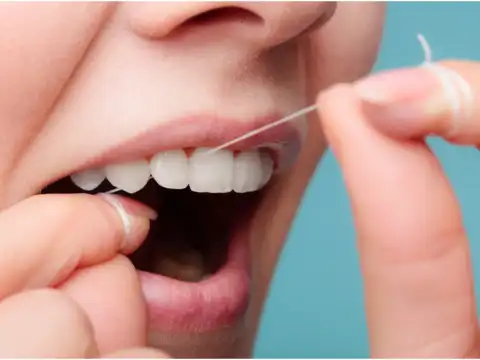
Flossing and whole‑body links
He cites flossing to reduce risks associated with Alzheimer’s, heart disease, and stroke by lowering gum inflammation; interdental cleaning supports both oral and systemic wellness.
(Disclaimer: These points reflect a clinician’s perspective shared on social media; individual needs vary and claims should be discussed with a personal dentist for diagnosis and tailored care. For educational purposes only.)
(Disclaimer: These points reflect a clinician’s perspective shared on social media; individual needs vary and claims should be discussed with a personal dentist for diagnosis and tailored care. For educational purposes only.)