
Salman Khan reveals his struggle with Trigeminal Neuralgia: Symptoms, causes, treatments

1/7
Salman's battle with Trigeminal Neuralgia
Bollywood actor Salman Khan revealed he has been living with Trigeminal Neuralgia (TN), a nerve disorder that causes severe facial pain. On the Two Much show, he said, “The pain was unbearable… I suffered for seven and a half years. Even eating an omelette took me over an hour.”

2/7
What exactly is Trigeminal Neuralgia?
Trigeminal Neuralgia (TN) is a chronic condition that causes intense, stabbing pain in the face. Often called the “suicide disease” due to its severity, TN affects one side of the face and can make daily activities—like chewing, brushing teeth, or even light touch—unbearable.
3/7
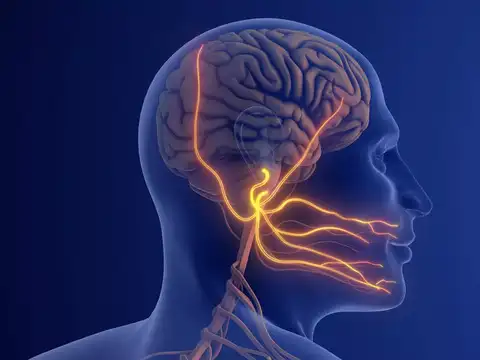
Understanding the Trigeminal nerve
The trigeminal nerve, divided into three branches, carries sensory signals to the forehead, cheek, jaw, and eyes. In TN, irritation or compression of this nerve leads to sharp, electric shock-like pain, often triggered by simple tasks such as eating, talking, or touching the face.
Amazon Top Deals
POWERED BY

Crompton Ozone 75 Litres Desert Air Cooler for home | Large & Easy Clean Ice Chamber | 4-Way Air Deflection | High Density Honeycomb Pads | Everlast Pump | Auto Fill| 3 Year Brand Warranty
₹9,798Buy Now43%
OFF

LG 32 L Convection Microwave Oven (MC3286BRUM, Black, 360° Motorised Rotisserie for Bar-be-queing, 301 Auto Cook Menu, Stainless steel cavity, Indian Cuisine, Tandoor Se, Steam Clean & Diet Fry)
₹19,340Buy Now19%
OFF

4/7
Signs and symptoms to watch
Trigeminal neuralgia causes sudden, shock-like pain on one side of the face that lasts from seconds to minutes. The sensations may feel stabbing, burning, or electric in nature. Attacks often occur multiple times a day but are separated by pain-free intervals. Simple activities like eating, shaving, brushing, or even wind exposure can trigger episodes. Many patients also experience constant anxiety due to the unpredictable nature of these attacks, which can severely affect their quality of life.

5/7
Causes of Trigeminal Neuralgia
The most common cause is compression of the trigeminal nerve by a blood vessel, which damages the protective myelin sheath. Other causes include multiple sclerosis, tumors, nerve injury, or unknown factors (idiopathic TN). This nerve damage results in abnormal signals that trigger extreme pain.

6/7
Current treatment options
Medications: Anti-seizure drugs like carbamazepine and oxcarbazepine help control nerve activity, though side effects may occur.
Other Drugs: Muscle relaxants and nerve pain medications may be used alone or in combination.
Surgical Options: If medicines fail, procedures such as microvascular decompression, radiofrequency therapy, balloon compression, glycerol injections, or Gamma Knife radiosurgery are considered.
Other Drugs: Muscle relaxants and nerve pain medications may be used alone or in combination.
Surgical Options: If medicines fail, procedures such as microvascular decompression, radiofrequency therapy, balloon compression, glycerol injections, or Gamma Knife radiosurgery are considered.

7/7
Living with Trigeminal Neuralgia
Managing Trigeminal Neuralgia is challenging due to its severity and unpredictability. Patients are advised to:
- Avoid known triggers like cold air and facial contact
- Seek emotional and psychological support to cope with anxiety and depression
- Stay physically active and maintain regular check-ups for treatment adjustments
- Join support groups or counseling for better coping strategies