
Rosa Parks Day: Refused to give her seat for whites; prompting an arrest, followed by 13 months boycott. How this single act transformed America
1/4
One seat that moved a nation
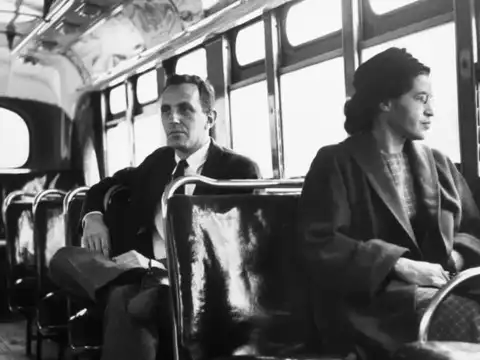
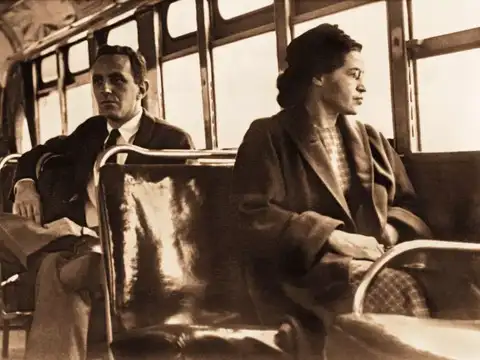
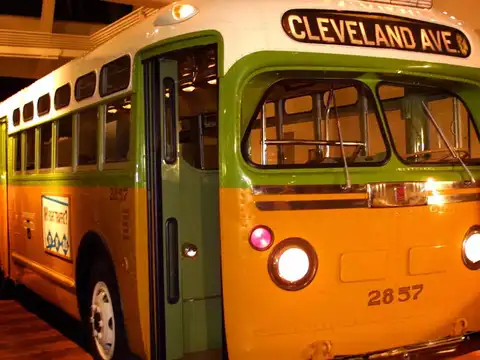
Rosa Parks refused to give up her bus seat to a white passenger in Montgomery, Alabama, on December 1, 1955, and her arrest sparked a year‑long boycott that reshaped U.S. civil rights. She lost her job, faced threats, and later moved to Detroit with her husband. She kept working for justice for decades and died in 2005.
2/4
2
3/4
The immediate aftermath and 381 days of protest
Montgomery’s Black community organized a one‑day boycott the day of her trial, then extended it. The Montgomery Improvement Association coordinated carpools and walking. The boycott lasted 381 days and severely hit bus revenues. It elevated the leadership of Martin Luther King Junior and showed disciplined, mass nonviolence at scale.
Amazon Top Deals
POWERED BY

Crompton Ozone 75 Litres Desert Air Cooler for home | Large & Easy Clean Ice Chamber | 4-Way Air Deflection | High Density Honeycomb Pads | Everlast Pump | Auto Fill| 3 Year Brand Warranty
₹9,999Buy Now42%
OFF

LG 32 L Convection Microwave Oven (MC3286BRUM, Black, 360° Motorised Rotisserie for Bar-be-queing, 301 Auto Cook Menu, Stainless steel cavity, Indian Cuisine, Tandoor Se, Steam Clean & Diet Fry)
₹19,090Buy Now20%
OFF
4/4
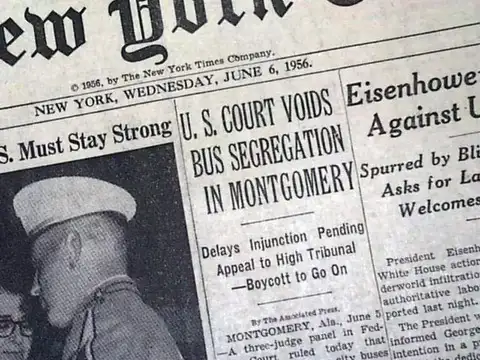
The court fight: Browder v. Gayle ruling
In Browder v. Gayle, a federal court ruled bus segregation unconstitutional. The United States Supreme Court upheld it, and buses were integrated in December 1956. The boycott ignited national campaigns against segregation, inspired legal challenges, and helped build a durable civil rights infrastructure. Rosa Parks Day is observed in several states on December 1 or on her birthday February 4 to honor her legacy and teach civic courage.