
Regular bread causes sugar spikes, sourdough slows it? How it works and what to pick
1/6
Why sourdough hits different
This is not trendy fluff. Long, slow fermentation with wild cultures rewires the bread. The same flour behaves differently in the body after a true sourdough rise.

2/6
What the microbes do
Wild yeasts and lactic acid bacteria chew through sugars and reshape starches. They spin out organic acids that slow digestion and make the “sugar rush” less dramatic.

3/6
The starch switch
Fermentation builds more resistant starch and alters the crumb. That means fewer carbs hit the bloodstream at once. The result is a flatter glucose curve and steadier energy.
Amazon Top Deals
POWERED BY

4/6
The acid advantage
Lactic and acetic acids from sourdough can delay stomach emptying and nudge enzymes to work slower. The after effect can even soften the spike at the next meal.

5/6
Not all sourdough is equal
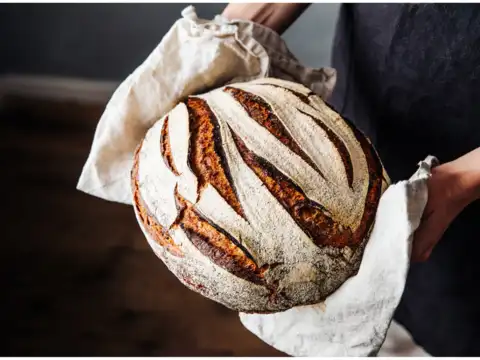
Real sourdough takes time. Short cuts and “sourdough flavored” breads do not deliver the same effect. Look for long-fermented, simple-ingredient loaves with a tangy crumb.
6/6
How to use it
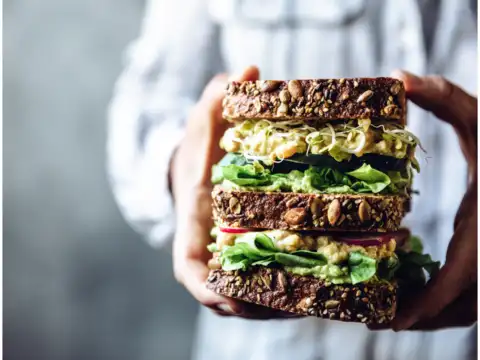
Swap regular toast for true sourdough, pair it with protein, fat, and fiber, and eat it earlier in the day. Expect smoother energy, fewer crashes, and happier meals.