
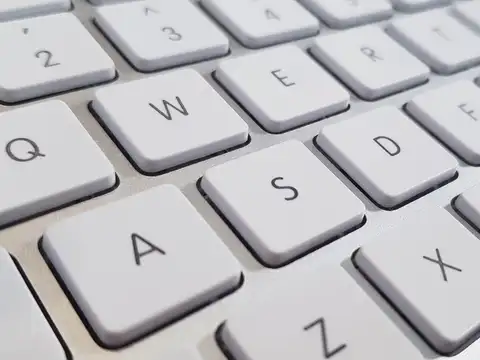
QWERTY: the keyboard that was designed to slow you down
1/8
Every Letter Has a Backstory
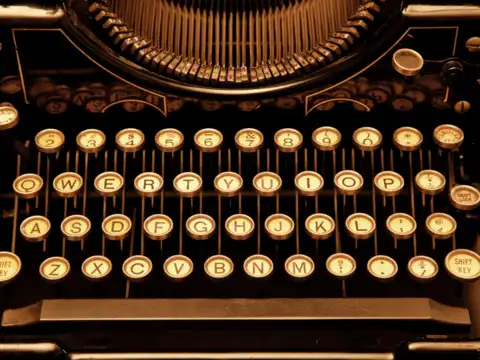
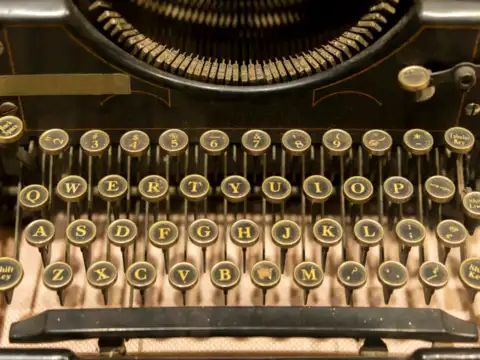
That Q-W-E-R-T-Y combo at the top left? It wasn’t random. “Typewriter” can be spelled using just the top row—a cheeky marketing trick for typewriter demos. So next time you write an email, know you’re using a layout built to avoid chaos.
2/8
The Typewriter’s Tangled Past
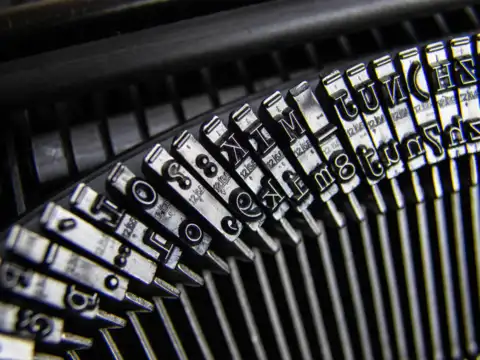
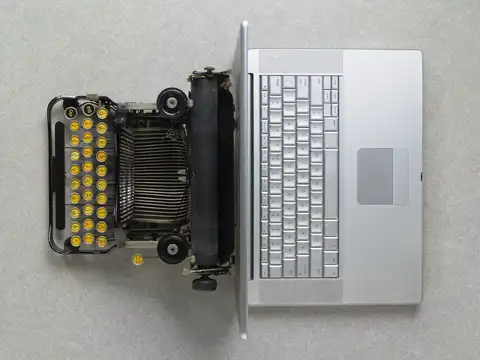
In the 1860s, typing wasn’t digital—it was mechanical. Metal arms, called typebars, struck ink ribbons to print letters. But when people typed too fast, the bars jammed. That clack-clack-clang? A mechanical mess. So engineers decided: if you can’t fix the speed, slow down the typist.
3/8
Meet Mr. QWERTY Himself
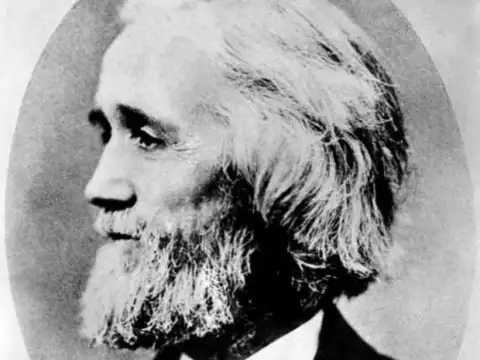
Christopher Latham Sholes wasn’t trying to reinvent language—he just wanted a smoother typing machine. A newspaper editor by trade, he developed the QWERTY layout in 1873 to space out common letter pairings and reduce jams. His real genius? Getting Remington to mass-produce it.
Amazon Top Deals
POWERED BY
4/8
It Was Never Meant to Be Fast
QWERTY placed frequently paired letters (like “TH” and “HE”) far apart—not to confuse you, but to stop those typewriter bars from crashing into each other. It was design by dysfunction: a layout that literally forced you to slow your roll.
5/8
Muscle Memory Took Over
Even when typewriters stopped jamming, people didn’t want to unlearn QWERTY. Schools taught it, businesses adopted it, and our fingers became fluent in its rhythm. By the time computers came around, QWERTY wasn’t the best option—it was just the one everyone knew.
6/8
Better Layouts Were Ignored
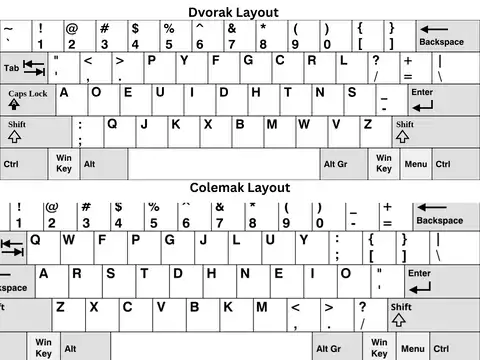
Enter Dvorak and Colemak—keyboard layouts designed to actually boost typing speed and reduce finger strain. They were ergonomic, efficient… and almost completely ignored. Why? Because no one wants to relearn how to send emails, especially if they already type 80 wpm.
7/8
QWERTY Is Basically Unkillable
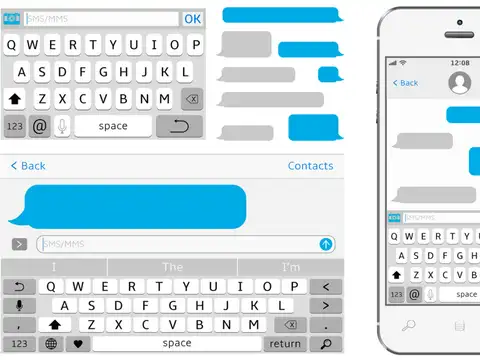
Billions of phones, laptops, ATMs, and smart TVs use QWERTY. At this point, it’s part of digital DNA. Changing it would require retraining the entire planet—and that’s not happening anytime soon (unless AI learns to type for us).
8/8
The Power of Sticking with “Good Enough”
QWERTY isn’t perfect, but it worked when it had to—and that made it unstoppable. It’s the ultimate example of “if it ain’t broke, don’t fix it”… even if it kinda was broken to begin with.