
Placing a metal spoon in window: Why more people are doing it and its benefits
1/7
What Is The Trick, Exactly?
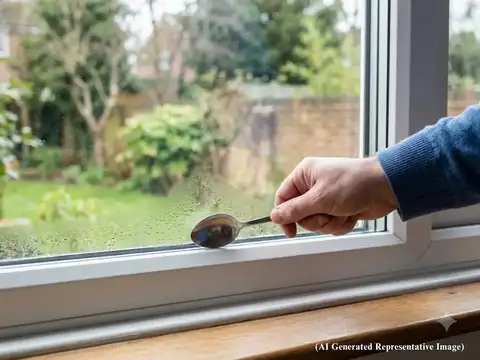
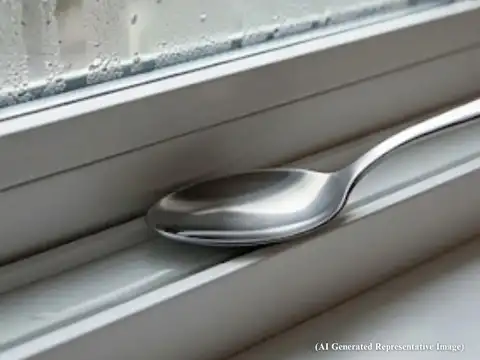
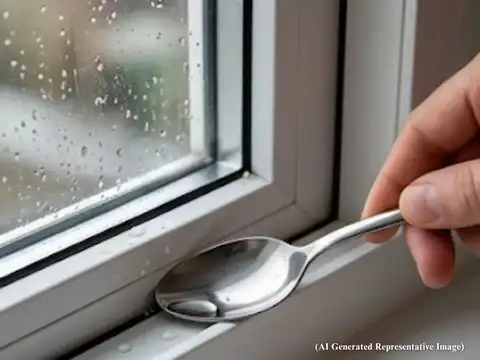
Place a stainless steel spoon on your window frame with the handle facing into the room and the curved bowl extending slightly outward past the glass. That's all. No products, no cost, no tools. The idea is that the spoon intercepts moisture before it settles on your window glass or wooden frame where it causes damage.
2/7
It's Based On Real Physics, Not Social Media Hype
Metal conducts heat more efficiently than glass, so the spoon cools down faster than the window surface when exposed to humid indoor air. When warm, moist air touches the colder spoon, moisture condenses on the metal first, forming droplets that fall outside rather than running down the glass and pooling on the sill.
3/7
Window Condensation Is More Than Just An Annoyance
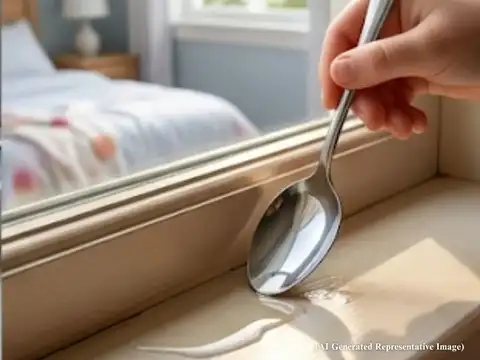
That foggy, wet glass every morning is actually a warning sign. Studies in the Journal of Building Engineering confirm that indoor condensation on surfaces directly raises the risk of mold growth, which is tied to poor ventilation and high indoor humidity. What looks like a minor inconvenience can quietly damage walls, lift paint, and rot wooden window frames over time.
Amazon Top Deals
POWERED BY
4/7
Mold From Moisture Has Serious Health Consequences
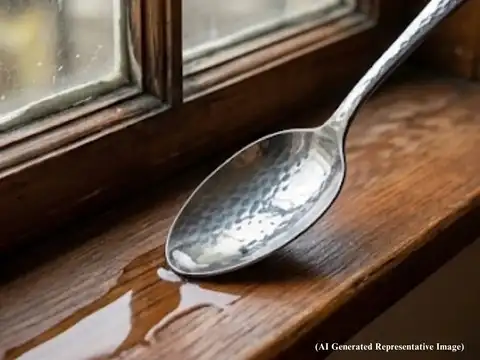
This is where it goes beyond aesthetics. A comprehensive review published in NCBI found that indoor dampness and mold are consistently associated with increased risk of asthma, wheeze, cough, respiratory infections, and allergic rhinitis in both adults and children. Keeping windows dry is not just about the home looking nice, it is about the air you breathe every day.
5/7
The Spoon Works Best In Cold Or Humid Weather
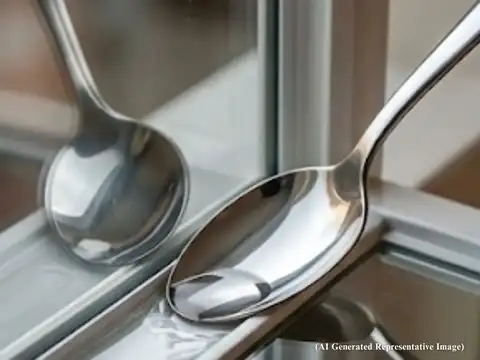
The trick is most effective on cold nights when small amounts of condensation form near window frames. In those conditions, the spoon can redirect moisture away from the sill and reduce minor water buildup, helping protect paint and wood around the window. In very warm or dry climates, you may not notice much difference at all.
6/7
It Does Not Replace Proper Ventilation
The spoon diverts moisture at one spot but does not lower the humidity in the room itself. Mold can still grow wherever the spoon is not placed. Think of it as an early warning tool. If droplets form on it quickly, your home likely needs better airflow, a dehumidifier, or a check for leaks, not just a spoon on every window.
7/7
Stainless Steel Works Better Than Other Metals
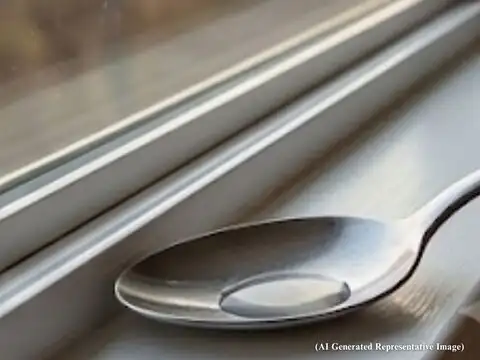
Not all spoons are equal here. Stainless steel is the preferred choice because it has good thermal conductivity and does not rust or leave marks on your window frame when exposed to repeated moisture. Avoid silver-plated or painted spoons since coatings reduce the metal's ability to conduct temperature changes quickly, which is the whole point of the trick.