
Probiotics vs prebiotics: Doctors explain which is best for your gut health
1/7
Why your gut health is suddenly everyone’s business
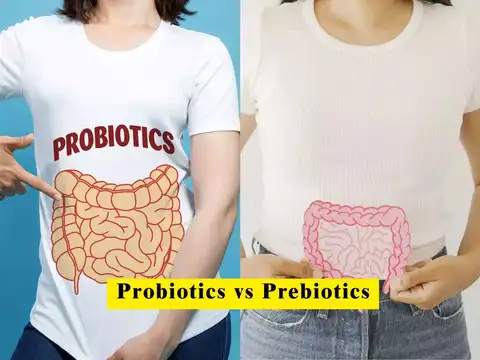
Gut health is no longer a niche topic. Doctors now link a healthy gut to digestion, immunity, mood, and even heart health. Probiotics and prebiotics are often mentioned together, yet they work differently. Understanding that difference can help you make calmer, smarter food choices.

2/7
What are probiotics and how do they work
Probiotics are live beneficial bacteria found in foods like curd, yogurt, kefir, and fermented vegetables. They add helpful microbes to your gut. According to The Lancet, specific probiotic strains can support digestion and reduce antibiotic related diarrhea.
3/7
What are prebiotics and why do they matter
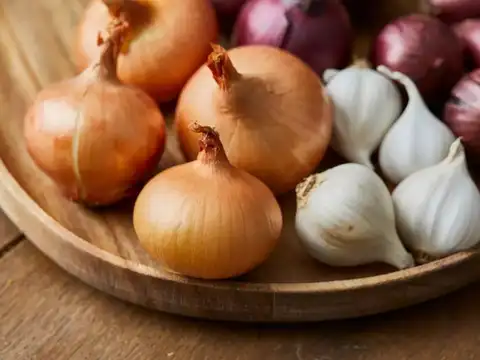
Prebiotics are types of dietary fiber that feed the good bacteria already living in your gut. They are found in foods like onions, garlic, bananas, oats, and chicory root. The British Medical Journal notes that prebiotics help bacteria produce compounds that protect gut lining health.
Amazon Top Deals
POWERED BY

4/7
Probiotics vs prebiotics which is better for digestion
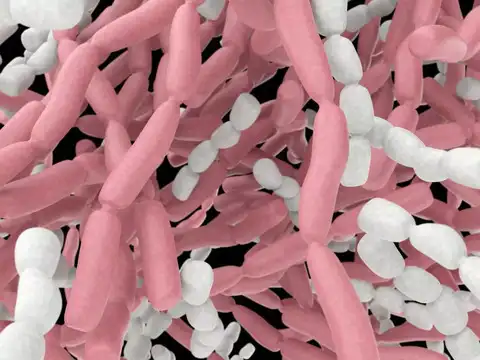
Experts say neither works alone. Probiotics introduce helpful bacteria, while prebiotics help them survive and thrive. Without prebiotics, probiotics may not last long. Without probiotics, prebiotics have fewer beneficial bacteria to nourish. Balance is the quiet winner here. People with recent infections, antibiotic use, or digestive upsets may benefit from probiotics.
5/7
Do probiotics improve immunity more than prebiotics
Probiotics can strengthen immune responses by improving gut barrier function. Prebiotics support immunity indirectly by increasing short chain fatty acids that reduce inflammation. Studies in Nature Reviews Gastroenterology show both play complementary roles rather than competing ones. Those aiming for long term gut strength should focus on prebiotic rich foods
6/7
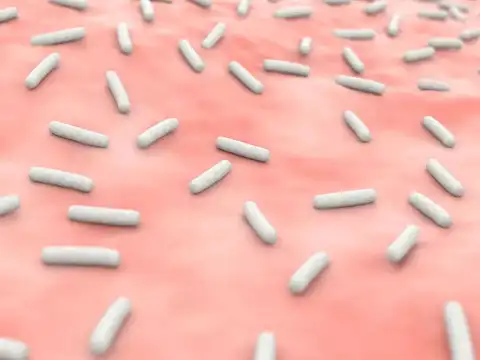
Are probiotic supplements better than food sources
Supplements can help in specific cases like antibiotic recovery. However, doctors in India often prefer food first. Fermented foods provide diverse bacteria along with nutrients. Research in Gut journal suggests food based probiotics may be gentler and more sustainable for daily gut care.
7/7
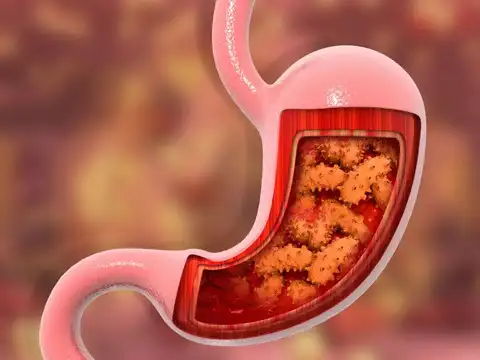
Can prebiotics cause bloating or discomfort
Yes, especially when added suddenly. Prebiotics ferment in the gut, which can cause gas initially. Experts recommend slow increases and adequate water intake. This discomfort often fades as the gut adapts, a sign of microbes adjusting rather than harm. Eat fermented foods regularly and include fiber rich fruits, vegetables, and whole grains.Probiotics and prebiotics are not rivals. They are collaborators. When eaten together, they create a resilient gut ecosystem. Consistent dietary habits matter more than chasing one miracle product.
(Disclaimer: This story is purely for educational purposes only. It does not substitute for professional medical advice nor should it be considered as professional medical advice.)
(Disclaimer: This story is purely for educational purposes only. It does not substitute for professional medical advice nor should it be considered as professional medical advice.)