
Prediabetes: the silent stage before diabetes. What are the signs and how to reverse it naturally
1/7
The silent stage before diabetes strikes
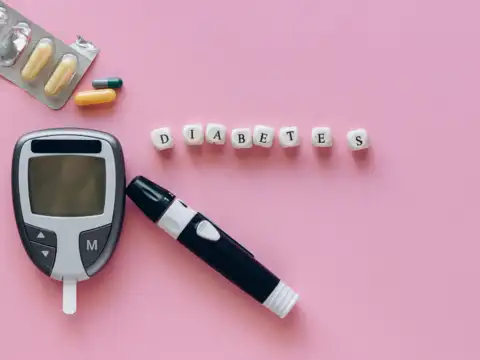
Prediabetes often develops with no obvious symptoms. You might feel fine, but inside, your body is struggling to use insulin properly. Over time, sugar builds up in your blood instead of being used by your cells. This damages blood vessels and organs—slowly and silently. The CDC says that over 80% of people with prediabetes aren’t aware of it. That’s why early screening and awareness are key.

2/7
Who’s most at risk for prediabetes?
You’re at higher risk if you’re over 35, overweight, have a family history of diabetes, or live a mostly sedentary life. High blood pressure, high cholesterol, or PCOS (polycystic ovary syndrome) also increase your chances. Certain ethnic groups—including South Asians—are more genetically prone to insulin resistance. But data suggests that men with lower body mass index (BMI) are more likely to develop this because of how fat is distributed in the body.

3/7
Signs your body might be warning you
Most people don’t notice anything. But some subtle signs could be your body whispering for help—like feeling more tired after meals, frequent thirst, needing to urinate more often, blurred vision, or tingling in your hands and feet. These are signs that sugar isn’t entering your cells efficiently—and that insulin resistance is setting in.
Amazon Top Deals
POWERED BY


4/7
What causes prediabetes in the first place?
It often starts with too much sugar and starch in your diet, not enough fibre, and little physical activity. This makes your cells less responsive to insulin, which forces your pancreas to pump out more. Over time, the system wears down. Excess belly fat, chronic stress, and poor sleep also contribute by raising cortisol levels, which further disrupts your body’s ability to manage sugar.

5/7
Can prediabetes be reversed?
Yes—and that’s the good news. Prediabetes doesn’t have to turn into diabetes. Studies show that losing just 5–7% of body weight, walking 30 minutes a day, eating more fibre and fewer refined carbs, and sleeping better can bring blood sugar back to normal levels. Lifestyle changes work better than medication in most early cases. And the earlier you act, the easier it is to reverse.
6/7
Why waiting can quietly damage your body
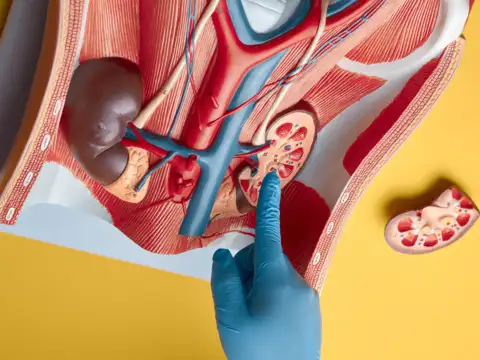
Even if it doesn’t become diabetes right away, prediabetes can still harm your body. High sugar levels slowly damage nerves, kidneys, blood vessels, and your heart. It can raise your risk for strokes, vision loss, and even Alzheimer’s. That’s why the World Health Organization stresses: treat prediabetes as a red flag—not a grey zone.
7/7
What’s really happening inside your body during prediabetes
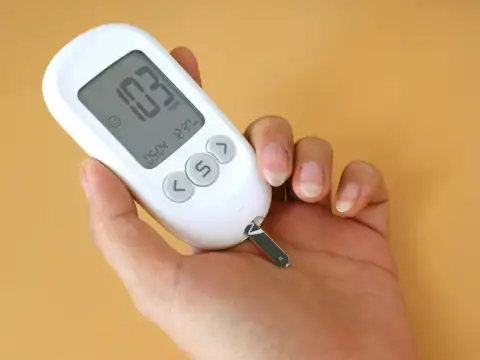
Here’s the science made simple. Normally, insulin opens up your cells like a key, letting sugar in for energy. But with insulin resistance, your cells stop “listening.” The sugar stays in your bloodstream. Your pancreas senses the problem and pumps out more insulin, trying to compensate. Over time, this constant pressure wears out the system. But here’s the hopeful part—if caught early, your cells can relearn to respond, especially when supported with real food, regular activity, and rest.