
Prediabetes and diabetes: 10 fruits proven to avoid blood sugar spikes
1/7
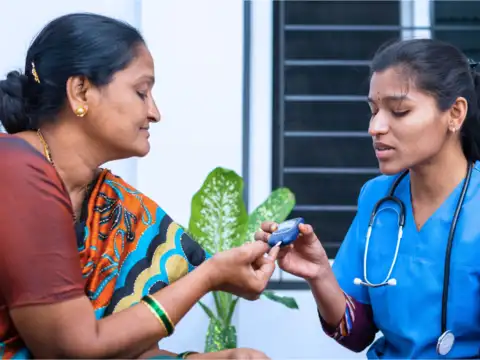
Rising blood sugar is silently gripping India
Prediabetes and Type 2 Diabetes are increasing rapidly, according to Indian Council of Medical Research, over 100 million Indians now live with diabetes, and nearly 136 million are prediabetic. Experts advise that small daily food choices, like fruits with low GI can influence who crosses from prediabetes into full-blown diabetes.
2/7
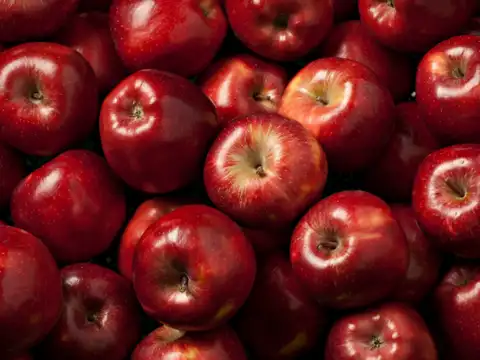
Apple with skin helps curb sugar spikes
Apples are rich in soluble fibre (pectin) and have low to moderate glycemic index (GI). Eating them whole with the skin slows digestion and reduces post-meal sugar peaks. WebMD concurs that apples are among fruits that do not cause a spike in blood sugar.
3/7
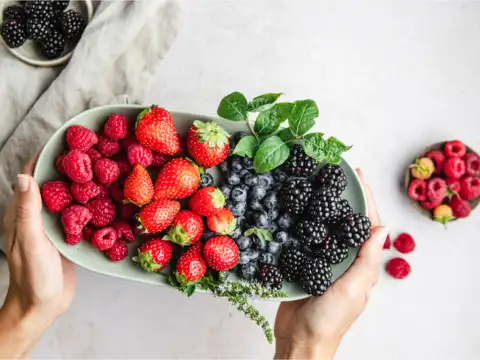
Berries (strawberries, blueberries, raspberries) bring sweetness minus the spike
These fruits are high in fibre, antioxidants, and have among the lowest sugar loads. Medical studies (eg from Diabetes UK & ADA) report that berries can lower glycemic responses when portioned well.
Amazon Top Deals
POWERED BY

Crompton Ozone 75 Litres Desert Air Cooler for home | Large & Easy Clean Ice Chamber | 4-Way Air Deflection | High Density Honeycomb Pads | Everlast Pump | Auto Fill| 3 Year Brand Warranty
₹9,798Buy Now43%
OFF

LG 32 L Convection Microwave Oven (MC3286BRUM, Black, 360° Motorised Rotisserie for Bar-be-queing, 301 Auto Cook Menu, Stainless steel cavity, Indian Cuisine, Tandoor Se, Steam Clean & Diet Fry)
₹18,780Buy Now22%
OFF
4/7
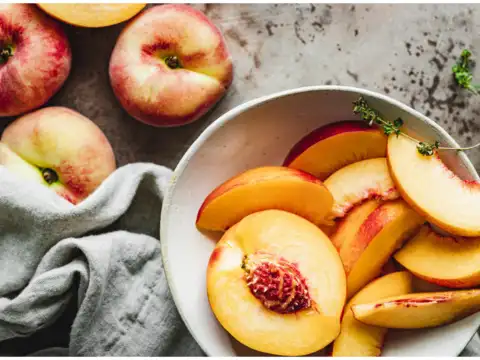
Pears and peaches: moderate sugar, high benefit
Pears eaten with skin add extra fibre; peaches provide vitamins A & C. Both are safer choices when eaten whole, avoiding canned or syrup-preserved forms. Research shows such fruits raise blood sugar more slowly.
5/7
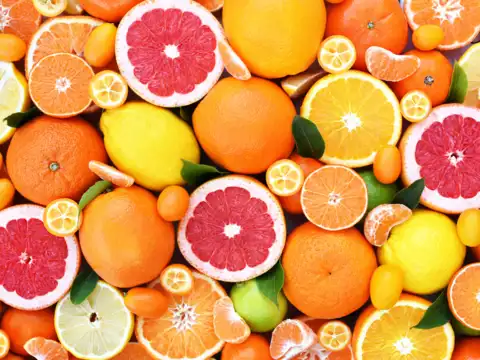
Citrus family: Oranges, grapefruit keep it gentle
Whole oranges or grapefruit have low to moderate GI and are rich in fibre and vitamin C. The whole fruit’s structure slows absorption. Avoid juice, which lacks fibre and spikes sugar faster. Supported by WebMD & Indian dietary-guidance articles.
6/7
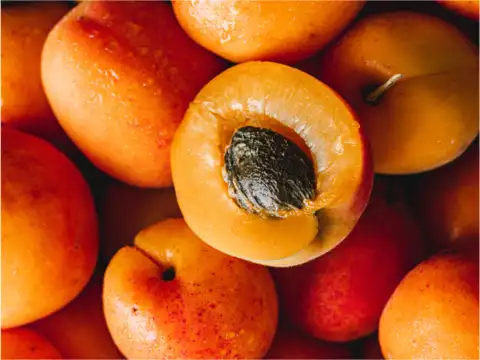
Apricots, cherries, plums: fruit treats with control
These stone fruits and cherries are small, nutrient-dense, and when fresh, provide sweetness with minimal GI impact. Several diabetes-friendly guides recommend them, especially when avoided in dried or syrup-added forms.
7/7
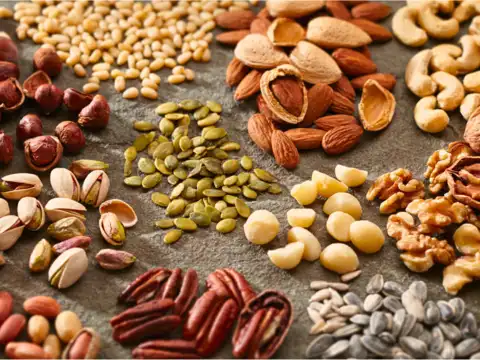
Expert tip: Pair fruit with protein or healthy fat
Nutritionists and endocrinologists suggest combining fruit with nuts, seeds, or yoghurt. This slows sugar absorption and smooths out glycemic load. For example, apple with almond butter or berries with Greek yoghurt work well.
(Disclaimer: This content is for educational purposes only and should not replace professional medical advice. )
(Disclaimer: This content is for educational purposes only and should not replace professional medical advice. )