
Plastic containers are silently harming your hormones and fertility — here’s how
1/8
How it slips into your food (and your body)
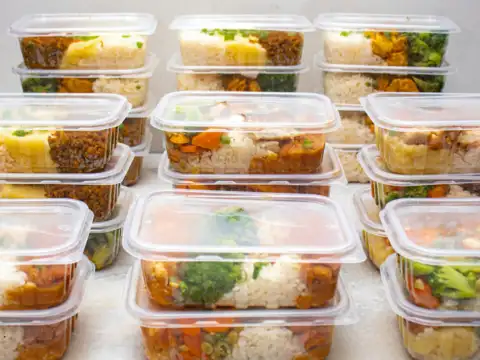
Microwaving or pouring hot food into plastic? That’s all it takes. Chemicals leach out, enter your food, and confuse your hormones by mimicking oestrogen—impacting mood, fertility, metabolism, even cell growth.
2/8
BPA—the sneaky chemical inside
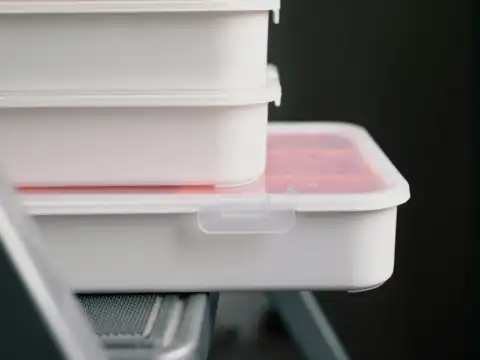
BPA (Bisphenol A) is added to harden plastic. Once inside, it acts like oestrogen—disrupting natural hormone signals and affecting puberty, sperm quality, egg health, and even increasing risks for hormone-related cancers.
3/8
‘BPA-free’ might still be risky
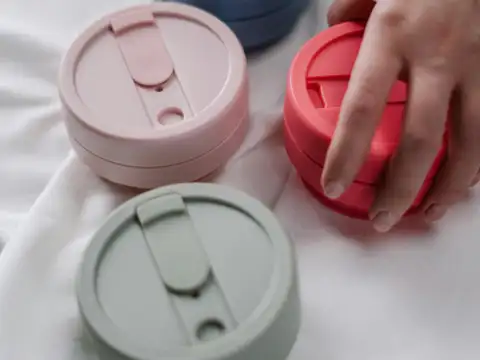
Many BPA-free containers use BPS or BPF instead—similar chemicals with similar hormone-disrupting effects. Studies say they can be just as harmful, sometimes worse. “BPA-free” doesn’t always mean hormone-safe.
Amazon Top Deals
POWERED BY


4/8
Men—here’s what it does to your sperm
Fake oestrogens like BPA lower testosterone, damage sperm quality, and interfere with sperm production signals. This can reduce fertility, affect DNA, and even impact children’s health later.

5/8
Women—how your cycle is affected
Plastics mess with your menstrual cycle by confusing hormone pathways. They’re linked to irregular periods, poor egg development, PCOS, thyroid imbalance, and sometimes silent fertility issues.

6/8
It’s not just fertility—hormones go off balance
Hormones regulate mood, weight, sleep, and energy. BPA and phthalates disrupt these signals, leading to fatigue, thyroid slowdowns, insulin resistance, or unexplained weight gain. You might not connect it to plastic—but it adds up.

7/8
Your gut and brain might be affected too
Plastics can alter gut bacteria, triggering digestion issues, inflammation, and weaker immunity. This gut-brain disruption may cause brain fog, anxiety, or low mood—all from what you store your food in.

8/8
What to use instead
Use steel bottles, glass containers, and don’t microwave plastic. Avoid plastic codes 3 & 7—these often contain hormone disruptors. Codes 1, 2, 4 & 5 are safer for food use.