
Planning a wildlife trip? These 6 Indian national parks need special permits
1/6
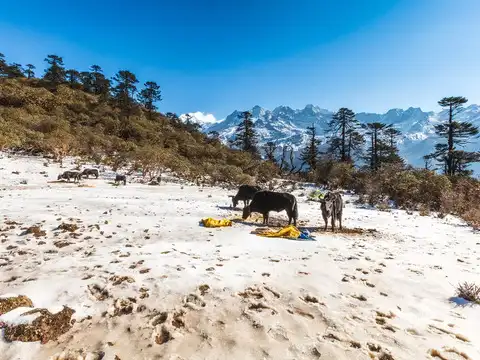
Kanchenjunga National Park, Sikkim
Certain national parks in India are highly protected due to their ecological significance, sensitive biodiversity, or proximity to international borders. Unlike typical safari destinations, these parks require special permits for entry, and some are entirely off-limits to regular tourism. Here are six such national parks and the reasons behind their restricted access.
Kanchenjunga National Park, Sikkim: A UNESCO World Heritage Site, Kanchenjunga National Park boasts glaciers, alpine meadows, and Mount Kanchenjunga, the world’s third-highest peak. Due to its proximity to the India-China-Nepal border, the park is a restricted area. Indian citizens need an Inner Line Permit (ILP), while foreign visitors must secure a Restricted Area Permit (RAP), both issued by the Sikkim Tourism Department.
Kanchenjunga National Park, Sikkim: A UNESCO World Heritage Site, Kanchenjunga National Park boasts glaciers, alpine meadows, and Mount Kanchenjunga, the world’s third-highest peak. Due to its proximity to the India-China-Nepal border, the park is a restricted area. Indian citizens need an Inner Line Permit (ILP), while foreign visitors must secure a Restricted Area Permit (RAP), both issued by the Sikkim Tourism Department.

2/6
Great Nicobar Biosphere Reserve, Andaman & Nicobar Islands
Comprising Campbell Bay and Galathea National Parks, this reserve is one of India’s most untouched ecosystems. It harbors endemic species like the Nicobar megapode and saltwater crocodile. Given its strategic location, military presence, and the indigenous Shompen tribe, access is highly restricted. Visitors must obtain a Restricted Area Permit (RAP) from the Andaman and Nicobar Administration, with additional security clearance required for foreign nationals.
3/6
Namdapha National Park, Arunachal Pradesh
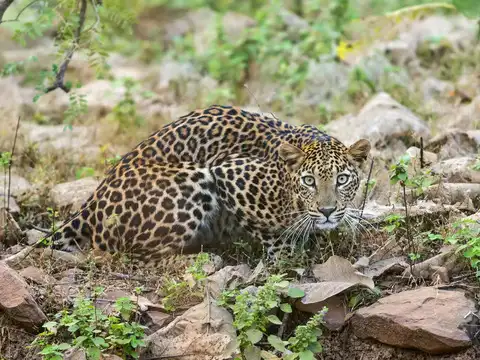
Located in India’s easternmost region, Namdapha National Park is a biodiversity hotspot with tropical and subtropical forests. It is home to rare species like the clouded leopard, red panda, and four big cats—tiger, leopard, snow leopard, and clouded leopard. Due to its location near the India-Myanmar border, entry is strictly regulated. Indian citizens need an Inner Line Permit (ILP), while foreign tourists require a Restricted Area Permit (RAP).
Amazon Top Deals
POWERED BY

4/6
Dibang Wildlife Sanctuary, Arunachal Pradesh
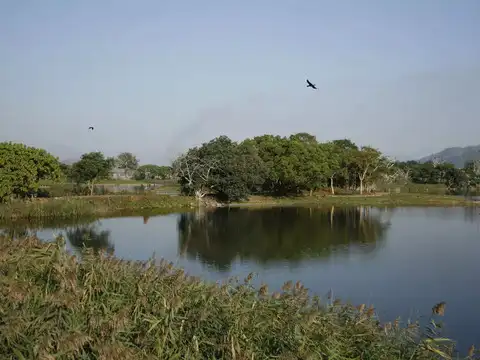
Situated in the remote Mishmi Hills, Dibang Wildlife Sanctuary is known for its elusive wildlife, including the Mishmi takin, red panda, and snow leopard. Because of its location near the India-China border, access is highly controlled. Indian visitors require an Inner Line Permit, issued by the Government of Arunachal Pradesh.
5/6
Ntangki National Park, Nagaland
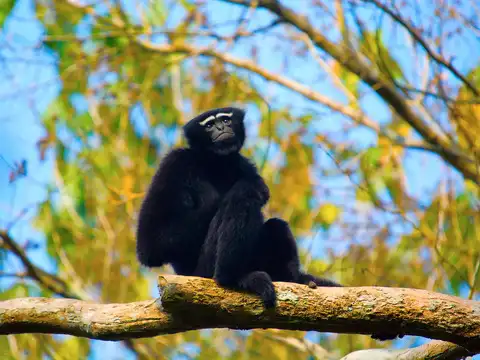
Ntangki National Park is not a typical tourist destination. Home to unique wildlife like hoolock gibbons, golden langurs, and flying squirrels, entry is strictly regulated to protect its pristine forests. Visitors need special permission from the Forest Department or the Chief Wildlife Warden of Dimapur, as the park does not operate with standard entry fees.
6/6
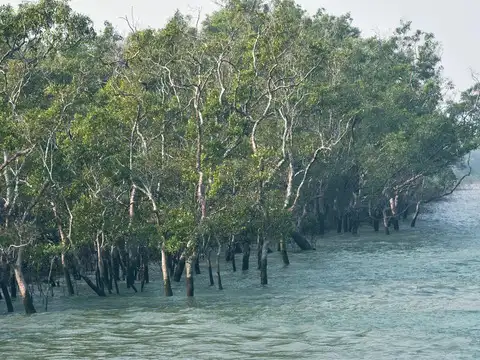
Sundarbans National Park, West Bengal
The Sundarbans, the world’s largest mangrove forest and a UNESCO World Heritage Site, is famous for its Royal Bengal Tiger population and vast network of tidal waterways. While some areas allow entry via permitted boat safaris, the park’s core zone remains strictly off-limits to visitors to protect its fragile ecosystem.