
Placing phone face down while working: Why more people are doing it and its benefits
1/7
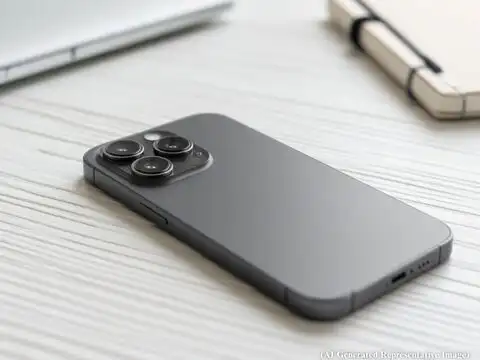
Your Brain Keeps Tracking The Phone Even When You Ignore It
Even a silent, untouched phone on your desk quietly drains mental bandwidth. A landmark study published in the Journal of the Association for Consumer Research found that the mere presence of a smartphone reduces available cognitive capacity, even when people believe they are fully focused. Flipping it over removes the visual pull entirely.
2/7
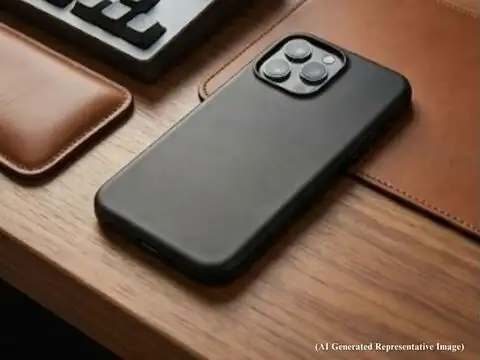
Notifications Disrupt You Even When You Don't Check Them
You don't have to look at your phone for it to break your concentration. Research published in the Journal of Experimental Psychology found that receiving a phone notification, whether a sound or a buzz, significantly disrupted performance on attention-demanding tasks, even when participants never touched their device.
3/7
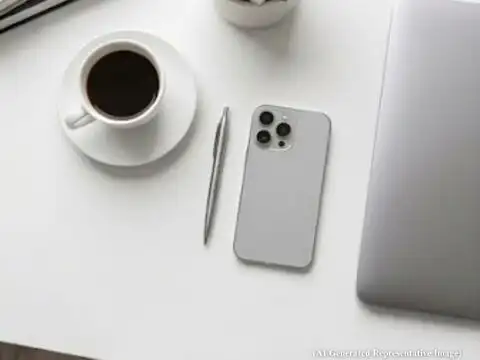
Face Down Is A Signal To Your Own Brain
Flipping a phone over is more than a physical act. It is a deliberate intention made visible. Psychologists describe this as a commitment device, a cue that helps the brain shift into focus mode. Research from the University of Texas at Austin confirms that reducing phone salience meaningfully improves cognitive performance during tasks.
Amazon Top Deals
POWERED BY

Crompton Ozone 75 Litres Desert Air Cooler for home | Large & Easy Clean Ice Chamber | 4-Way Air Deflection | High Density Honeycomb Pads | Everlast Pump | Auto Fill| 3 Year Brand Warranty
₹9,798Buy Now43%
OFF

atomberg Studio Smart+ 1200mm BLDC Ceiling Fan with IoT & Remote | BEE 5 star Rated Energy Efficient Ceiling Fan | High Air Delivery with LED Indicators | 3 Year Warranty (Earth Brown)
₹5,882Buy Now36%
OFF

LG 32 L Convection Microwave Oven (MC3286BRUM, Black, 360° Motorised Rotisserie for Bar-be-queing, 301 Auto Cook Menu, Stainless steel cavity, Indian Cuisine, Tandoor Se, Steam Clean & Diet Fry)
₹19,090Buy Now20%
OFF
4/7
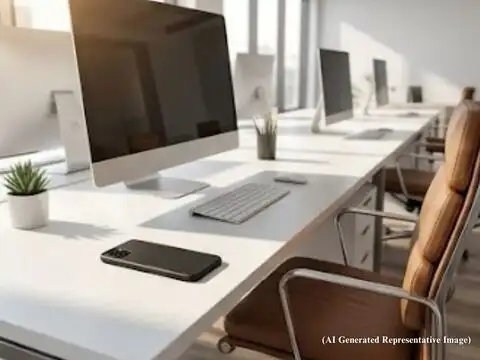
It Makes Conversations Feel More Genuine
When a phone sits face up on the table during a conversation, it changes the dynamic even without a single notification. Psychologists Przybylski and Weinstein found that the visible presence of a phone during conversations was linked to lower feelings of closeness, trust, and relationship quality between the people involved.

5/7
It Helps You Get Back To Deep Work Faster
Every interruption costs more time than the interruption itself. A field study published in the Journal of Business and Psychology found that phone-related interruptions at work increased the time needed to resume a task and raised overall cognitive load, meaning the cost of one glance at your phone is paid long after you look away.
6/7
It Reduces The Urge To Check Compulsively
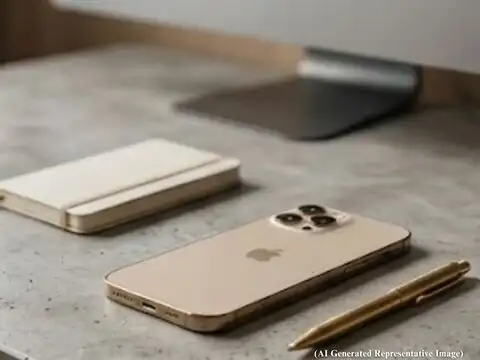
Removing the screen from view also reduces the reflexive urge to check it. A study in Computers in Human Behavior found that smartphone checking behavior is heavily cue-driven. When the phone is out of sight, the environmental trigger disappears, making it significantly easier to stay off the device without relying on willpower alone.
7/7
It Is The Starting Point Of A Healthier Phone Relationship
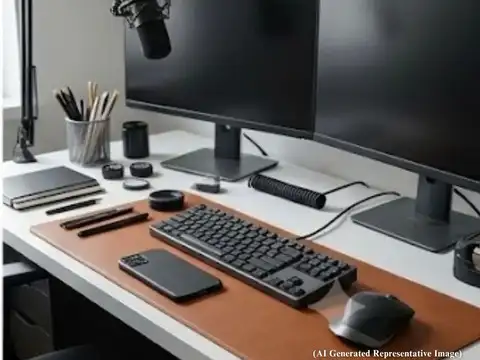
Placing the phone face down won't solve everything on its own. But as a daily ritual, it builds awareness. Researchers reviewing screen time interventions found that small intentional behaviors around phone use help people feel more in control of their device, even when total screen time doesn't drop dramatically.