
Pancreatic cancer risk in diabetes patients: 5 signs to watch out for

1/6
Early detection saves
The pancreas is an organ responsible for both digestion and producing insulin, the hormone that controls blood sugar. Recent medical research has shown a clear link between the disease and diabetes, with cancer sometimes even causing the diabetes. Know the signs.

2/6
The Connection Between Diabetes and Cancer
Since the pancreas is responsible for both digestion and producing insulin, pancreatic cancer can cause the pancreas to malfunction, leading to a sudden rise in blood sugar levels. A study from the Mayo Clinic notes that "new-onset diabetes, especially in individuals over 50, may be an early symptom of pancreatic cancer."

3/6
Unexplained Weight Loss
Rapid and unexplained weight loss is one of the most common red flags for pancreatic cancer. As the American Cancer Society points out, this occurs when the cancer uses up the body's energy or causes digestive problems. Pay attention if your weight is dropping without a change in your diet or exercise routine.
Amazon Top Deals
POWERED BY

Crompton Ozone 75 Litres Desert Air Cooler for home | Large & Easy Clean Ice Chamber | 4-Way Air Deflection | High Density Honeycomb Pads | Everlast Pump | Auto Fill| 3 Year Brand Warranty
₹9,798Buy Now43%
OFF

LG 32 L Convection Microwave Oven (MC3286BRUM, Black, 360° Motorised Rotisserie for Bar-be-queing, 301 Auto Cook Menu, Stainless steel cavity, Indian Cuisine, Tandoor Se, Steam Clean & Diet Fry)
₹18,490Buy Now23%
OFF

4/6
Abdominal or Back Pain
A persistent, dull pain in the upper abdomen that radiates to the back can be a sign of a growing tumor. Johns Hopkins Medicine explains that a tumor in the body or tail of the pancreas can press on nearby organs and nerves. If you experience this type of pain, especially after eating or when lying down, consult a doctor immediately.
5/6
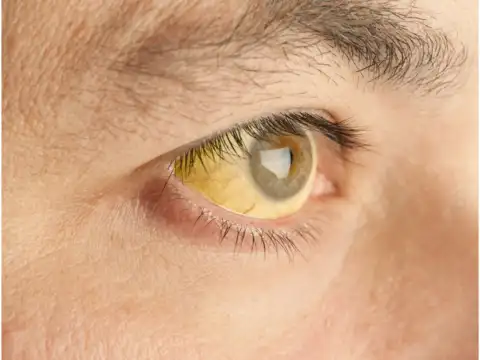
Jaundice
Jaundice, the yellowing of the skin and eyes, occurs when a pancreatic tumor blocks the bile duct. This causes a buildup of bilirubin, a substance made by your liver. According to the Cleveland Clinic, jaundice is often one of the first and most obvious signs of pancreatic cancer. It may also cause dark urine and itchy skin.

6/6
A Sudden Change in Blood Sugar Control
If your diabetes, which was previously well-managed, suddenly becomes difficult to control, it could be a warning sign. The National Cancer Institute highlights that a tumor can interfere with the pancreas's ability to produce insulin. If you notice your blood sugar levels are unusually high despite adhering to your treatment plan, seek medical advice.
(Disclaimer: This story is for informational purposes only and is not a substitute for professional medical advice. If you experience any of these symptoms, especially if you have a family history of diabetes or cancer, consult with a qualified healthcare provider immediately for a proper diagnosis.)
(Disclaimer: This story is for informational purposes only and is not a substitute for professional medical advice. If you experience any of these symptoms, especially if you have a family history of diabetes or cancer, consult with a qualified healthcare provider immediately for a proper diagnosis.)