
Osteoporosis: the bone disease you might not notice until it’s too late
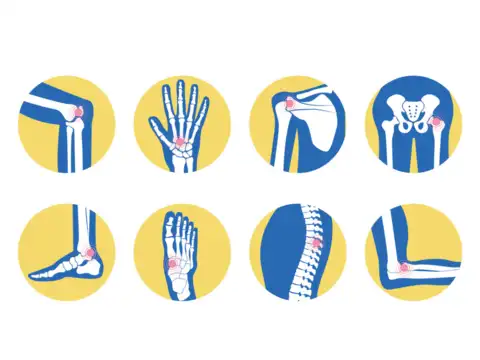
1/8
Why does it happen?
Our bones naturally get weaker as we grow older, especially after the age of 35. In some people, this loss happens faster than normal. Hormonal changes like menopause in women, low calcium or vitamin D in the diet, or not moving enough can all make the bones lose their strength sooner.
2/8
What is osteoporosis?
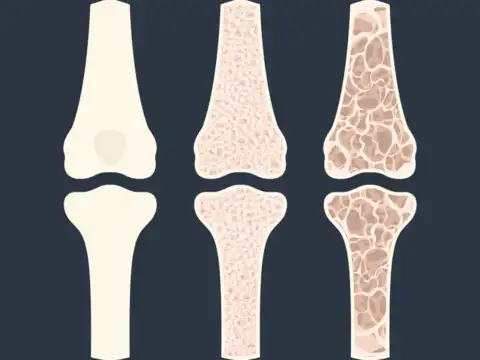
Osteoporosis is a disease where your bones lose strength and become fragile. The structure inside the bones becomes porous, like a sponge, making them more likely to crack or break, even from a small fall or bump.
3/8
Who is at risk?
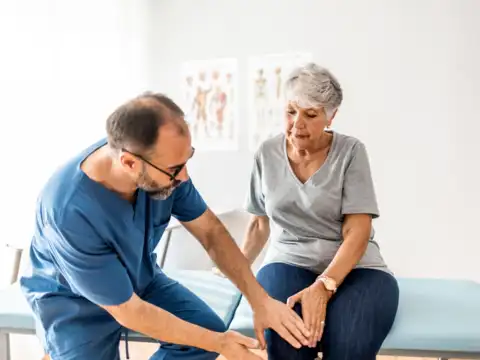
Women over 50 and men over 65 are most likely to develop osteoporosis. People who smoke, drink heavily, have thyroid problems, or take certain medicines for a long time can also face a higher risk. If someone in your family has weak bones, your chances may go up too.
Amazon Top Deals
POWERED BY

Crompton Ozone 75 Litres Desert Air Cooler for home | Large & Easy Clean Ice Chamber | 4-Way Air Deflection | High Density Honeycomb Pads | Everlast Pump | Auto Fill| 3 Year Brand Warranty
₹9,798Buy Now43%
OFF
LG 32 L Convection Microwave Oven (MC3286BRUM, Black, 360° Motorised Rotisserie for Bar-be-queing, 301 Auto Cook Menu, Stainless steel cavity, Indian Cuisine, Tandoor Se, Steam Clean & Diet Fry)
₹19,340Buy Now19%
OFF
4/8
What are the early signs?
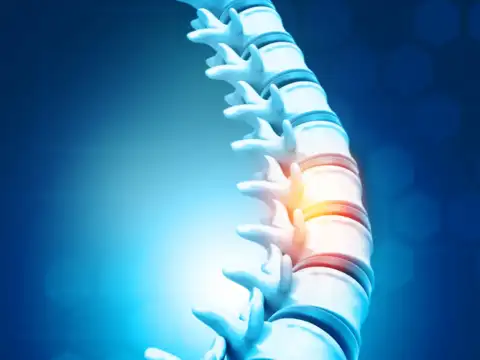
Most people don’t feel anything until they break a bone. But some early signs could include back pain, shorter height over the years, or a stooped posture. If you find yourself breaking bones easily, it’s worth getting checked.
5/8
How is it tested?
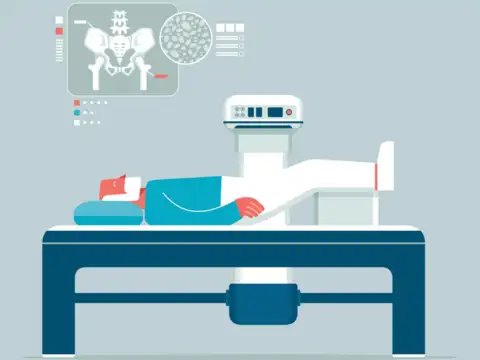
Doctors use a scan called DEXA to measure how strong your bones are. It tells you how dense your bones are and whether you have osteoporosis. This test is quick, painless, and often recommended for women after menopause or older adults with risk factors.
6/8
What foods help?
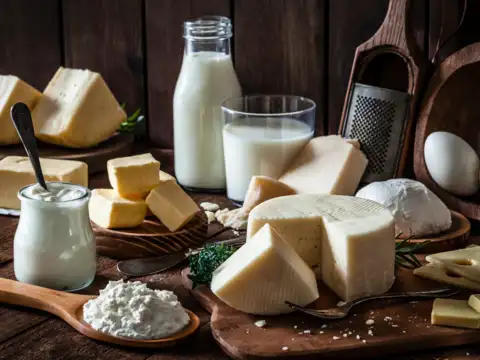
Your bones need calcium, vitamin D, and protein to stay strong. Foods like milk, curd, paneer, almonds, leafy greens, and fish are good choices. Getting some sunlight daily helps your body make vitamin D. Eating well early in life helps protect your bones later on.
7/8
Can it be treated?
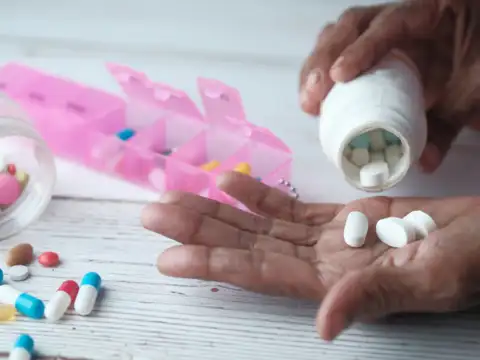
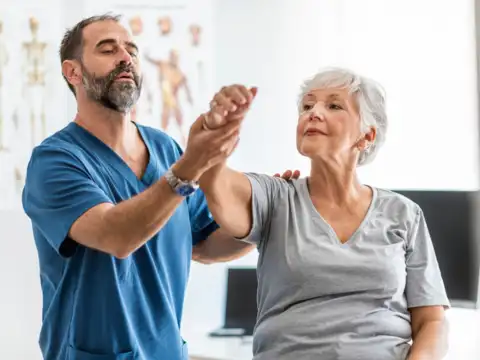
Yes. While bone loss can’t always be fully reversed, it can be slowed down. Doctors may give medicines, suggest supplements, and ask you to walk or do light weight exercises. Making your home safe from falls also becomes important as you grow older.
8/8
Why early care matters
Osteoporosis often shows up only after a painful fracture. That’s why early action matters. A simple scan, some basic food habits, and regular movement can go a long way in keeping your bones strong as you age.