
Not blue light? Sleep expert explains 6 common reasons behind why you are sleeping late at night

1/7
It's not always the screens
Trouble sleeping is often caused by stress chemicals, body clock shifts, stimulants, hidden sleep disorders, and certain health problems even when you dim the phone and laptop. Focus first on timing, routine, and simple tests that reveal what is really keeping you awake before trying new pills.

2/7
Pain, reflux, asthma, thyroid, and hormones
Chronic pain, heartburn called gastroesophageal reflux disease, night time asthma, overactive thyroid, pregnancy, and menopause can all disturb sleep. Treat the underlying problem and adjust sleep position which often improves sleep quality.

3/7
Stress and a busy mind
Overthinking and worry keep the brain alert and the fight or flight system active which blocks sleep onset and causes midnight wake ups. Write a to do list early evening and use a 15 minute wind down to shift the mind into rest mode. Cognitive behavioral therapy for insomnia teaches these skills and is the first line treatment.
Amazon Top Deals
POWERED BY

Crompton Ozone 75 Litres Desert Air Cooler for home | Large & Easy Clean Ice Chamber | 4-Way Air Deflection | High Density Honeycomb Pads | Everlast Pump | Auto Fill| 3 Year Brand Warranty
₹9,798Buy Now43%
OFF

atomberg Studio Smart+ 1200mm BLDC Ceiling Fan with IoT & Remote | BEE 5 star Rated Energy Efficient Ceiling Fan | High Air Delivery with LED Indicators | 3 Year Warranty (Earth Brown)
₹5,903Buy Now36%
OFF

LG 32 L Convection Microwave Oven (MC3286BRUM, Black, 360° Motorised Rotisserie for Bar-be-queing, 301 Auto Cook Menu, Stainless steel cavity, Indian Cuisine, Tandoor Se, Steam Clean & Diet Fry)
₹19,340Buy Now19%
OFF

4/7
Medicines that wake you up
Some antidepressants, beta blockers, diuretics, steroids, and late stimulants can disrupt sleep or cause frequent urination. Ask the doctor about dose timing or alternatives if sleep got worse after a medicine change.
5/7
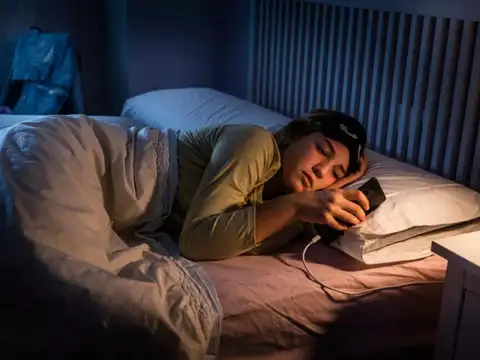
Too much time in bed
Going to bed early to catch up and staying in bed awake trains the brain to link bed with wakefulness. Keep a strict sleep window based on your average sleep time and only go to bed when sleepy. This is part of cognitive behavioral therapy for insomnia and it works.

6/7
Naps and evening workouts
Long naps reduce sleep pressure and very late heavy workouts can delay sleep. Keep naps short under 20 minutes before 3 PM and finish hard exercise at least four hours before bed.

7/7
Caffeine, nicotine, and alcohol
Caffeine and nicotine are stimulants that can delay sleep and reduce deep sleep for hours while alcohol can fragment sleep later in the night. Stop caffeine and nicotine at least six hours before bed and skip nightcaps if you wake at 2 AM.
(Disclaimer: This story is not for professional medical advice and does not substitute any medical advice; it is strictly for educational purposes alone.)
(Disclaimer: This story is not for professional medical advice and does not substitute any medical advice; it is strictly for educational purposes alone.)