
Not All Hair Oils Are Equal - Here’s the Truth

1/8
Oils That Actually Work
Dermatologist Dr Priyanka Reddy shares how different hair oils work for specific scalp and hair needs and how to use them the right way in her recent Instagram reel.
2/8
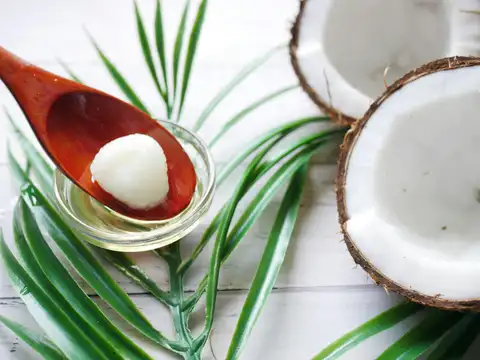
Coconut Oil: Gentle & Nourishing
Coconut oil works well as a hair conditioner, especially for kids when you want to avoid too many products. Apply it only to the hair lengths 30 to 60 minutes before a head bath. Avoid overnight scalp application, especially if you have an oily or dandruff-prone scalp.
3/8
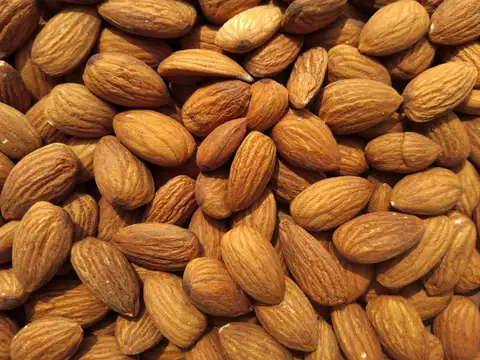
Almond Oil: Shine & Softness
Almond oil adds shine and softness to hair. Apply it 1 or 2 hours before your head bath. If you have dry skin, it can also be used as a facial oil to nourish and soften the skin.
Amazon Top Deals
POWERED BY

4/8
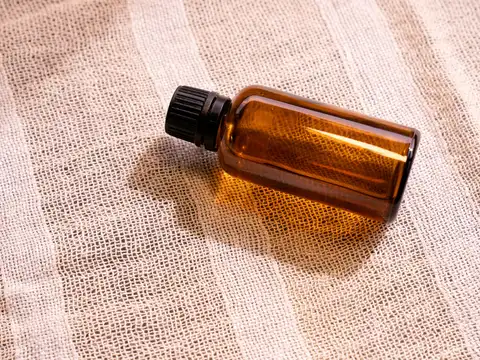
Argan Oil: Frizz Control & Heat Protection
Argan oil is excellent for frizz control and acts as a natural heat protectant. Use just 2 or 3 drops on damp hair after your head bath, focusing on the lengths. It can also be used as a facial oil for gentle face massage.
5/8
Jojoba Oil: For Very Dry Scalp
Jojoba oil closely copies the skin’s natural sebum. For people with very dry scalps, apply it 1-2 hours before a head bath to help balance scalp oils and reduce dryness.
6/8
Tea Tree Oil: Dandruff Care
Tea tree oil is good for dandruff and itchy scalp. Apply it 30-60 minutes before shampooing your hair, but always mix it with a carrier oil. Never apply tea tree oil directly to the scalp.

7/8
Rosemary Oil: Hair Fall Support
Rosemary oil improves blood circulation in the scalp and also helps reduce hair fall with consistent use. Apply it 2 or 3 times a week by mixing it with a carrier oil and massaging gently onto the scalp.
8/8
Bhringraj Oil: Scalp Relaxation
Bhringraj oil is great for scalp massages and helps relieve stress and is also soothing for the scalp. Be gentle; excessive friction during massage can lead to hair breakage.
- Disclaimer: The information provided in this content is for general awareness only and should not be considered a substitute for professional medical advice, diagnosis, or treatment. Always seek the guidance of a qualified healthcare provider or your own doctor with any questions you may have regarding a medical condition or health concerns. ET bears no responsibility for the accuracy, completeness, or outcomes arising from the use of this information.