
Nobel Prize 2025: Nobel Prize in Medicine is announced. Here are the winners and their “greatest benefit to humankind”
1/6
Nobel Prize in Physiology or Medicine 2025
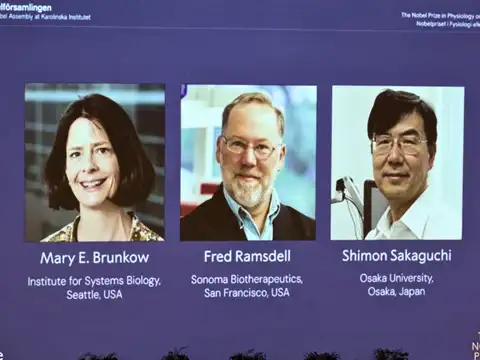
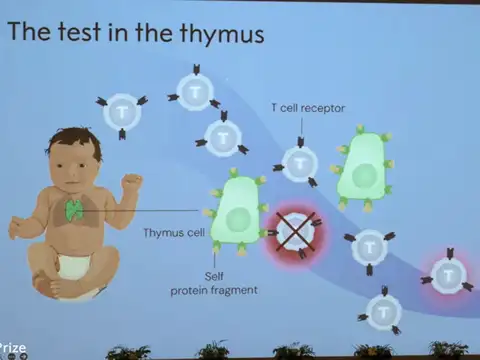
Mary E. Brunkow, Fred Ramsdell, and Shimon Sakaguchi are honored with nobel prize in physiology and mediciine “for their discoveries concerning peripheral immune tolerance,” the body’s failsafe that prevents immune cells from attacking healthy tissues after they leave the thymus.
2/6
The 2025 laureates
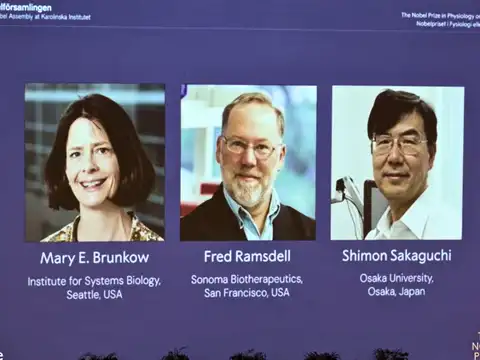
Mary E. Brunkow, Fred Ramsdell, and Shimon Sakaguchi receive the 2025 Nobel in Physiology or Medicine for foundational discoveries that explain how the immune system learns not to attack the body’s own cells outside primary lymphoid organs.
Mary E. BrunkowSenior Program Manager at the Institute for Systems Biology, Seattle. Helped link FOXP3 gene defects to IPEX, proving this gene controls regulatory T cells that prevent harmful autoimmunity.
Fred RamsdellImmunologist associated with Sonoma Biotherapeutics/Parker Institute. Co‑identified FOXP3’s role and its mutations in scurfy mice and IPEX patients, revealing how regulatory T cells keep immunity in balance.
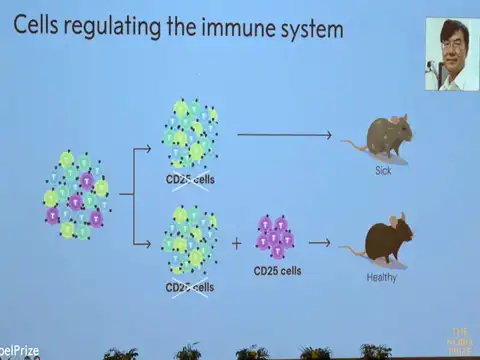
Shimon SakaguchiDistinguished Professor, Osaka University. Discovered regulatory T cells (CD4+CD25+) that suppress overactive immunity; later tied them to FOXP3. His work defined peripheral immune tolerance.
Mary E. BrunkowSenior Program Manager at the Institute for Systems Biology, Seattle. Helped link FOXP3 gene defects to IPEX, proving this gene controls regulatory T cells that prevent harmful autoimmunity.
Fred RamsdellImmunologist associated with Sonoma Biotherapeutics/Parker Institute. Co‑identified FOXP3’s role and its mutations in scurfy mice and IPEX patients, revealing how regulatory T cells keep immunity in balance.
Shimon SakaguchiDistinguished Professor, Osaka University. Discovered regulatory T cells (CD4+CD25+) that suppress overactive immunity; later tied them to FOXP3. His work defined peripheral immune tolerance.
3/6
What peripheral tolerance means
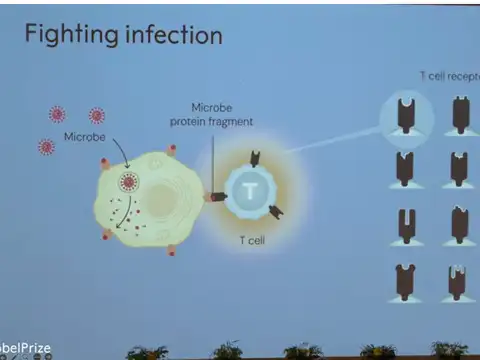
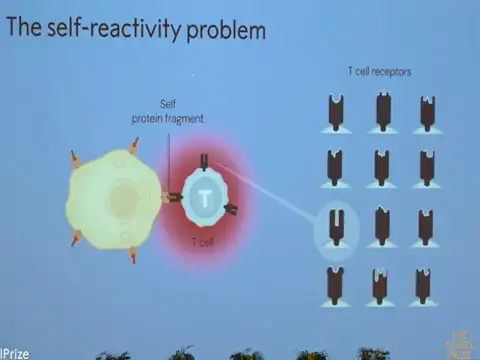
Peripheral immune tolerance is the backup layer that keeps escaped self‑reactive T and B cells from causing damage, using strategies like anergy (functional “off” state), deletion (cell removal), and active suppression by regulatory cells. These mechanisms work in secondary lymphoid organs and tissues to prevent autoimmunity and over‑reactions to harmless antigens such as food or environmental exposures.
Amazon Top Deals
POWERED BY

Crompton Ozone 75 Litres Desert Air Cooler for home | Large & Easy Clean Ice Chamber | 4-Way Air Deflection | High Density Honeycomb Pads | Everlast Pump | Auto Fill| 3 Year Brand Warranty
₹9,798Buy Now43%
OFF

LG 32 L Convection Microwave Oven (MC3286BRUM, Black, 360° Motorised Rotisserie for Bar-be-queing, 301 Auto Cook Menu, Stainless steel cavity, Indian Cuisine, Tandoor Se, Steam Clean & Diet Fry)
₹18,790Buy Now22%
OFF
4/6
The role of regulatory cells
A central pillar of peripheral tolerance is immune regulation by specialized cells—especially regulatory T cells—that restrain overactive responses and maintain immune balance across tissues. When these checkpoints fail, tolerance breaks down, predisposing to autoimmune disease and chronic inflammation; understanding them opened new targets for therapy.
5/6
Why this matters clinically
Clarifying peripheral tolerance explains why some people develop autoimmune disorders and why transplants can fail without lifelong immune suppression, guiding strategies to induce long‑term graft acceptance. Insights have also shaped modern cancer immunology, where tumors exploit tolerance pathways—knowledge that informs how and when to judiciously lift immune brakes. Their work established key mechanisms of “peripheral immune tolerance,” a safeguard that operates after immune cells mature, complementing central tolerance in the thymus and bone marrow.
6/6
From discovery to therapies
The laureates’ field has paved the way for approaches that restore balance—either by enhancing tolerance to calm autoimmunity and graft rejection or by modulating checkpoints to make anti‑cancer immunity more effective. Ongoing research aims to translate these mechanisms into precise treatments that correct misfiring immunity without broad suppression.The 2025 Nobel recognizes decades of science that decoded this supervision system—and set the stage for smarter, safer immune‑based medicine.