
No supplements needed: 6 everyday foods to help fix vitamin B12 deficiency

1/6
Why vitamin B12 matters
Vitamin B12 supports red blood cell formation, nerve protection, memory, and energy use; low levels can cause anemia, tingling, poor balance, fatigue, and mood change over time. Vitamin B12 is found in animal foods and in fortified foods, so the plan below shows options for both non vegetarian and vegetarian readers.

2/6
Dairy: milk, curd, paneer, cheese
Why it helps: Dairy naturally contains vitamin B12 and it is absorbed relatively well compared with some meats, so a daily glass of milk or a bowl of curd can lift intake in a practical way. Simple idea: 1 cup milk or 1 bowl curd with meals, and 2 to 3 times a week include paneer as a protein source.

3/6
Eggs: whole eggs, especially yolk
Why it helps: Eggs provide vitamin B12 along with protein and choline; for many people they are an affordable breakfast choice that fits easily into the day. Simple idea: 1 to 2 eggs in an omelet or boiled at breakfast supplies a steady B12 top up without changing the rest of the diet.
Amazon Top Deals
POWERED BY


4/6
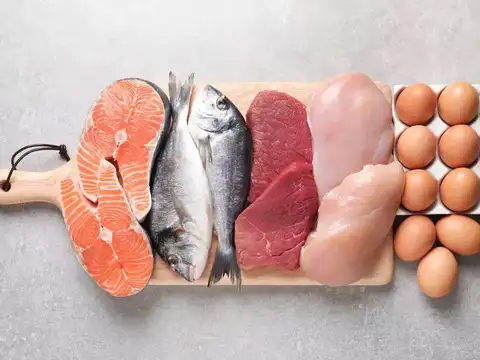
Fish and seafood: salmon, tuna, sardine, shellfish
Why it helps: Fish and shellfish are among the richest vitamin B12 foods and also provide omega 3 fatty acids that support heart and brain health. Simple idea: 2 fish meals per week, such as grilled salmon or sardine curry, can raise B12 levels noticeably if intake was low before.
5/6
Meat and poultry: chicken, mutton, liver
Why it helps: Meat supplies vitamin B12 and iron that together help prevent or correct anemia symptoms in people with dietary deficiency. Simple idea: Add one palm sized portion of chicken or mutton to lunch or dinner a few days per week; organ meats like liver are especially high in vitamin B12 but should be used occasionally.
6/6
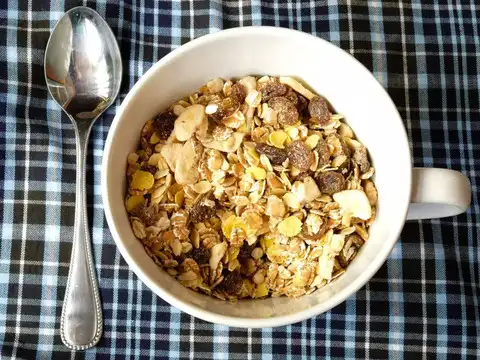
Fortified foods: breakfast cereals, plant milks, nutritional yeast
Why it helps: Plant foods do not naturally contain vitamin B12, so fortified foods are key for vegetarians and vegans; the added vitamin is in a free form that does not need stomach acid to be released. Simple idea: Choose plant milk or breakfast cereal with vitamin B12 listed on the label, and sprinkle nutritional yeast on salads or pasta for a cheesy taste.
(Disclaimer: This story is not for professional medical advice and does not substitute any medical advice. This is strictly for educational purposes alone.)
(Disclaimer: This story is not for professional medical advice and does not substitute any medical advice. This is strictly for educational purposes alone.)