
Nipah virus: what it is, how it spreads and how to protect yourself
1/7
What is Nipah virus and why it matters now
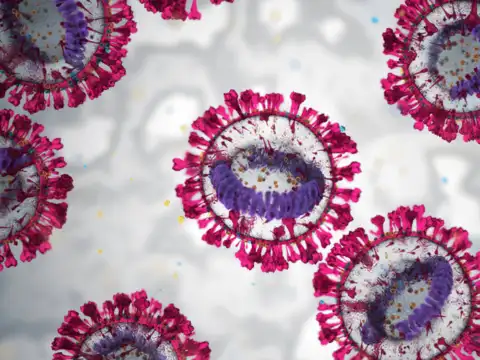
A 57-year-old man recently died from Nipah virus in Kerala’s Palakkad district. This has prompted fresh containment action by the Kerala Health Department. The Nipah virus is highly infectious and often fatal. Indian health authorities stress that awareness and early precautions can make alife-saving difference.
2/7
Nipah virus is a zoonotic disease with no cure
According to the National Centre for Disease Control (NCDC), Nipah is a zoonotic virus—spread from animals to humans. It causes high fever, headache, vomiting, disorientation, and in some cases, swelling of the brain (encephalitis). With no vaccine or antiviral treatment available, prevention through awareness and safe practices is the only proven defence.
3/7
Fruit bats are the natural carriers
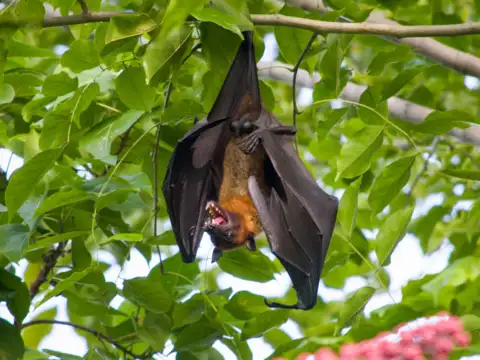
The NCDC confirms that fruit bats of the Pteropus genus are natural reservoirs of the Nipah virus. These bats can shed the virus in theirsaliva, urine, and faeces. During outbreaks, health teams collect bat samplesand monitor their populations to help track the origin of infections. Keralahas seen recurring outbreaks since 2018, particularly in monsoon and post-monsoon periods.
Amazon Top Deals
POWERED BY

Crompton Ozone 75 Litres Desert Air Cooler for home | Large & Easy Clean Ice Chamber | 4-Way Air Deflection | High Density Honeycomb Pads | Everlast Pump | Auto Fill| 3 Year Brand Warranty
₹9,798Buy Now43%
OFF

LG 32 L Convection Microwave Oven (MC3286BRUM, Black, 360° Motorised Rotisserie for Bar-be-queing, 301 Auto Cook Menu, Stainless steel cavity, Indian Cuisine, Tandoor Se, Steam Clean & Diet Fry)
₹19,340Buy Now19%
OFF

4/7
How the virus spreads to people
Transmission to humans can occur through eating fruit contaminated with bat secretions or drinking raw date palm sap. It can also spread through direct contact with an infected person’s bodily fluids or contaminated surfaces. According to official guidelines, the virus is most likely to spread in areas with high bat activity or poor hygiene practices, especially during caregiving or hospital visits.

5/7
Food safety is critical in outbreak areas
As per the Ministry of Health’s advisories, people should avoid eating fallen or half-eaten fruits and raw date palm sap, especially in outbreak regions. Even seemingly fresh fruits can carry invisible bat secretions. It’s best to wash all fruits thoroughly and, when possible, consume only those that have been stored or prepared hygienically.
6/7
Hygiene protocols from Indian health authorities
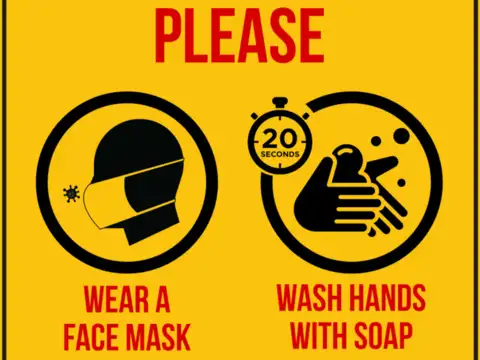
The NCDC and Kerala’s Health Department recommend regular handwashing with soap, wearing face masks in public or crowded spaces, and avoiding close contact with sick individuals. Caregivers should wear gloves, disinfect common surfaces, and isolate suspected patients until medical help arrives. Hospitals are advised to report encephalitis and fever clusters immediately.
7/7
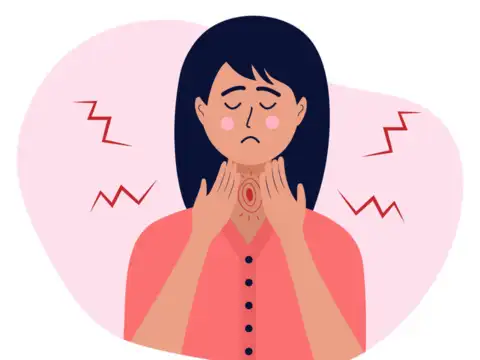
Know the symptoms—and act quickly
The incubation period is 4 to 14 days. Early symptoms include fever, headache, sore throat, and vomiting. In serious cases, the patient may show drowsiness, confusion, seizures, or coma. Indian guidelines emphasise immediate isolation and medical attention for anyone with these signs—especially if they have been in a high-risk area.