
New pet parent? 6 critical signs that mean your pet needs a veterinarian
1/6
Sudden changes in eating or drinking habits
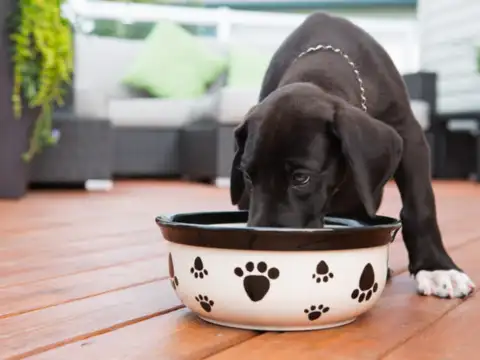
A noticeable shift in your pet’s appetite or water intake is often the first clue something is wrong. If your dog or cat suddenly stops eating, eats significantly less, or becomes uninterested in their favorite treats, it may indicate pain, dental problems, gastrointestinal issues, or even kidney disease. Similarly, excessive drinking and urination can signal diabetes or kidney trouble.
Sometimes, the cause might be as simple as stress or a recent change in routine, but if this behavior continues for more than 24 hours, it’s crucial to consult a veterinarian. Cats especially are masters of hiding discomfort, so a refusal to eat for even a day can lead to liver complications.
Keep a record of your pet’s normal eating patterns and compare any unusual changes. A pet’s hydration status can be tested gently by lifting the skin between their shoulders, if it doesn’t snap back quickly, they may be dehydrated.
Early detection can prevent minor issues from developing into serious conditions. Trust your instincts, if something seems off with your pet’s appetite or thirst, it probably is. A vet can help diagnose the underlying cause quickly.
Sometimes, the cause might be as simple as stress or a recent change in routine, but if this behavior continues for more than 24 hours, it’s crucial to consult a veterinarian. Cats especially are masters of hiding discomfort, so a refusal to eat for even a day can lead to liver complications.
Keep a record of your pet’s normal eating patterns and compare any unusual changes. A pet’s hydration status can be tested gently by lifting the skin between their shoulders, if it doesn’t snap back quickly, they may be dehydrated.
Early detection can prevent minor issues from developing into serious conditions. Trust your instincts, if something seems off with your pet’s appetite or thirst, it probably is. A vet can help diagnose the underlying cause quickly.

2/6
Unusual lethargy or low energy levels
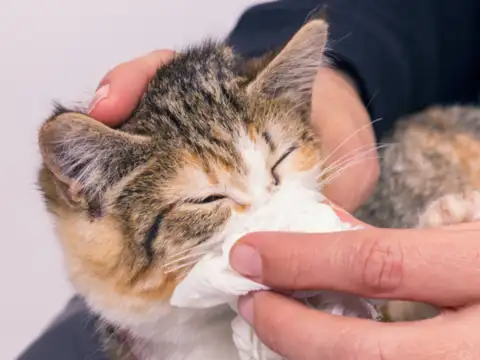
If your typically energetic dog suddenly prefers lying in one spot all day, or your playful cat becomes indifferent to toys, take notice. Lethargy in pets can be caused by anything from fever, infection, or pain, to heart problems or organ failure. While it's normal for pets to rest more as they age, a sudden and dramatic drop in energy is often a red flag.
Monitor how long the sluggishness lasts. If your pet refuses to get up for meals, walks, or shows no interest in interaction for more than a day, you need to consult a vet. In dogs, especially larger breeds, lethargy can also indicate bloating, a life-threatening condition that needs emergency care.
Also, be alert for limping or slow movements, which might signal joint pain, injuries, or arthritis. In cats, low activity combined with changes in grooming could suggest thyroid issues or depression.
Veterinarians can run tests to determine whether the lethargy stems from an infection, inflammation, or something more serious. With early intervention, many causes of sudden low energy can be successfully treated, sparing your pet discomfort or prolonged illness.
Monitor how long the sluggishness lasts. If your pet refuses to get up for meals, walks, or shows no interest in interaction for more than a day, you need to consult a vet. In dogs, especially larger breeds, lethargy can also indicate bloating, a life-threatening condition that needs emergency care.
Also, be alert for limping or slow movements, which might signal joint pain, injuries, or arthritis. In cats, low activity combined with changes in grooming could suggest thyroid issues or depression.
Veterinarians can run tests to determine whether the lethargy stems from an infection, inflammation, or something more serious. With early intervention, many causes of sudden low energy can be successfully treated, sparing your pet discomfort or prolonged illness.
3/6
Persistent vomiting or diarrhea
One isolated episode of vomiting or loose stool might not warrant immediate concern. But if your pet is vomiting repeatedly or has diarrhea for more than 24 hours, it’s time to call the vet. Persistent gastrointestinal upset can signal infections, food intolerance, parasites, pancreatitis, or even something more dangerous like ingesting a toxic substance.
In puppies and kittens, dehydration can happen quickly, making this symptom especially urgent. Check for other signs like blood in stool, bile in vomit, or unusual color and consistency. If your pet also seems lethargic, refuses to eat, or is running a fever, these are serious warning signals.
Vomiting may also be accompanied by abdominal pain, drooling, or frequent swallowing, indications that something is irritating their stomach or esophagus. Keep an eye out for them chewing on non-food items, which could lead to intestinal blockages requiring surgery.
Veterinarians may perform blood tests, X-rays, or fecal analysis to identify the underlying issue. Even mild cases should be evaluated before they worsen. Catching gastrointestinal issues early makes treatment easier and reduces the risk of complications.
In puppies and kittens, dehydration can happen quickly, making this symptom especially urgent. Check for other signs like blood in stool, bile in vomit, or unusual color and consistency. If your pet also seems lethargic, refuses to eat, or is running a fever, these are serious warning signals.
Vomiting may also be accompanied by abdominal pain, drooling, or frequent swallowing, indications that something is irritating their stomach or esophagus. Keep an eye out for them chewing on non-food items, which could lead to intestinal blockages requiring surgery.
Veterinarians may perform blood tests, X-rays, or fecal analysis to identify the underlying issue. Even mild cases should be evaluated before they worsen. Catching gastrointestinal issues early makes treatment easier and reduces the risk of complications.
Amazon Top Deals
POWERED BY

Crompton Ozone 75 Litres Desert Air Cooler for home | Large & Easy Clean Ice Chamber | 4-Way Air Deflection | High Density Honeycomb Pads | Everlast Pump | Auto Fill| 3 Year Brand Warranty
₹9,798Buy Now43%
OFF

atomberg Studio Smart+ 1200mm BLDC Ceiling Fan with IoT & Remote | BEE 5 star Rated Energy Efficient Ceiling Fan | High Air Delivery with LED Indicators | 3 Year Warranty (Earth Brown)
₹5,882Buy Now36%
OFF

LG 32 L Convection Microwave Oven (MC3286BRUM, Black, 360° Motorised Rotisserie for Bar-be-queing, 301 Auto Cook Menu, Stainless steel cavity, Indian Cuisine, Tandoor Se, Steam Clean & Diet Fry)
₹19,340Buy Now19%
OFF
4/6
Difficulty breathing or constant coughing
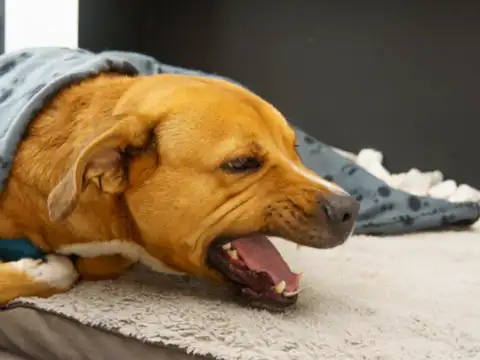
Breathing issues in pets are never something to ignore. If your pet is wheezing, coughing, or seems to be breathing heavily or rapidly even at rest, it could point to a respiratory infection, allergies, heart disease, or a blocked airway. Dogs may exhibit a honking cough (common in kennel cough), while cats might breathe with their mouths open, something they should never do unless extremely stressed or overheated.
Also, check for blue or pale gums, which indicate poor oxygenation. Labored breathing, where your pet is visibly working hard to draw in air, is a veterinary emergency. Some pets may try to sit or stand in unusual positions, stretching their necks to breathe more easily.
Persistent coughing in dogs might suggest tracheal collapse, heartworm disease, or bronchitis. Cats are less likely to cough but may hide more often or appear withdrawn. Both species may show a decreased interest in food or play due to discomfort.
In such cases, veterinary attention is vital. Your vet may conduct X-rays, oxygen tests, or heart scans to diagnose the issue accurately. Early diagnosis can prevent further complications and may even save your pet’s life.
Also, check for blue or pale gums, which indicate poor oxygenation. Labored breathing, where your pet is visibly working hard to draw in air, is a veterinary emergency. Some pets may try to sit or stand in unusual positions, stretching their necks to breathe more easily.
Persistent coughing in dogs might suggest tracheal collapse, heartworm disease, or bronchitis. Cats are less likely to cough but may hide more often or appear withdrawn. Both species may show a decreased interest in food or play due to discomfort.
In such cases, veterinary attention is vital. Your vet may conduct X-rays, oxygen tests, or heart scans to diagnose the issue accurately. Early diagnosis can prevent further complications and may even save your pet’s life.
5/6
Unusual lumps, bumps, or wounds that don’t heal
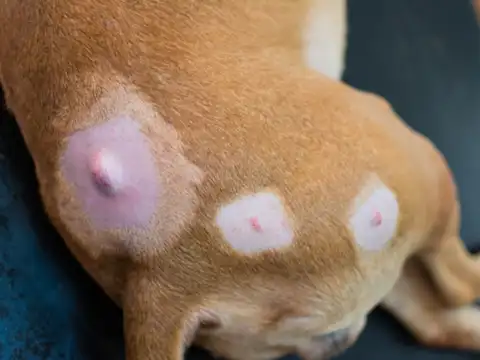
Finding a lump on your pet can be worrying. While not all growths are cancerous, any lump that’s growing, painful, bleeding, or causing discomfort should be examined by a vet. Similarly, wounds or sores that don’t heal within a few days might indicate infection, immune issues, or more severe health conditions.
Check your pet’s body regularly, especially during grooming. Feel for new lumps under the skin, especially around the neck, chest, and belly. Pay attention if your pet begins licking or scratching a particular area obsessively, it could signal irritation or pain.
Wounds, cuts, or hot spots (inflamed areas caused by licking or chewing) that are red, swollen, or oozing require veterinary attention. Self-treatment with ointments or home remedies may worsen the problem.
Your vet might perform a fine-needle aspiration or biopsy to determine the nature of a lump. Prompt diagnosis improves the chances of effective treatment, especially if cancer is involved.
Don’t wait for a lump to grow large or change shape, early intervention can make all the difference in your pet’s health.
Check your pet’s body regularly, especially during grooming. Feel for new lumps under the skin, especially around the neck, chest, and belly. Pay attention if your pet begins licking or scratching a particular area obsessively, it could signal irritation or pain.
Wounds, cuts, or hot spots (inflamed areas caused by licking or chewing) that are red, swollen, or oozing require veterinary attention. Self-treatment with ointments or home remedies may worsen the problem.
Your vet might perform a fine-needle aspiration or biopsy to determine the nature of a lump. Prompt diagnosis improves the chances of effective treatment, especially if cancer is involved.
Don’t wait for a lump to grow large or change shape, early intervention can make all the difference in your pet’s health.

6/6
Behavioral changes or signs of pain
A pet in pain may not cry or whimper, especially cats, who instinctively hide discomfort. Instead, they might display changes in behavior like increased aggression, hiding, growling when touched, or avoiding certain activities like climbing stairs or jumping. Dogs might pace, pant excessively, or lick a specific body part obsessively.
If your usually cuddly pet becomes withdrawn or irritable, or if they suddenly stop interacting with you or other pets, it’s a strong sign that something’s wrong. Similarly, if they cry out when touched in a specific spot, limp, or are reluctant to move, they could be experiencing joint pain, dental problems, or internal injuries.
Pets with arthritis may show pain after resting, and those with dental issues may chew on one side or avoid dry food. Shaking, trembling, and restlessness can also be indicators of pain or anxiety caused by a medical condition.
Behavioral changes shouldn’t be dismissed as mere mood swings. Your vet can perform physical exams and pain assessments to identify the source and recommend appropriate treatment.
If your usually cuddly pet becomes withdrawn or irritable, or if they suddenly stop interacting with you or other pets, it’s a strong sign that something’s wrong. Similarly, if they cry out when touched in a specific spot, limp, or are reluctant to move, they could be experiencing joint pain, dental problems, or internal injuries.
Pets with arthritis may show pain after resting, and those with dental issues may chew on one side or avoid dry food. Shaking, trembling, and restlessness can also be indicators of pain or anxiety caused by a medical condition.
Behavioral changes shouldn’t be dismissed as mere mood swings. Your vet can perform physical exams and pain assessments to identify the source and recommend appropriate treatment.