
Neem vs Tulsi: which is the king of all ayurvedic herbs?
1/7
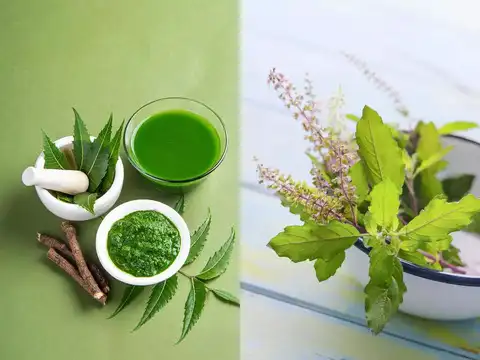
Two herbal legends, different energies
Neem and tulsi (holy basil) are both revered in Ayurvedic medicine, but they serve different purposes. A head-to-head comparison of two of Ayurveda’s most celebrated herbs—neem and tulsi—based on immunity, skin health, gut support, and versatility.

2/7
Immunity: frontline vs long game
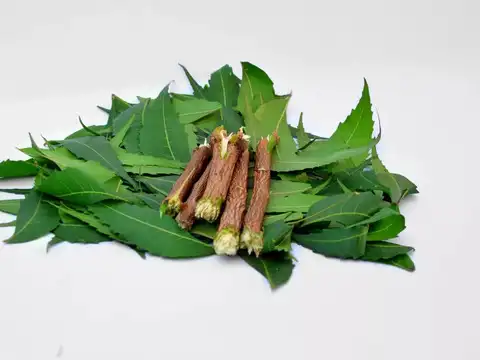
Tulsi shines as an immune modulator, helping balance the body’s stress response and supporting resistance to colds, allergies, and infections over time. Neem acts more like an herbal antibiotic—potent in acute situations like skin eruptions or gut imbalances, but not for long-term daily use in high doses.
3/7
Skin, acne, and detox
Neem is often the go-to for acne, oily skin, and inflammation—it purifies blood, fights microbes, and cools internal heat. Tulsi also supports skin indirectly by lowering oxidative stress and calming internal inflammation but is gentler and slower-acting.
Amazon Top Deals
POWERED BY

Crompton Ozone 75 Litres Desert Air Cooler for home | Large & Easy Clean Ice Chamber | 4-Way Air Deflection | High Density Honeycomb Pads | Everlast Pump | Auto Fill| 3 Year Brand Warranty
₹9,798Buy Now43%
OFF

LG 32 L Convection Microwave Oven (MC3286BRUM, Black, 360° Motorised Rotisserie for Bar-be-queing, 301 Auto Cook Menu, Stainless steel cavity, Indian Cuisine, Tandoor Se, Steam Clean & Diet Fry)
₹19,340Buy Now19%
OFF
4/7
Stress, mind, and adaptogenic power
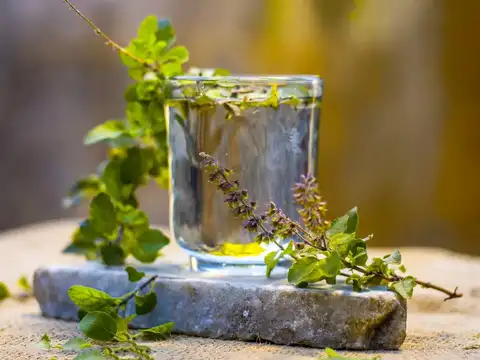
Tulsi is a powerful adaptogen—herbs that help the body cope with physical and emotional stress. It calms the nervous system without sedation, making it ideal for modern, high-stress lifestyles. Neem doesn’t offer these benefits and may be too cooling or intense for regular use in Vata-prone individuals.
5/7
Gut, digestion, and microbial support
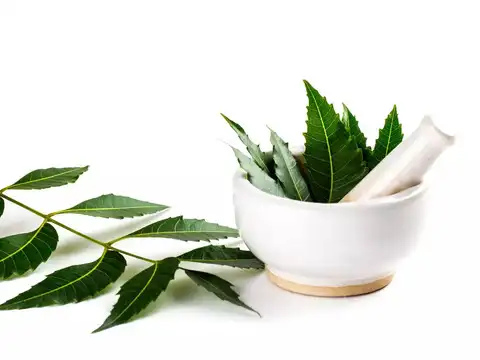
Neem is bitter and anti-parasitic—often used in gut-cleansing protocols or to manage Candida or SIBO-like symptoms. Tulsi, on the other hand, is soothing to the gut, reduces bloating, and can help support digestion without the harshness of neem.

6/7
Versatility and how to use
Tulsi can be taken daily as tea, capsules, or fresh leaves with minimal side effects. Neem is more potent and better used in short cycles or targeted applications (e.g., acne masks, antifungal treatments). Overuse of neem can disrupt gut flora or worsen dryness in some body types.
7/7
So, which herb wins?
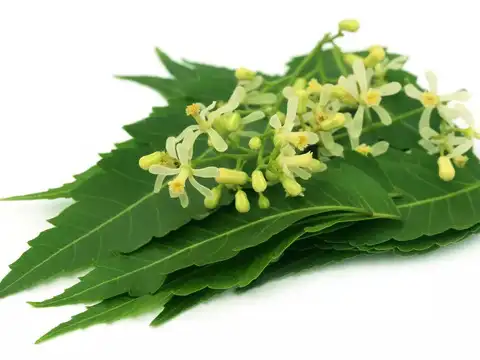
For everyday wellness, stress balance, and immunity: Tulsi is the better choice. Gentle enough for daily use, yet powerful in long-term support.For skin issues, gut cleansing, and targeted detox:Neem takes the crown. Use mindfully for short-term results or under Ayurvedic guidance.
(Disclaimer: This story is for general informational purposes only and does not constitute medical advice. Please consult a registered dietitian or healthcare provider for personalized guidance.)
(Disclaimer: This story is for general informational purposes only and does not constitute medical advice. Please consult a registered dietitian or healthcare provider for personalized guidance.)