
Navratri Day 6: Maa Katyayani, bhog to offer and color to wear
1/7
Day 6: The Warrior Protector
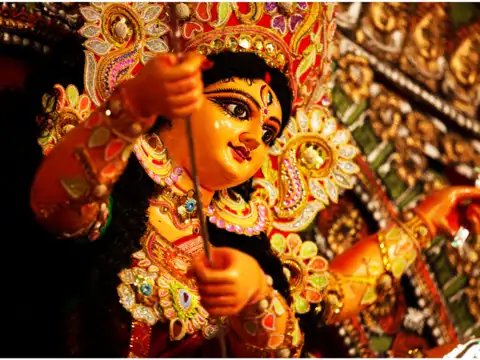
Navratri Day 6 is dedicated to Maa Katyayani, the sixth form of Durga, widely associated with courage, victory over negativity, and blessings for harmony and marriage prospects in traditional lore. Grey is the day’s colour in 2025 guides.
2/7
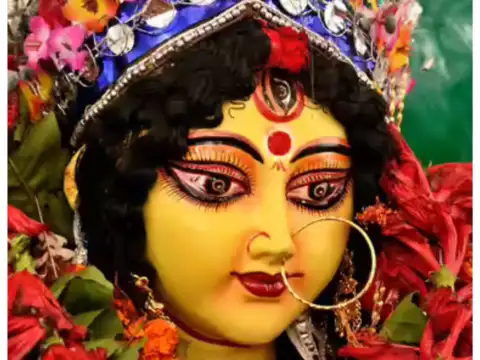
The Goddess: Maa Katyayani
Katyayani is depicted riding a lion with four arms, holding a sword and a lotus, with gestures of protection and boon‑giving, symbolizing fierce strength guided by compassion. Worship centers on dissolving obstacles and invoking resolute courage.

3/7
The Color: Grey
For 2025, multiple day‑wise colour lists assign Grey to Day 6, aligning with Katyayani’s grounded strength and balance. Wearing Grey is seen as inviting steadiness, emotional balance, and disciplined courage throughout the day.
Amazon Top Deals
POWERED BY

4/7
The Sacred Offering (Bhog)
Honey is commonly offered to Maa Katyayani on Day 6 across day‑wise bhog references. Devotees may present honey plain or with simple sweets, symbolizing sweetness, harmony, and balanced energy during worship.
5/7
Her Powerful Mantra
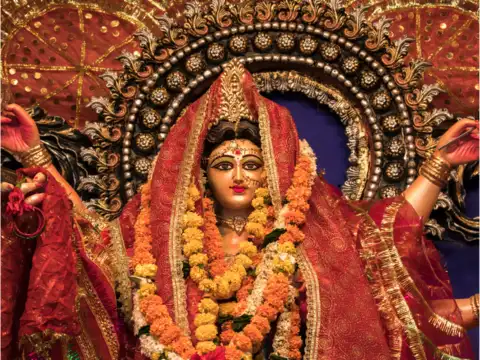
A frequently recited chant for Day 6 is “Om Devi Katyayanyai Namah.” Many also include the traditional Katyayani mantra during puja to invoke protection, clarity, and obstacle removal with focused, steady repetition.
6/7
The Mythological Story
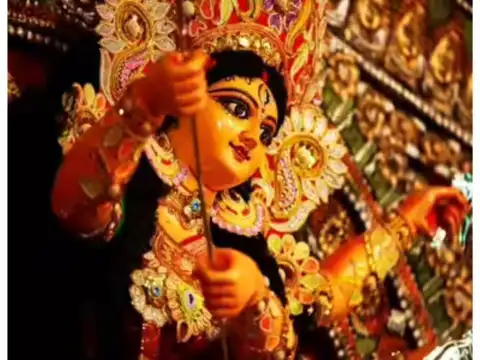
Born of sage Katyayan’s penance to vanquish Mahishasura, Katyayani embodies righteous power and the triumph of dharma. The lion‑riding warrior form emphasizes firm resolve coupled with compassionate intent.
7/7
A Call to Celebrate
Wear Grey to reflect balance and grounded strength, offer honey as bhog, and chant “Om Devi Katyayanyai Namah” with calm focus. If regional customs differ on color or offering, follow family tradition or local temple guidance.(Disclaimer: Rituals, colours, and bhog may vary by region, almanac, and temple tradition.)