
Muscles are your 'sugar managers': Why daily muscle movement is essential for blood glucose control in your body?
1/6
Muscles are your sugar managers
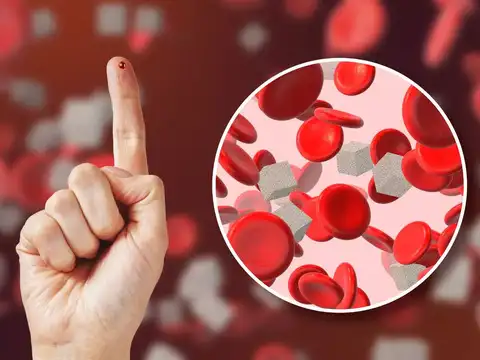
Your muscles consume about four-fifths of all dietary glucose. When active, they pull sugar from your bloodstream directly—bypassing the usual insulin-dependent pathway. This dual-system glucose uptake is why staying physically active protects your metabolic health more reliably than most people realise.

2/6
How muscle contraction grabs glucose (without insulin's help)
When you exercise, muscle fibres trigger GLUT4 transporters—special doorways in cell membranes—to open and let glucose rush in. This contraction-driven mechanism works independently of insulin, meaning active muscles hoover up blood sugar even when insulin levels are low. Effects persist three to six hours post-workout.

3/6
Insulin sensitivity boost and the afterburn effect
Post-exercise, muscles become primed for insulin's signal, absorbing sugar more efficiently for up to forty-eight hours. This "metabolic memory" means a single workout leaves your muscles thirsty for glucose long after you've showered. Aerobic and resistance training both trigger this sensitising effect, though resistance training sustains benefits longer.
Amazon Top Deals
POWERED BY

Crompton Ozone 75 Litres Desert Air Cooler for home | Large & Easy Clean Ice Chamber | 4-Way Air Deflection | High Density Honeycomb Pads | Everlast Pump | Auto Fill| 3 Year Brand Warranty
₹9,798Buy Now43%
OFF

LG 32 L Convection Microwave Oven (MC3286BRUM, Black, 360° Motorised Rotisserie for Bar-be-queing, 301 Auto Cook Menu, Stainless steel cavity, Indian Cuisine, Tandoor Se, Steam Clean & Diet Fry)
₹19,340Buy Now19%
OFF

4/6
Resistance training: Building muscle, crushing blood sugar
Strength training sculpts muscle tissue, increasing its glucose-gulping capacity permanently. Studies confirm resistance exercises slash hemoglobin A1C (three-month average blood sugar) as effectively as cardio—sometimes better. Bigger strength gains yield steeper drops in blood sugar markers, making weight work non-negotiable for diabetes prevention.

5/6
Daily movement matters more than occasional gym days
You needn't train hard. Casual walking, gardening, or stair-climbing activates glucose uptake mechanisms constantly. Lean muscle tissue burns sugar at rest simply by existing. Each muscle fibre you preserve through activity becomes a tiny glucose-consuming engine, protecting you against metabolic decline that typically worsens with age and inactivity.

6/6
Muscle loss accelerates blood sugar problems
Sedentary lifestyles thin out muscle mass, shrinking your body's glucose-absorption capacity. With fewer muscle fibres to sop up sugar, your pancreas compensates by pumping more insulin—until resistance sets in. This vicious loop eventually triggers type two diabetes. Preserving or building muscle is your most potent metabolic insurance.
(Disclaimer: This story is purely for educational purposes only. It does not substitute for professional medical advice nor should it be considered as professional medical advice.)
(Disclaimer: This story is purely for educational purposes only. It does not substitute for professional medical advice nor should it be considered as professional medical advice.)