
Muscle gain diet plan for real results —backed by science

1/7
The simple daily framework
Target 1.6–2.2 g protein/kg bodyweight, a small calorie surplus of 200–300 kcal/day, 3–4 protein-rich meals, 25–40 g high-quality protein per meal, and progressive overload training 3–5 days/week.

2/7
How much to eat (without hard tracking)
Start with bodyweight (kg) × 33–36 kcal for a lean surplus. If weight isn’t up ~0.25–0.5 kg per week after 2 weeks, add ~150–200 kcal/day via carbs or fats and reassess.

3/7
Protein made easy
Center meals on eggs, Greek yogurt/curd, cottage cheese/paneer, chicken/fish/tofu/tempeh, dal/beans plus a scoop of whey/plant protein as needed. Distribute evenly: breakfast, lunch, dinner, and 1 snack or shake.
Amazon Top Deals
POWERED BY


4/7
Carbs drive training
Prioritize carbs around workouts: oats, rice, potatoes, quinoa, millets, fruit, whole grains. Pre-workout 60–120 minutes: carbs + 20–30 g protein. Post-workout within 2 hours: 30–40 g protein + 60–90 g carbs.
5/7
Fats for hormones and calories
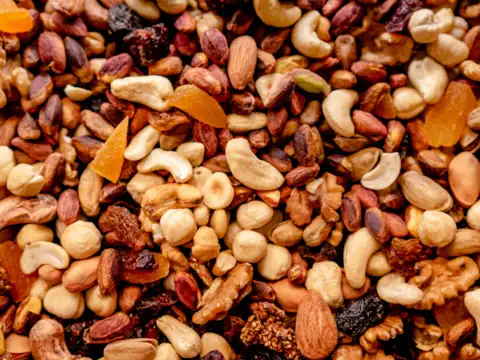
Add olive/mustard oil, nuts, seeds, avocado, whole eggs, dairy. Keep ~0.6–1.0 g fat/kg/day. Use fats to nudge calories up without excessive volume when appetite lags.

6/7
Supplements that help (optional)
Creatine monohydrate 3–5 g daily; whey/plant protein to hit targets; vitamin D if low; omega‑3 if fatty fish rare. Basics beat stacks: protein, creatine, consistency, and good sleep.

7/7
Recovery and tracking
Sleep 7–9 hours, 8–10k steps/day for recovery, and 3–5 hard lifts/week with progressive overload. Track weekly body weight, 3–5 gym lifts, and tape (chest, arms, thighs) to ensure lean gains. Adjust calories if weight gain stalls or rises too quickly.