
MiG‑21: India’s first supersonic fighter jet retires
1/8
MiG‑21 flies into history
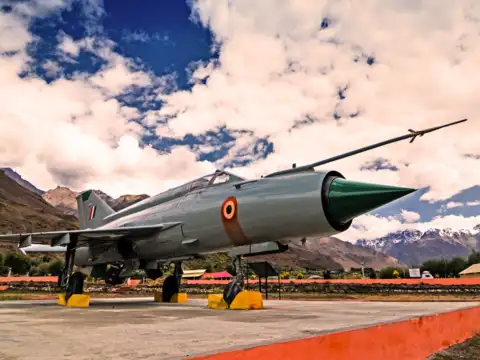
MiG-21, Mikoyan-Gurevich-21, India’s first supersonic fighter became the backbone of IAF squadrons for decades, featuring in every major conflict since induction and symbolizing a rapid modernization phase for air defence and interception roles.
2/8
Induction and modernization
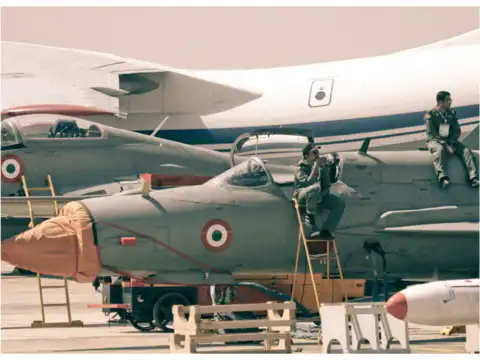
MiG-21 stands for Mikoyan-Gurevich-21, named after Soviet aircraft designers Artem Mikoyan and Mikhail Gurevich; it was designed by the Mikoyan-Gurevich Design Bureau in the former Soviet Union and later operated by the Indian Air Force. The IAF introduced the MiG‑21 in the early 1960s as part of a sweeping modernization that re‑equipped squadrons and phased out older platforms, with the MiG‑21FL strengthening interception and air combat capability ahead of the 1971 war.
3/8
1971 war impact
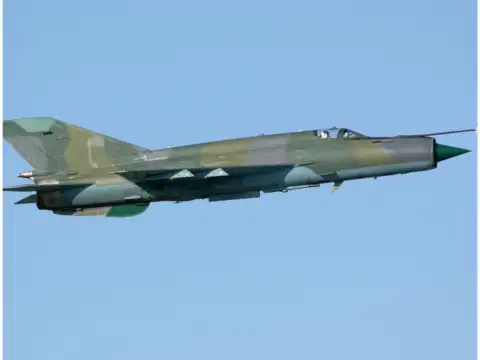
By 1971, MiG‑21‑equipped squadrons helped the IAF achieve air superiority and conduct effective strike and interception missions, contributing decisively during a period when the force flew thousands of sorties across theatres.
Amazon Top Deals
POWERED BY

4/8
Kargil operations
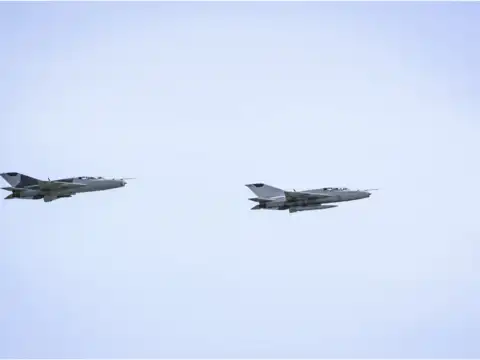
During Operation Safed Sagar in 1999, No. 17 Squadron operating MiG‑21 Type 96 from Bhisiana undertook reconnaissance and strike missions at high altitude; the unit was awarded Battle Honours for its service in the conflict.
5/8
Upgrades to Bison
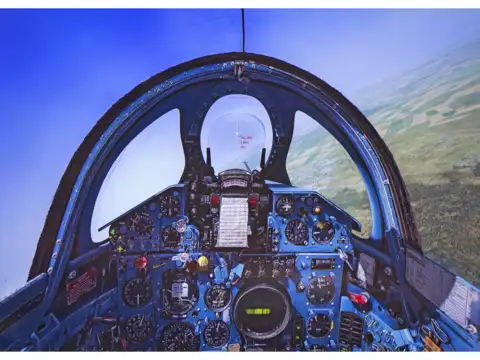
In 2000, the IAF upgraded Type‑75 airframes to MiG‑21 Bison standard with modern radar, electronic warfare suites, and compatibility with beyond‑visual‑range and close‑combat missiles, extending frontline relevance of the platform.
6/8
Training and culture
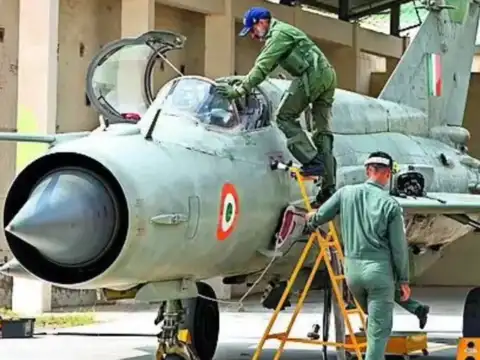
The MiG‑21’s simple controls, powerful engine, and agile delta‑wing design made it a demanding yet respected trainer of generations of IAF fighter aircrew, underpinning squadron professionalism and tactics development over decades.
7/8
Transition planning
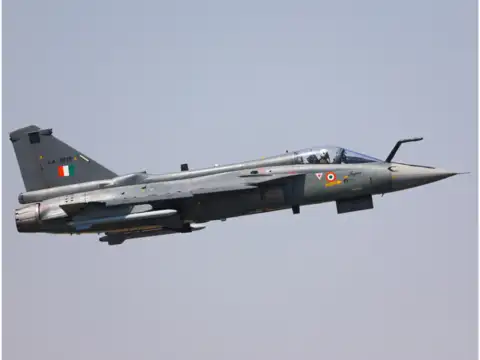
Indigenous Tejas variants were planned to replace aging MiG‑21 fleets; procurement and basing plans have been aligned to phase out legacy types and bolster capability at forward operating bases along priority sectors.
8/8
End of an era
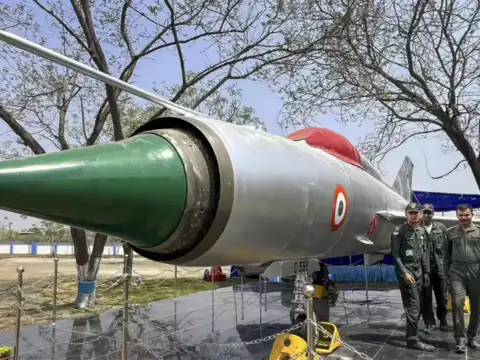
The IAF prepared to retire remaining MiG‑21 squadrons after more than six decades in service, marking the end of an era for India’s first supersonic interceptor and a mainstay of national air defence.