
Mediterranean Diet is overrated? 6 powerful Indian alternatives for Mediterranean favourites
1/7
Indian food swaps for Mediterranean foods
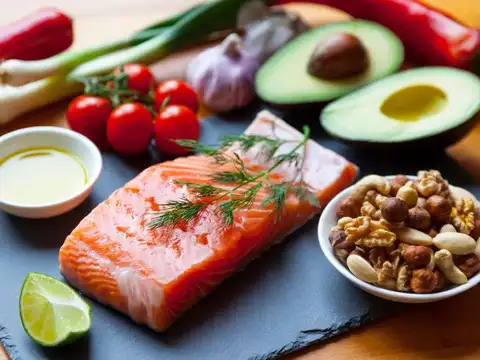
Mediterranean eating is great for heart and metabolic health, but its key ideas—more plants, good fats, whole grains, beans, and nuts—can be matched with Indian ingredients that are fresher, cheaper, and easy to find. These six swaps keep the same health benefits, in a way that suits Indian kitchens and taste.
2/7
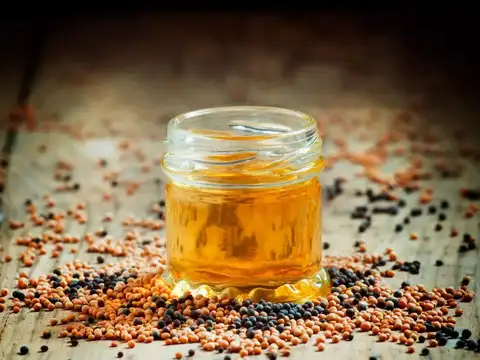
Swap olive oil with mustard oil or sesame oil
Extra-virgin olive oil is famous for monounsaturated fats and polyphenols; in India, use cold‑pressed mustard oil (kacchi ghani) or sesame (til) oil for similar “good fat” benefits.Why it works : These oils have heart‑friendly fats that help improve cholesterol balance and reduce inflammation, which supports arteries and blood pressure.How to use: Mustard oil for stir‑fries, tadka, and marinades; sesame oil for salads, chutneys, podi mixes, and light sauté. Keep heat moderate; buy cold‑pressed for best flavor and nutrients.
3/7
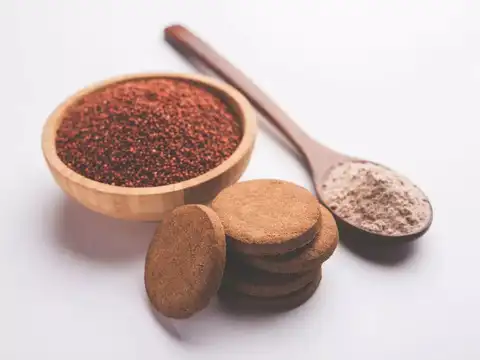
Swap quinoa with rajgira (amaranth) or ragi (finger millet)
Quinoa is a high‑protein pseudo‑cereal; rajgira (amaranth) and ragi give similar or better fiber and minerals, and they are naturally gluten‑free.Why it works: Amaranth and ragi support steady energy and gut health due to fiber and micronutrients like iron and calcium; protein helps fullness and muscle repair.How to use: Amaranth khichdi, upma, or flour added to roti batter; ragi dosa, ragi porridge, or ragi rotis for breakfast or dinner.
Amazon Top Deals
POWERED BY

Crompton Ozone 75 Litres Desert Air Cooler for home | Large & Easy Clean Ice Chamber | 4-Way Air Deflection | High Density Honeycomb Pads | Everlast Pump | Auto Fill| 3 Year Brand Warranty
₹9,798Buy Now43%
OFF

LG 32 L Convection Microwave Oven (MC3286BRUM, Black, 360° Motorised Rotisserie for Bar-be-queing, 301 Auto Cook Menu, Stainless steel cavity, Indian Cuisine, Tandoor Se, Steam Clean & Diet Fry)
₹19,340Buy Now19%
OFF
4/7
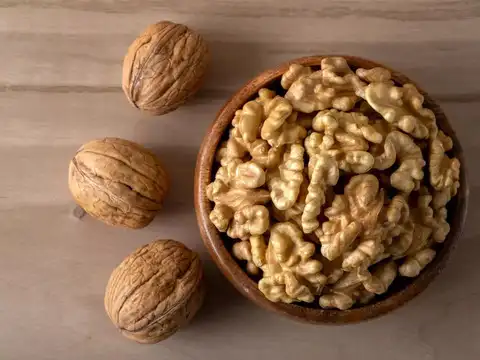
Swap salmon with flaxseed and walnut for omega‑3
Salmon gives omega‑3 fats (eicosapentaenoic acid and docosahexaenoic acid). In vegetarian India, use flaxseed and walnut for alpha‑linolenic acid (the plant omega‑3).Why it works: Omega‑3 fats help the heart by calming inflammation and supporting blood flow; the body can convert some alpha‑linolenic acid to the active forms, though less efficiently—regular intake still helps.How to use: 1–2 teaspoons roasted, ground flaxseed daily in curd, salads, or atta; a small handful of walnuts as a snack or topping.
5/7
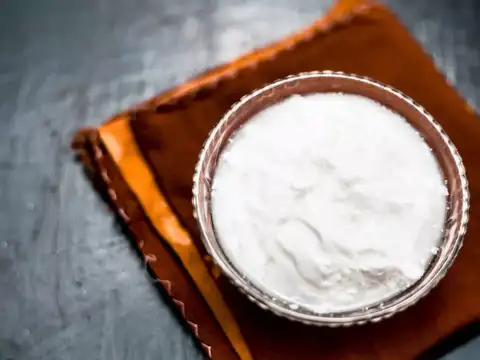
Swap Greek yogurt with set dahi (curd) or hung curd
Greek yogurt is thick and high in protein; hung curd or well‑set dahi gives similar protein and live cultures (probiotics) for gut and immunity.Why it works: Probiotics support digestion and may improve nutrient absorption; protein keeps you full and supports weight control.How to use: Strain dahi for 30–60 minutes to make hung curd; use in raita, dips, smoothies, or as a base for overnight oats and fruit bowls.
6/7
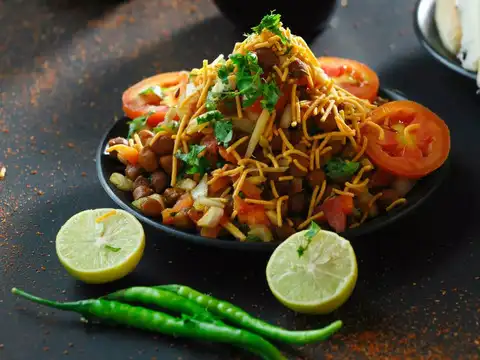
Swap hummus with chana chaat or desi hummus
Hummus uses chickpeas (garbanzo beans) and tahini (sesame) for protein, fiber, and healthy fats; chana (chickpea) dishes do the same.Why it works: Chickpeas stabilize blood sugar, improve fullness, and support heart health due to fiber and minerals; sesame adds good fats and calcium.How to use: Make hummus at home with boiled chana + sesame paste + lemon + garlic; or toss chana chaat with onions, tomatoes, lemon, and a spoon of sesame or olive‑style oil.
7/7
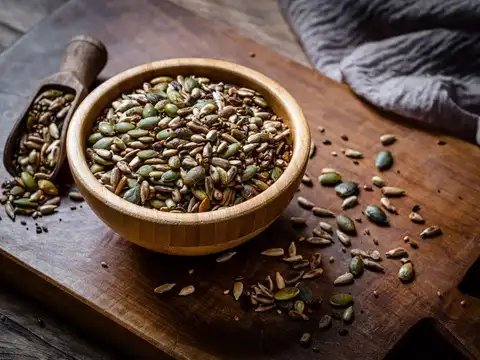
Swap mixed Mediterranean nuts with Indian nut‑seed mix
Almonds, pistachios, and pine nuts are classic; in India, use almonds, peanuts, pistachios, plus seeds like pumpkin, sesame, and sunflower.Why it works: Nuts and seeds provide healthy fats, protein, magnesium, and vitamin E that support heart, brain, and skin; they help reduce “bad” low‑density lipoprotein (LDL) cholesterol.How to use: A closed handful (about 28 grams) daily; dry‑roast seeds and mix with chopped nuts and a pinch of rock salt and mirch for a ready snack.
(Disclaimer: This story is not for professional medical advice and does not substitute any medical advice. This is strictly for educational purposes alone.)
(Disclaimer: This story is not for professional medical advice and does not substitute any medical advice. This is strictly for educational purposes alone.)