
Matcha latte vs coffee latte: caffeine, calories and more. Which is healthier for you?
1/7
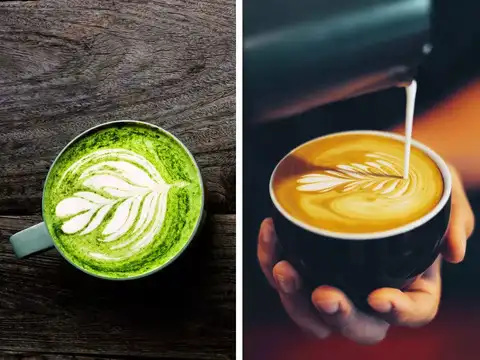
Matcha latte vs coffee latte
A traditional matcha latte does not contain coffee; it is made by combining ground green tea powder, water, and milk. A coffee latte is made with espresso and milk. This compares a 240 millilitres cup of matcha latte and coffee latte for calories, carbohydrates, protein, fat, and caffeine
2/7
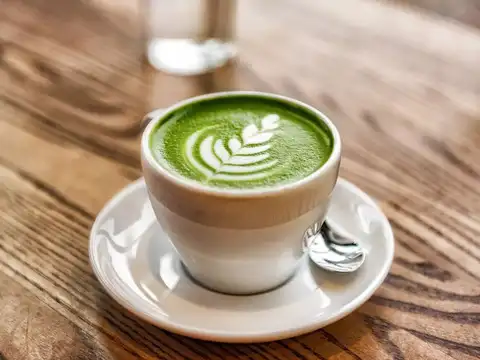
Calories per 240 millilitres
Coffee latte with milk only is usually around 68 to 130 kilocalories per 240 millilitres. Matcha latte ranges widely from about 110 to 240 kilocalories depending on milk and sweetener. Unsweetened options are leaner.

3/7
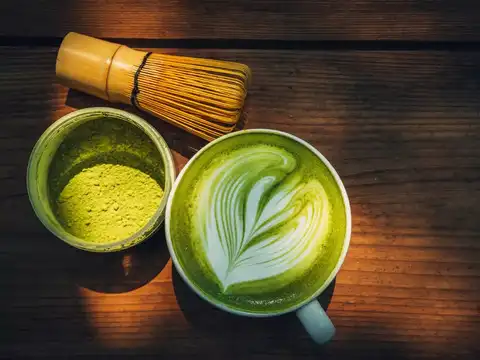
Carbohydrates per 240 millilitres
Coffee latte with no sugar has about 10 to 22 grams of carbohydrates. Matcha latte often lands around 12 to 36 grams when sweetened. Unsweetened versions will be lower. Oat milk raises carbohydrates more than dairy.
Amazon Top Deals
POWERED BY

Crompton Ozone 75 Litres Desert Air Cooler for home | Large & Easy Clean Ice Chamber | 4-Way Air Deflection | High Density Honeycomb Pads | Everlast Pump | Auto Fill| 3 Year Brand Warranty
₹9,798Buy Now43%
OFF

LG 32 L Convection Microwave Oven (MC3286BRUM, Black, 360° Motorised Rotisserie for Bar-be-queing, 301 Auto Cook Menu, Stainless steel cavity, Indian Cuisine, Tandoor Se, Steam Clean & Diet Fry)
₹18,780Buy Now22%
OFF
4/7
Protein per 240 millilitres
Dairy coffee latte gives roughly 4 to 10 grams of protein per cup. Dairy matcha latte is similar when milk amounts match. Plant milks without protein fortification will be lower.

5/7
Fat per 240 millilitres
With dairy milk, fat is driven by the milk type. A 240 millilitres latte can have about 3.5 to 6 grams fat with dairy. Plant milks vary. Coconut milk raises fat. Skim milk keeps it very low.
6/7
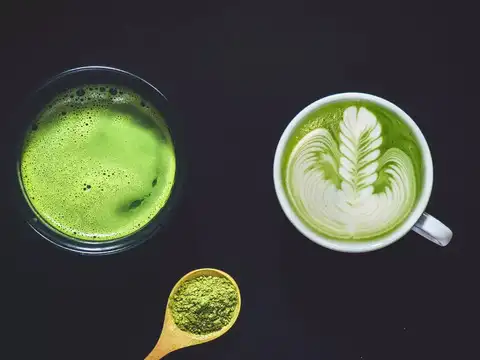
Caffeine per 240 millilitres
Matcha latte caffeine depends on powder used. A serving with 2 to 4 grams matcha can be about 40 to 80 milligrams or higher. Coffee latte from brewed coffee is usually about 80 to 100 milligrams in 240 millilitres.

7/7
Antioxidants and the verdict
Matcha has catechins like epigallocatechin gallate which support antioxidant defences. Coffee has chlorogenic acids which also support heart and metabolic health markers. Both can be beneficial when sugar is limited. If you want less caffeine, pick a light matcha dose or decaf coffee. For weight goals, choose unsweetened milk, go small, and skip syrups. For antioxidants with steadier feel, matcha is gentle. For a stronger kick, coffee delivers.
(Disclaimer: This story is strictly for educational purposes only and does not substitute any professional medical advice and should not be considered as professional medical advice.)
(Disclaimer: This story is strictly for educational purposes only and does not substitute any professional medical advice and should not be considered as professional medical advice.)