
Male pattern baldness: what you should know before it starts
1/7
What Is Male Pattern Baldness?
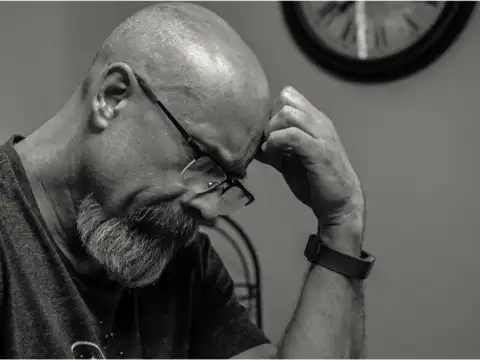
Male pattern baldness, or androgenetic alopecia, is a hereditary condition that causes progressive hair thinning in men. It often begins with a receding hairline or thinning at the crown, eventually leading to baldness if untreated.

2/7
Genetics Play a Big Role
If male relatives on either side of your family experienced hair loss, your chances are higher. The condition is strongly inherited and often begins as early as the late 20s or 30s.

3/7
Hormones Are Involved Too
DHT (dihydrotestosterone), a by-product of testosterone, attaches to hair follicles and shrinks them over time. This shortens the hair growth cycle, causing thinner, weaker hair that eventually stops growing.
Amazon Top Deals
POWERED BY

4/7
Watch for Early Signs
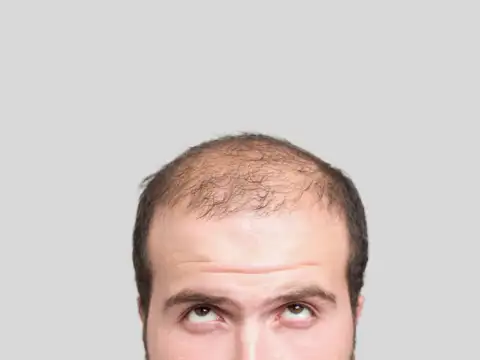
Look out for a slowly receding hairline, thinning at the crown, or increased hair fall while combing or showering. Catching these signs early gives you more treatment options.

5/7
Your Lifestyle Can Make It Worse
Stress, poor nutrition, smoking, and inadequate sleep can worsen genetic hair loss. A sedentary lifestyle or crash diets may also deprive your scalp of essential nutrients needed for hair growth.

6/7
What Treatments Actually Work?
FDA-approved options like Minoxidil (topical) and Finasteride (oral) can slow hair loss. Advanced treatments like PRP therapy and hair transplants may restore density, but early use yields better results.

7/7
Act Early for Better Results
The earlier you take action, the better your chances of retaining hair. Regular check-ups with a dermatologist, balanced diet, and avoiding self-medication are all part of effective hair care.