
Liver health: 5 foods that protect your liver from inflammation
1/6
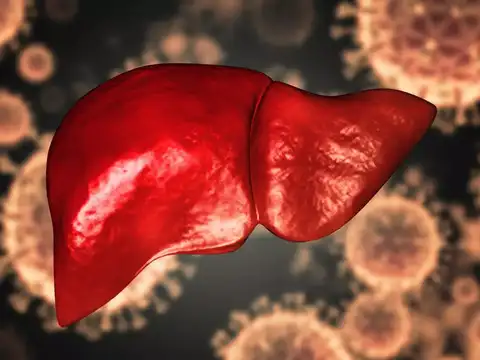
Food as liver support
Lowering hepatic inflammation relies on patterns that reduce oxidative stress, improve insulin sensitivity, and curb fat buildup in the liver, not quick fixes or “detox” myths.

2/6
Coffee (2–3 cups/day)
Why it helps: Coffee’s caffeine, chlorogenic acids, and diterpenes show antioxidant, anti‑inflammatory, and antifibrotic effects, with consistent links to lower liver enzymes and reduced risk of cirrhosis and hepatocellular carcinoma.How to use: Prefer filtered, unsweetened coffee to limit added sugars and choose moderation if sensitive to caffeine or if advised otherwise by a clinician
3/6
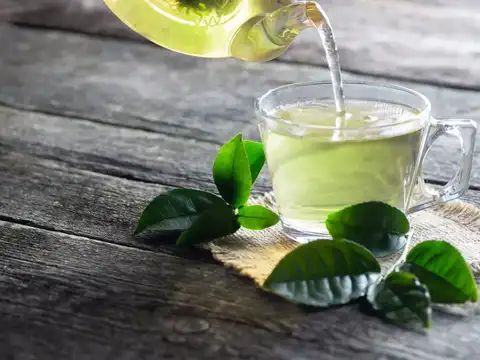
Green tea (catechin‑rich)
Why it helps: Green tea catechins may support lower oxidative stress and modestly improve enzymes in some NAFLD populations, though trial results are mixed across meta‑analyses.How to use: Aim for brewed, unsweetened green tea and avoid high‑dose extracts unless supervised, as whole‑beverage intake is the best‑studied approach.
Amazon Top Deals
POWERED BY

Crompton Ozone 75 Litres Desert Air Cooler for home | Large & Easy Clean Ice Chamber | 4-Way Air Deflection | High Density Honeycomb Pads | Everlast Pump | Auto Fill| 3 Year Brand Warranty
₹9,798Buy Now43%
OFF

LG 32 L Convection Microwave Oven (MC3286BRUM, Black, 360° Motorised Rotisserie for Bar-be-queing, 301 Auto Cook Menu, Stainless steel cavity, Indian Cuisine, Tandoor Se, Steam Clean & Diet Fry)
₹18,780Buy Now22%
OFF
4/6
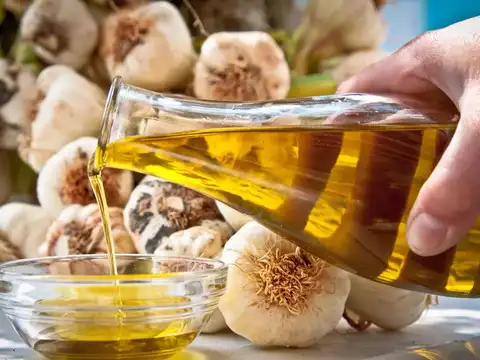
Extra‑virgin olive oil
Why it helps: Diets emphasizing olive oil correlate with lower hepatic fat and oxidative stress and improved liver function within Mediterranean‑style patterns.How to use: Replace ghee/shortening in sautéing and dressings with 1–2 tablespoons/day EVOO, watching total calories to support weight and metabolic goals.
5/6
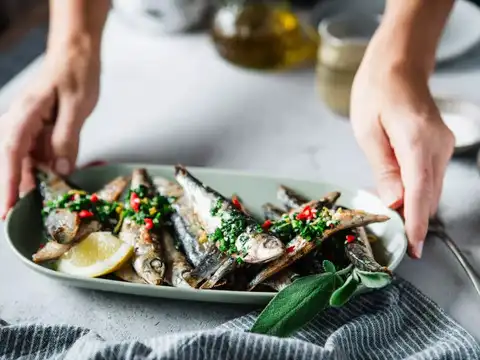
Fatty fish and omega‑3s
Why it helps: Omega‑3 fatty acids from oily fish are linked with improved triglycerides and steatosis parameters, supporting inflammatory balance and liver health.How to use: Include salmon, sardines, mackerel, or hilsa 2–3 times per week, or consider dietitian‑guided omega‑3 intake if vegetarian.
6/6
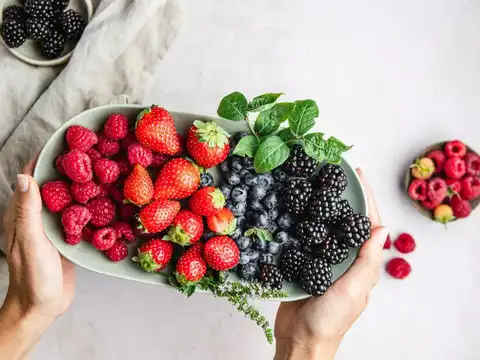
Berries and colorful produce
Why it helps: Anthocyanins, vitamin C, and other polyphenols in berries and colorful fruit/veg associate with lower inflammation and oxidative stress in liver disease contexts.How to use: Add 1 cup berries to breakfast or snacks and fill half the plate with varied vegetables to broaden antioxidant intake daily.
(Disclaimer: This is not professional medical advice and does not substitute medical advice.)
(Disclaimer: This is not professional medical advice and does not substitute medical advice.)