
Like Aneet Padda’s role in Saiyaara—could Alzheimer’s really strike that early?

1/7
What experts say
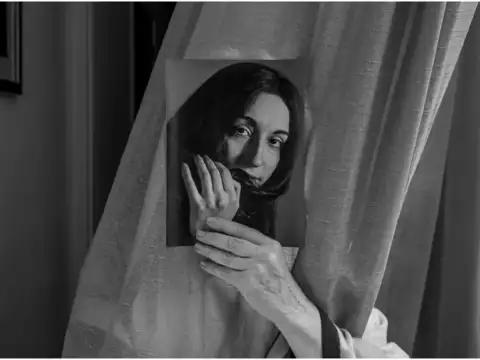
Doctors call such young Alzheimer’s cases extremely rare. Most early-onset cases appear only after age 40—sometimes 30s, almost never younger.
2/7
What actually causes early Alzheimer’s?
In rare cases, inherited gene mutations like PSEN1 or APP may trigger early-onset Alzheimer’s. But these run in specific families—and even then, symptoms begin much later than in Saiyaara.

3/7
Real early signs to know
Alzheimer’s begins with short-term memory loss, difficulty planning, confusion with places or words—not sudden, complete memory breakdown as often shown in films.
Amazon Top Deals
POWERED BY

Crompton Ozone 75 Litres Desert Air Cooler for home | Large & Easy Clean Ice Chamber | 4-Way Air Deflection | High Density Honeycomb Pads | Everlast Pump | Auto Fill| 3 Year Brand Warranty
₹9,999Buy Now42%
OFF

LG 32 L Convection Microwave Oven (MC3286BRUM, Black, 360° Motorised Rotisserie for Bar-be-queing, 301 Auto Cook Menu, Stainless steel cavity, Indian Cuisine, Tandoor Se, Steam Clean & Diet Fry)
₹19,090Buy Now20%
OFF

4/7
What young forgetfulness really means
Forgetfulness in your 20s is usually not Alzheimer’s. It’s more likely stress, poor sleep, screen overload, or nutrient deficiencies—not neurodegeneration.
5/7
But why are early cases rising?
Between 2013 and 2023, diagnoses of early-onset dementia (ages 30–64) rose sharply. But this is often due to better detection—not an actual spike in young people developing it.

6/7
How to protect your brain—early
Start young: exercise, eat whole foods, manage stress, sleep 7–8 hours, and stay mentally active. These habits support brain health decades before Alzheimer’s ever appears.

7/7
The takeaway
Alzheimer’s in someone like Aneet Padda’s character is almost unheard of. But the film starts a needed conversation. Instead of panic—start with lifestyle, family history, and early awareness.