
Leg pain while walking? It’s not just age — it could be peripheral artery disease
1/5
Why leg pain needs a second look
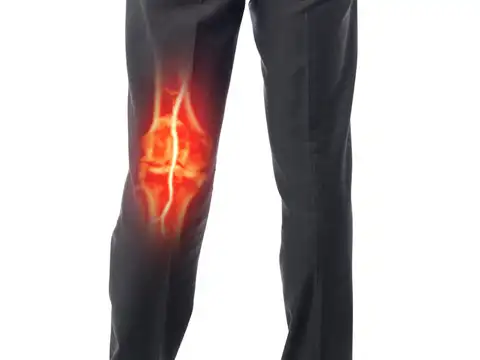
If your calves ache or cramp when you walk and ease with rest, it might be claudication — a hallmark of Peripheral Artery Disease (PAD), not just “old age.” Catching PAD early matters because it signals artery disease elsewhere and higher heart–stroke risk; the good news: it’s diagnosable and treatable.
2/5
What PAD is
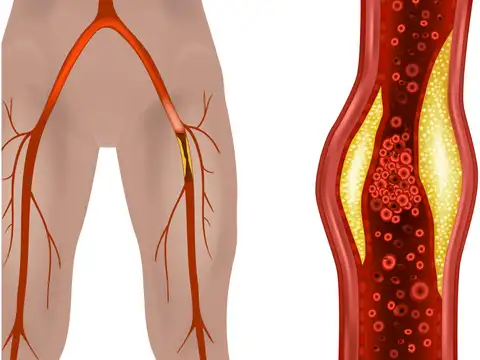
PAD is a buildup of plaque that narrows arteries in the legs, reducing blood flow during activity; muscles demand more oxygen when you walk, so pain shows up then and fades at rest. Think of it as “coronary artery disease of the legs,” with similar risk factors and prevention strategies.

3/5
Classic symptoms you shouldn’t ignore
Exertional calf pain or cramps that stop with rest (claudication). Numbness, weakness, or cold feet; slow‑healing sores on toes/feet. Shiny skin, hair loss on legs, weak pulses; severe night/rest pain in advanced diseaseNote: Neuropathy or spine issues can mimic PAD; a clinician can sort this out quickly.
Amazon Top Deals
POWERED BY


4/5
Who’s at risk
Higher risk if you: smoke (current or past), have diabetes, high blood pressure, high LDL, kidney disease, are over 60, or have cardiovascular disease. Women and people with South Asian ancestry are also at risk; family history raises odds—screen sooner if multiple factors apply.

5/5
First‑line treatment that works
Lifestyle: quit smoking, structured walking 30–45 minutes, 3×/week (supervised programs are best), weight, BP, glucose control, statin therapy to lower LDL, antiplatelet (as advised by clinician). Pain while walking? Interval walking (walk to moderate pain, rest, repeat) gradually increases distance; many improve within 12 weeks.
(Disclaimer: This is educational and not medical advice.)
(Disclaimer: This is educational and not medical advice.)