
Dietitian Reveals Korean Food Secrets for Glowing Skin

1/8
What Makes Korean Skin So Flawless?
Dietitian Sonia Narang breaks down the Korean diet that creates enviable skin from within. It's not just K-beauty products it's what they eat. Here are the staples that keep Korean skin radiant, youthful, and glowing.

2/8
Hydration: They Drink AND Eat Their Water
Sonia explains Koreans don't just drink water they eat hydration through cucumbers, watermelon, and water-rich foods. This constant hydration keeps skin plump, healthy, and glowing from the inside out. Moisture isn't optional; it's essential always.

3/8
Fermented Foods: Kimchi at Every Meal
Amazon Top Deals
POWERED BY

4/8
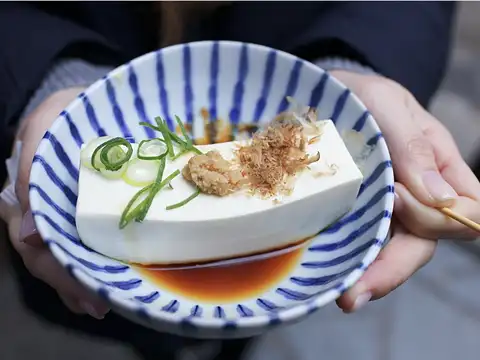
Fish and Tofu: Omega-3 and Collagen Power

5/8
Vegetables in Abundance
A lot of vegetables that's another Korean staple she emphasizes. Fiber, vitamins, antioxidants, and nutrients flood their diet daily. Vegetables fight inflammation, support skin health, and keep aging at bay naturally through food, not supplements.

6/8
Gut Health Equals Skin Health
Her key takeaway: your gut microbiome controls your skin. Feed it probiotics through kimchi, nourish it with omega-3, hydrate constantly, and load up on vegetables. When your gut is happy, your skin reflects that happiness visibly and beautifully.

7/8
You Don't Need K-Beauty, You Need K-Diet
Dietitian Sonia Narang's message is clear: Korean skin isn't just genetics or products. It's kimchi, fish, tofu, hydration, and vegetables working together. Want glowing skin? Start eating like a Korean. Your face will thank you later.

8/8
The Real Korean Skincare Routine Is in Your Kitchen
From fermented kimchi to omega-3 fish, hydrating cucumbers to gut-loving probiotics Sonia Narang reveals that Korean glow comes from the plate, not just the bathroom shelf. Feed your body right, and radiant skin always follows naturally.
- Disclaimer: The information provided in this content is for general awareness only and should not be considered a substitute for professional medical advice, diagnosis, or treatment. Always seek the guidance of a qualified healthcare provider or your own doctor with any questions you may have regarding a medical condition or health concerns. ET bears no responsibility for the accuracy, completeness, or outcomes arising from the use of this information.