
Knee pain could signal deeper issues: what are they and what you can do about it
1/7
Where Knee Pain Begins
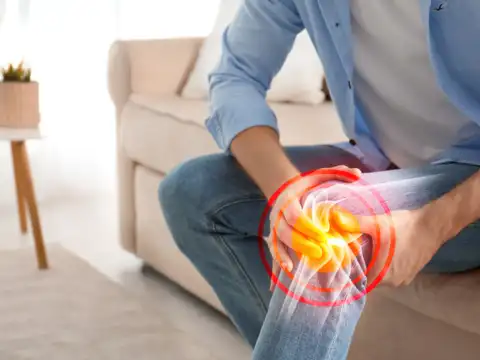
Your knees support every move you make—and when they hurt, it’s often a sign of deeper issues. Knee pain can stem from injury, overuse, age-related wear, arthritis, and more.
2/7
Injuries That Trigger Pain
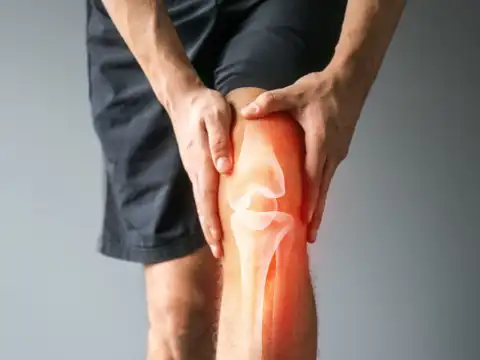
Sudden accidents or repetitive strain can damage essential knee structures like ligaments and cartilage. Examples include ACL tears and meniscus injuries, common in sports or physical jobs.
3/7
Wear, Tear & Overuse
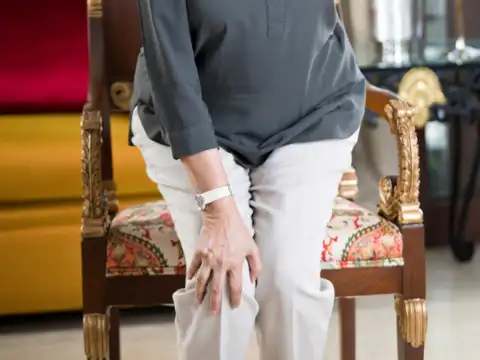
Daily stress, especially from repetitive movements, can erode knee cartilage. Athletes and older adults often experience chronic pain due to joint strain and overuse.
Amazon Top Deals
POWERED BY

Crompton Ozone 75 Litres Desert Air Cooler for home | Large & Easy Clean Ice Chamber | 4-Way Air Deflection | High Density Honeycomb Pads | Everlast Pump | Auto Fill| 3 Year Brand Warranty
₹9,798Buy Now43%
OFF

LG 32 L Convection Microwave Oven (MC3286BRUM, Black, 360° Motorised Rotisserie for Bar-be-queing, 301 Auto Cook Menu, Stainless steel cavity, Indian Cuisine, Tandoor Se, Steam Clean & Diet Fry)
₹19,340Buy Now19%
OFF

4/7
Arthritis: Age or Autoimmune
Osteoarthritis wears down joint cushioning, while rheumatoid arthritis inflames tissue, both leading to chronic pain, stiffness, and reduced mobility.
5/7
Specialized Syndromes
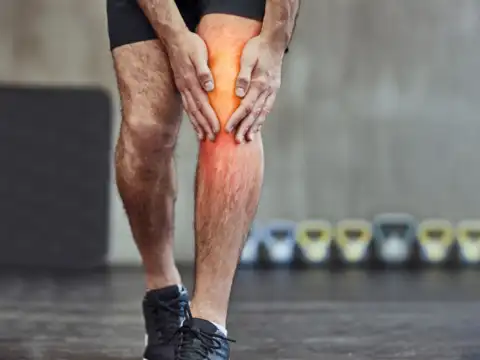
Conditions like patellofemoral pain syndrome (“runner’s knee”) and iliotibial band syndrome target specific areas—front or side of the knee—often worsening with activity.
6/7
Less Common, But Serious Causes
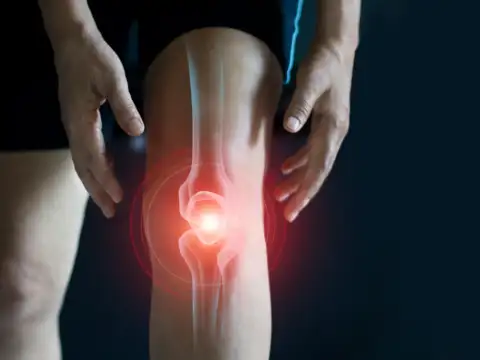
Fluid-filled Baker’s cysts, infected or swollen bursae, and disorders like gout or lupus can also manifest as knee pain—sometimes hinting at deeper issues.
7/7
Identifying Your Knee Pain
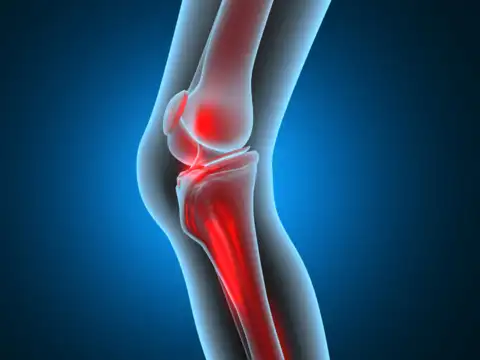
Knowing where you feel pain (front, back, inside, outside) and what triggers it helps pinpoint the cause. This guide can prepare you for smarter doctor conversations and quicker relief.