
King Cobra: Key differences that set males and females apart

1/5
Size
Male king cobras grow larger than females, reaching over 5 meters, while females remain smaller. This size difference helps males dominate during combat and enhances their ability to control larger territories.

2/5
Tail Structure
Males have longer, thicker tails due to their internal reproductive organs, while females have shorter, tapered tails. This distinction is crucial for identifying their sex without invasive handling methods.

3/5
Behavior
Male king cobras are territorial, engaging in combat dances during mating season. Females, however, uniquely build and guard nests, ensuring egg safety—an unusual trait among snakes, showcasing maternal instincts.
Amazon Top Deals
POWERED BY

4/5
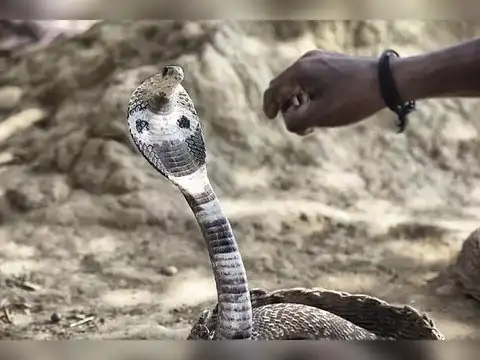
Head Shape
Male king cobras generally have broader, more elongated heads, while females have slightly narrower heads. This difference is subtle but can be observed in mature individuals, especially in close comparison.

5/5
Aggression Levels
Males tend to be more aggressive, particularly during the breeding season when they fight rivals for mates. Females, though protective of their nests, are usually less confrontational unless provoked.