
Just 3 minutes of screen time before sleep? "No deep sleep..." warns Harvard
1/7
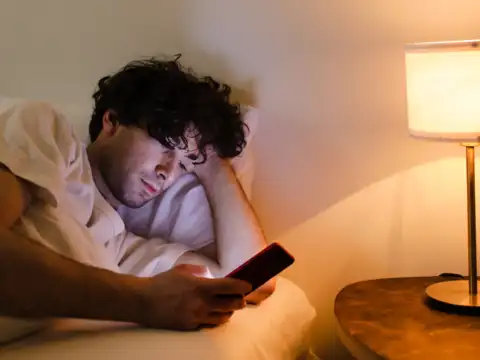
The problem in one glance
Blue‑light–rich phone screens before bed suppress melatonin and nudge the body clock later, which can delay sleep onset and trim deep, restorative sleep the same night.

2/7
Why “just a few minutes” still matters
Melatonin responds quickly to evening light, and even short, bright exposures near bedtime can meaningfully reduce its levels and shift circadian timing toward later sleep.

3/7
What Harvard-linked research shows
In-lab work found ordinary room light before bed reduced presleep melatonin by 71% and shortened melatonin duration by about 90 minutes, altering sleep biology that underpins deep sleep.
Amazon Top Deals
POWERED BY

4/7
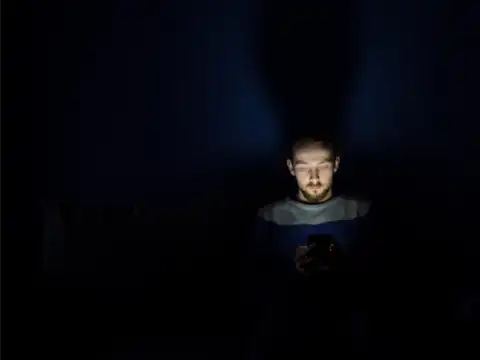
Screens vs paper at night
Using a light‑emitting e‑reader in the evening increased alertness, delayed sleep onset, and impaired next‑morning alertness compared with reading print under dim light, consistent with melatonin suppression.

5/7
The blue light effect
Short‑wavelength light has a stronger impact on the brain’s master clock than other wavelengths at night, making phones and tablets particularly disruptive without filtering or dimming.

6/7
Make your phone less harmful tonight
Dim brightness, enable warm/night modes, and keep the screen further from the eyes; each step reduces retinal illuminance and melatonin suppression risk before bed.

7/7
A better nightly routine
Set a screen‑off window 30–60 minutes before bedtime, swap to paper or audio, and keep bedroom lighting low and warm to protect deep sleep and next‑day alertness.