
Isabgol: Why psyllium husk is considered a natural remedy for cholesterol; Dosage, benefits & precautions
1/5
The traditional power of isabgol
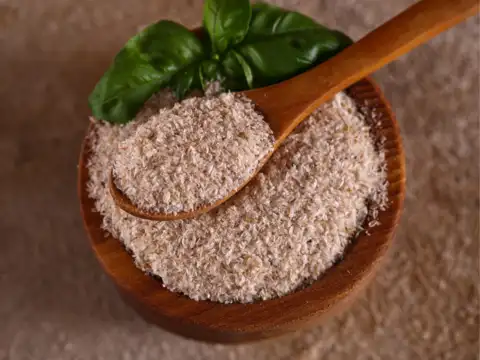
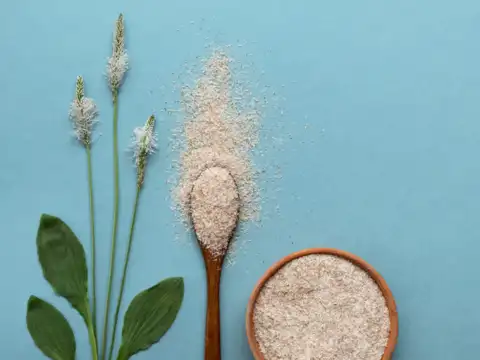
Isabgol, also known as psyllium husk, comes from the seeds of Plantago ovata, a plant grown in India and Iran. For centuries, it has been a trusted remedy in Ayurveda to ease constipation and improve digestion. When mixed with water, the husk swells into a gel-like fibre that supports gut health. In modern times, this age-old remedy is also gaining recognition as a natural way to lower cholesterol and support heart wellness.
2/5
How isabgol helps lower cholesterol
The secret lies in its soluble fibre. Once inside the gut, isabgol forms a soft gel that binds to cholesterol, bile acids and fats. Instead of being reabsorbed, this mixture is expelled from the body. To replace lost bile, the liver draws cholesterol from the blood, which gradually lowers LDL or “bad” cholesterol. Studies have shown that taking around 10 g of psyllium daily can reduce LDL cholesterol by about 13 mg/dL, proving its role as a gentle but effective heart-health supplement.

3/5
Right dosage for cholesterol control
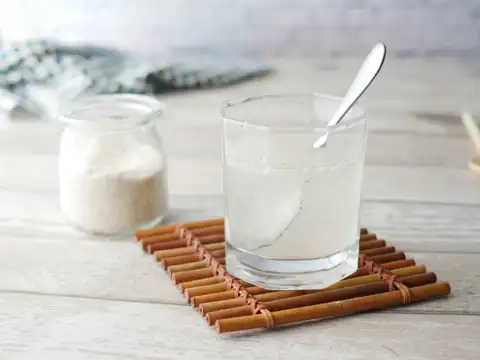
For best results, health experts recommend 5–10 g of isabgol taken once or twice a day, usually totalling 10–20 g daily. In everyday terms, this equals one to two teaspoons of husk stirred into water or juice, taken before or after meals. A second glass of water should always follow, since the husk absorbs many times its weight. Consistency is key: cholesterol changes may take a few weeks to show, and starting with smaller amounts can help reduce bloating or discomfort.
Amazon Top Deals
POWERED BY

Crompton Ozone 75 Litres Desert Air Cooler for home | Large & Easy Clean Ice Chamber | 4-Way Air Deflection | High Density Honeycomb Pads | Everlast Pump | Auto Fill| 3 Year Brand Warranty
₹9,798Buy Now43%
OFF

LG 32 L Convection Microwave Oven (MC3286BRUM, Black, 360° Motorised Rotisserie for Bar-be-queing, 301 Auto Cook Menu, Stainless steel cavity, Indian Cuisine, Tandoor Se, Steam Clean & Diet Fry)
₹19,340Buy Now19%
OFF
4/5
Beyond cholesterol: Other benefits of isabgol
The goodness of isabgol does not stop at cholesterol. Its bulking action makes it a go-to remedy for constipation and irritable bowel symptoms. It can also slow down digestion, keeping you fuller for longer, which may support weight loss. People with type 2 diabetes often use isabgol before meals, as it helps regulate blood sugar and reduce spikes. In short, this simple husk supports digestion, weight management, sugar balance and heart health.

5/5
Precautions to keep in mind
Though safe for most people, isabgol must always be taken with plenty of water. Without enough fluid, it can swell and cause choking or blockage. It is also best to take it two hours apart from other medicines, as it may reduce absorption. Side effects like gas or mild cramps are common in the beginning but usually settle with time. Those with swallowing problems, intestinal issues or serious health conditions should consult a doctor first. Pregnant women too should seek medical advice before use.