
Is not drinking enough water really that bad? Top 7 immediate causes of kidney failure you may not know
1/6
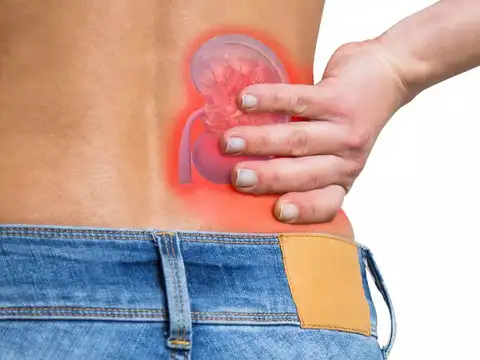
When kidneys crash without warning
Kidneys can fail fast when blood flow drops, toxins pile up, or urine gets trapped. Recognizing these triggers early means the difference between reversible damage and permanent dialysis dependence. Here are five culprits behind sudden kidney breakdown.

2/6
Severe dehydration and blood loss
When fluid levels plummet from vomiting, diarrhea, burns, or bleeding, blood pressure collapses. Kidneys starve for oxygen and nutrients, shutting down filtration. Rapid rehydration through intravenous fluids often reverses damage if caught within hours.
3/6
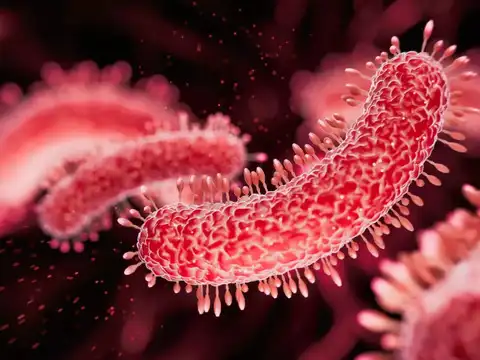
Sepsis and overwhelming infection
Sepsis unleashes inflammatory chaos across the body, constricting kidney blood vessels and poisoning filtering units. Roughly half of intensive care kidney failures trace back to septic shock. Early antibiotics and blood pressure support are paramount for survival.
Amazon Top Deals
POWERED BY

Crompton Ozone 75 Litres Desert Air Cooler for home | Large & Easy Clean Ice Chamber | 4-Way Air Deflection | High Density Honeycomb Pads | Everlast Pump | Auto Fill| 3 Year Brand Warranty
₹9,798Buy Now43%
OFF

atomberg Studio Smart+ 1200mm BLDC Ceiling Fan with IoT & Remote | BEE 5 star Rated Energy Efficient Ceiling Fan | High Air Delivery with LED Indicators | 3 Year Warranty (Earth Brown)
₹5,903Buy Now36%
OFF

LG 32 L Convection Microwave Oven (MC3286BRUM, Black, 360° Motorised Rotisserie for Bar-be-queing, 301 Auto Cook Menu, Stainless steel cavity, Indian Cuisine, Tandoor Se, Steam Clean & Diet Fry)
₹19,340Buy Now19%
OFF

4/6
Nephrotoxic medications and contrast dyes
Painkillers like ibuprofen, certain antibiotics, and imaging contrast agents can directly poison kidney cells, especially in elderly or already vulnerable patients. Always disclose kidney history before scans or starting new drugs to dodge irreversible tubular necrosis.
5/6
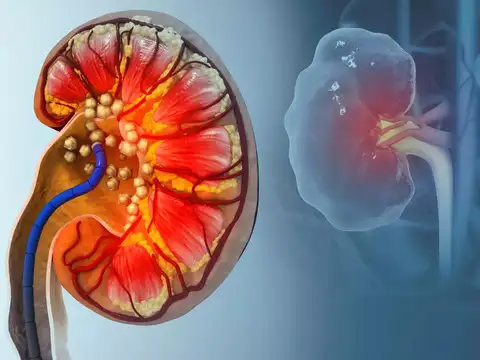
Urinary obstruction from stones or tumors
Kidney stones, enlarged prostate, or pelvic tumors can dam urine flow, causing pressure to back up into kidneys. Prolonged blockage drowns kidney tissue, triggering rapid failure. Urgent catheterization or stone removal restores function before permanent scarring sets in.
6/6
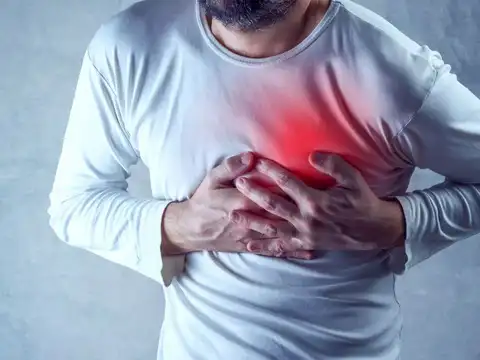
Heart failure and cardiorenal syndrome
A failing heart cannot pump enough blood forward, starving kidneys of perfusion. Meanwhile, fluid congestion raises kidney pressure from the outside. This vicious loop demands simultaneous heart and kidney management with diuretics and inotropes to break the cycle.
(Disclaimer: This story is not for professional medical advice and does not substitute any medical advice; it is strictly for educational purposes alone.)
(Disclaimer: This story is not for professional medical advice and does not substitute any medical advice; it is strictly for educational purposes alone.)