
Is beetroot juice healthy? Risks, side effects, and the safest way to drink it
1/5
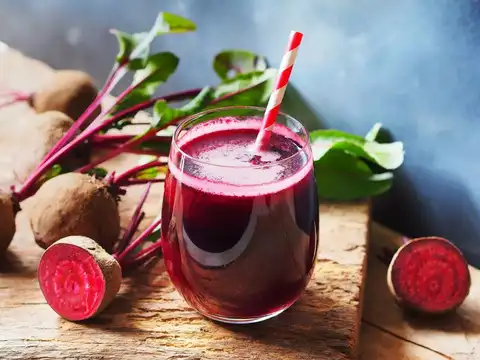
Beetroot side effects, risks and safest way to drink
Beetroot is healthy, but more is not always better. High nitrate juices and oxalates can raise risks for some people. Here is how to enjoy beetroot safely with simple kitchen tweaks and smart portions.
2/5
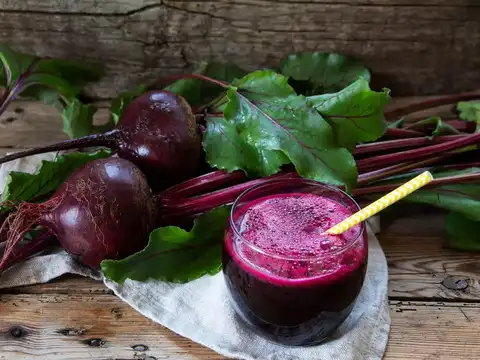
Nitrate 101 made simple
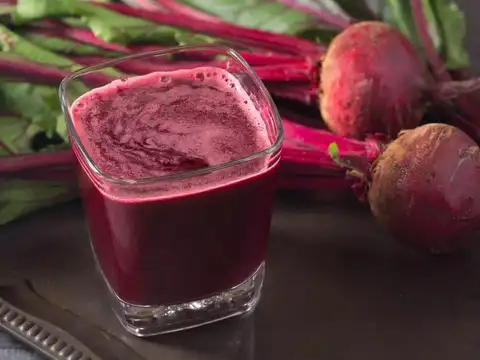
Beetroot juice is rich in nitrate that turns into nitric oxide and can lower blood pressure. A systematic review reports beetroot juice can easily push nitrate intake over acceptable limits, which may increase formation of N nitroso compounds inside the body, which are linked with potential cancer risk. Balance is key here.
3/5
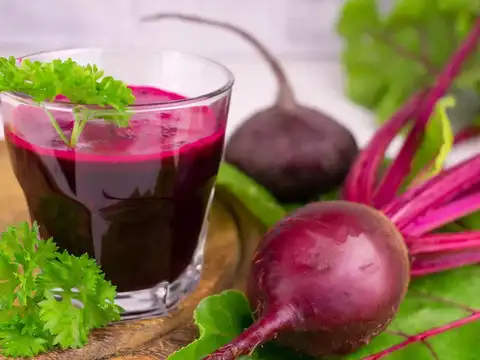
Oxalates and kidney stones
Beetroot has high oxalates. Oxalates can bind calcium and form calcium oxalate kidney stones. If you have a history of stones, avoid daily raw beetroot juice and prefer cooked, portion controlled beetroot instead. Boiling and discarding the water can reduce soluble oxalates by roughly one third to more than half. Steaming helps but less than boiling. Cooking first then adding to salads is a simple, evidence based tweak.
Amazon Top Deals
POWERED BY

4/5
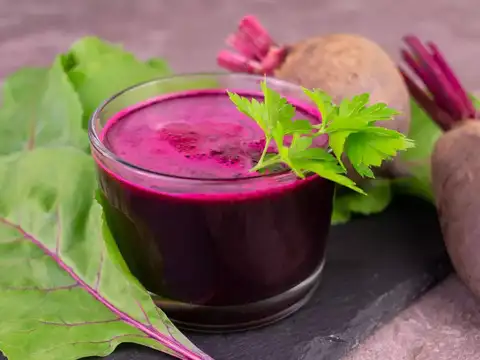
Portion and frequency
A safe everyday approach is half a cup cooked beetroot on eating days. Avoid daily tall glasses of raw beet juice, especially if prone to stones. Rotate with other vegetables to avoid stacking oxalates.
5/5
Pair with vitamin C
Beetroot contains non heme iron, which absorbs better with vitamin C. Add lemon or Indian gooseberry also called amla to salads or soups so vitamin C helps convert iron into a more absorbable form.
(Disclaimer: This story is strictly for educational purposes only and does not substitute any professional medical advice and should not be considered as professional medical advice.)
(Disclaimer: This story is strictly for educational purposes only and does not substitute any professional medical advice and should not be considered as professional medical advice.)