
India’s 6 best tiger reserves for wildlife enthusiasts
1/6
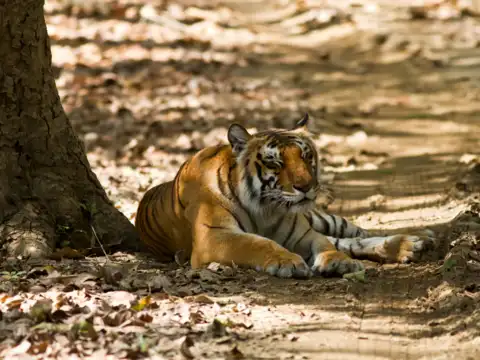
Jim Corbett Tiger Reserve, Uttarakhand
Established in 1936 as Hailey National Park, Jim Corbett is India's oldest national park and the first under Project Tiger (1973). Nestled in the foothills of the Himalayas, this reserve spans over 520 square kilometers of diverse landscapes — from dense sal forests and riverine belts to open grasslands and lakes. Corbett is renowned for its relatively high tiger density, making sightings more frequent, especially in the Dhikala and Bijrani zones. The park is also a birdwatcher's paradise with over 600 bird species, and it's home to elephants, leopards, crocodiles, and sloth bears.

2/6
Bandhavgarh Tiger Reserve, Madhya Pradesh
Bandhavgarh, located in the heart of Madhya Pradesh, is one of the most celebrated tiger reserves in India, known for its high probability of tiger sightings. Once the hunting grounds of the Maharajas of Rewa, the park now serves as a critical habitat for the Bengal tiger. Spread across 1,536 square kilometers, Bandhavgarh is also famous for its historical Bandhavgarh Fort and ancient caves carved into the cliffs. The Tala zone is especially renowned for close tiger encounters. Apart from tigers, the reserve shelters leopards, gaur (Indian bison), sambar deer, and over 250 bird species.

3/6
Ranthambore Tiger Reserve, Rajasthan
Ranthambore, located in southeastern Rajasthan, is one of India’s most iconic tiger reserves and a favored destination for both local and international tourists. The reserve covers an area of about 1,334 square kilometers and is framed by the rugged Aravalli and Vindhya hill ranges. What sets Ranthambore apart is the dramatic backdrop of the 10th-century Ranthambore Fort, ancient temples, and picturesque lakes like Padam Talao — all of which
Amazon Top Deals
POWERED BY


4/6
Sundarbans Tiger Reserve, West Bengal
A UNESCO World Heritage Site, the Sundarbans Tiger Reserve in West Bengal is the world’s largest mangrove forest and one of the most enigmatic tiger habitats on Earth. Unlike other reserves, here the tigers are known to swim across saline rivers and adapt to the tidal estuary environment. Spread over 4,200 square kilometers, the Sundarbans is crisscrossed by a complex network of tidal waterways, mudflats, and small islands, creating a surreal wilderness experience.

5/6
Kanha Tiger Reserve, Madhya Pradesh
Kanha Tiger Reserve, one of India’s most scenic and well-maintained wildlife sanctuaries, inspired Rudyard Kipling’s The Jungle Book. Spread over 940 square kilometers of core area and a larger buffer zone, Kanha boasts a rich mosaic of sal forests, meadows, and bamboo thickets. It's one of the best-managed parks in India, with a solid reputation for conservation success, including efforts to revive the endangered hard ground barasingha (swamp deer). The reserve hosts a stable and visible population of tigers, making it a favorite for serious wildlife enthusiasts and photographers.

6/6
Tadoba-Andhari Tiger Reserve, Maharashtra
Tadoba-Andhari Tiger Reserve, located in Maharashtra’s Chandrapur district, is one of the oldest and most promising tiger habitats in India. Often dubbed the “Jewel of Vidarbha,” Tadoba is known for its high frequency of tiger sightings, with regular appearances of well-known resident tigers like Maya, Choti Tara, and Matkasur. The park spans around 625 square kilometers and features a mixture of dry deciduous forest, grasslands, bamboo thickets, and water bodies like Tadoba Lake — which attracts a variety of wildlife, especially during summer.